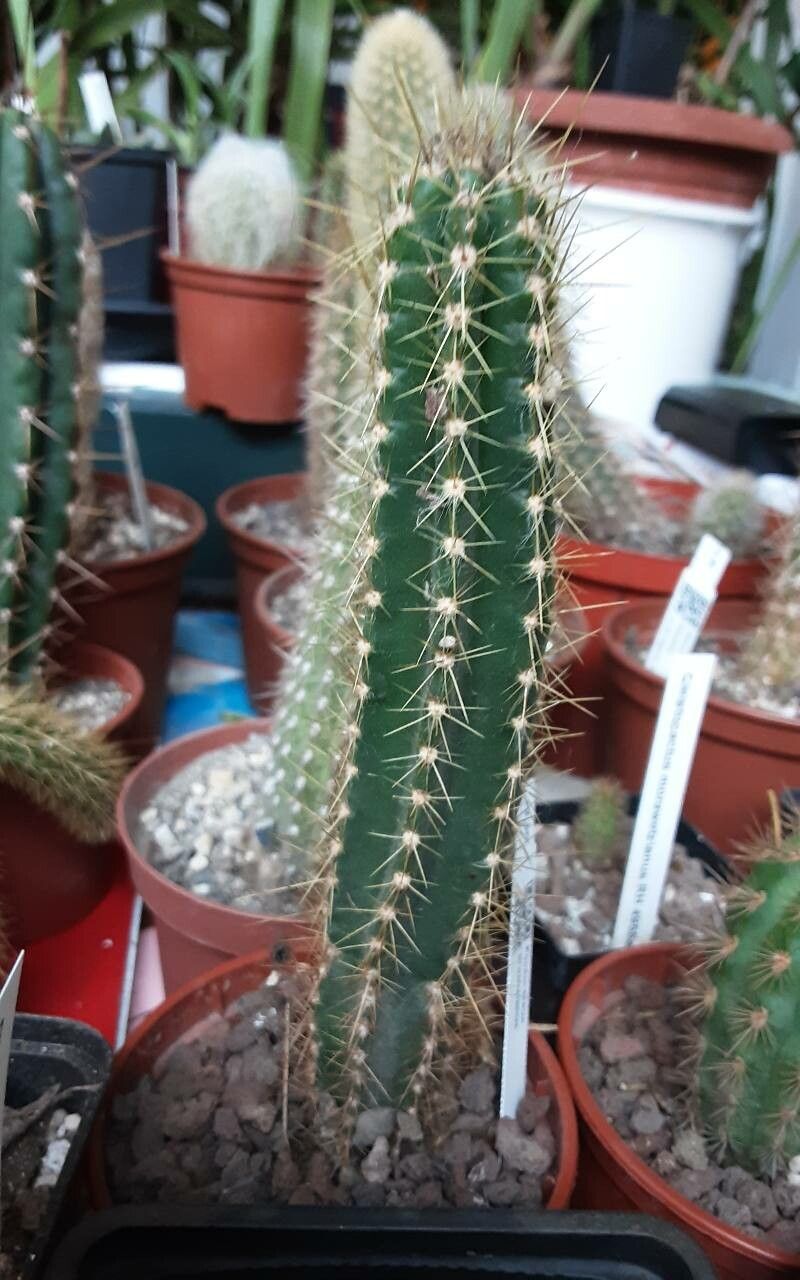
How to Propagate Pilosocereus brooksianus

Propagating Pilosocereus brooksianus: A Guide for Cactus Enthusiasts

Introduction:

Pilosocereus brooksianus, also known as the Brook’s Blue Columnar Cactus, is a captivating succulent prized for its striking blue-green stems, attractive areoles adorned with white hairs, and eventual production of beautiful flowers. Its relatively manageable size compared to other columnar cacti makes it a popular choice for gardeners, even those with limited space. Its unique appearance and hardy nature contribute to its increasing popularity; however, propagating this species presents some unique challenges. This article explores various propagation methods, highlighting both their successes and limitations.

Seed Germination:

Currently, there are no known reliable methods for seed germination propagation of Pilosocereus brooksianus. While seeds may be produced, their viability and germination rate are reportedly very low, making this method impractical for most home cultivators. Further research is needed to determine the optimal conditions for successful seed germination.

Cuttings:

Cuttings offer a more reliable method of propagating Pilosocereus brooksianus.

Challenges: The main challenge lies in preventing rot. Pilosocereus brooksianus cuttings are prone to fungal infections if not properly prepared and cared for. Slow callusing is also common.

Practical Tips: Take stem cuttings of at least 10-15cm in length from mature, healthy stems. Allow the cut end to callous over completely (at least a week to two weeks, ideally longer in humid conditions) before planting. Use a well-draining cactus potting mix and ensure the cutting is only partially buried. Water sparingly, allowing the soil to dry completely between waterings. A warm, bright location (but out of direct, intense sunlight) is crucial. Employing a fungicide spray both before and after planting can significantly improve success rates.

Rewards: Cuttings provide a faster method, with plants often rooting within a few months. This method is excellent for quickly increasing the number of plants of a desired parent specimen retaining the parent’s genetic traits.

Division:

Division is generally not a practical method for propagating Pilosocereus brooksianus. This species rarely produces offsets or pups that can be easily separated and rooted.

Tissue Culture:

Tissue culture offers potentially the most effective yet specialized method of propagation for Pilosocereus brooksianus.

Challenges: Tissue culture requires specialized equipment and aseptic techniques, making it a complex and costly method that is more accessible to laboratories and commercial propagators than home cultivators.

Practical Tips: This method necessitates a sterile laboratory environment, specialized nutrient media, and aseptic handling procedures. While extremely effective for mass propagation and disease-free clones, the necessary skills and resources make it inaccessible to most home growers.

Rewards: Tissue culture allows for the rapid production of numerous genetically identical plants, which is ideal for large-scale propagation or preserving rare cultivars. Elimination of diseases is significantly easier via tissue culture.

Conclusion:

Propagating Pilosocereus brooksianus presents unique challenges, with seed germination proving unreliable. Cuttings offer a viable alternative for home cultivators, although patience and attention to detail are crucial to prevent rot. Tissue culture represents the most effective but resource-intensive approach. The satisfaction of successfully cultivating this striking cactus, however, is greatly rewarding. The journey from a small cutting to a thriving plant makes the effort worthwhile, highlighting the dedication and knowledge needed to bring this beautiful succulent to flourish. For aspiring propagators, remember that even with cuttings, patience is key – observe your plants closely, and don’t be discouraged by initial setbacks. The vibrant reward of a healthy Pilosocereus brooksianus will be well worth the effort.

How to Propagate Pilosocereus brooksianus

Propagating the Blue Column Cactus (Pilosocereus brooksianus): A Guide for Enthusiasts

Introduction:

Pilosocereus brooksianus, commonly known as the Blue Column Cactus, is a captivating succulent prized for its striking blue-green, columnar stems and attractive areoles adorned with white hairs and bristles. Its relatively slow growth and unique appearance make it a highly sought-after plant among cactus enthusiasts. Propagating P. brooksianus, however, presents unique challenges due to its comparatively slow growth rate and specific requirements. This article explores various propagation methods to help gardeners successfully expand their collection of this beautiful cactus.

Seed Germination:

Currently, there are no known reliable methods for seed germination propagation of Pilosocereus brooksianus. While seeds might be obtained, germination rates are reportedly extremely low, even under ideal conditions. Further research into specific germination requirements is needed to establish a viable seed propagation method.

Cuttings:

Cuttings are the most commonly employed and generally successful method for propagating Pilosocereus brooksianus.

Challenges: The main challenges involve preventing rot. P. brooksianus cuttings are susceptible to fungal infections if not properly prepared and cared for. Slow callus formation is another factor impacting success.

Practical Tips: Use a sharp, clean knife or blade to take stem cuttings of at least 6-8 inches long. Allow the cuttings to callous over for 2-3 weeks in a dry, shaded area. Plant cuttings in a well-draining cactus and succulent potting mix. Avoid overwatering, allowing the soil to dry completely between waterings. A slightly humid environment can aid in root development, but avoid standing water which promotes rot. Root hormones can improve success rates.

Rewards: Cuttings offer a relatively quick way to produce genetically identical offspring, preserving desirable traits. This method is effective for expanding a collection efficiently.

Division:

Division is not a practical propagation method for Pilosocereus brooksianus. This cactus generally develops a single main stem, unlike others that readily offset or clump. Forced division would likely damage the parent plant severely.

Tissue Culture:

Tissue culture offers a potential, albeit specialized and technically demanding, method for P. brooksianus propagation.

Challenges: This technique necessitates a sterile laboratory environment, specialized media, and expertise in plant tissue culture procedures. The establishment of aseptic cultures and optimising growth conditions are technically challenging.

Practical Tips: Sterile techniques are paramount to prevent contamination. Appropriate plant growth regulators must be used to encourage shoot multiplication and root formation. Successful tissue culture requires meticulous attention to detail and proper aseptic methods.

Rewards: Tissue culture allows for large-scale propagation, producing many genetically identical plants from a small amount of source material. It also offers an opportunity to eliminate pathogens present in the source material.

Conclusion:

Propagating Pilosocereus brooksianus presents unique challenges but the rewards of successfully cultivating this striking plant are well worth the effort. While seed germination remains unreliable, cuttings offer the most practical and readily achievable method for propagation. Tissue culture presents a more advanced and technically demanding alternative suitable for large-scale applications. The slow growth rate of P. brooksianus requires patience and consistent care. However, the satisfaction of nurturing a cutting into a mature, majestic Blue Column Cactus is a deeply rewarding experience for any cactus enthusiast. Don’t be discouraged by initial setbacks—persistence and the right techniques will ultimately yield success. Remember to prioritize well-draining soil and cautious watering to minimize the risk of rot, the biggest hurdle in successfully propagating this beautiful species.