
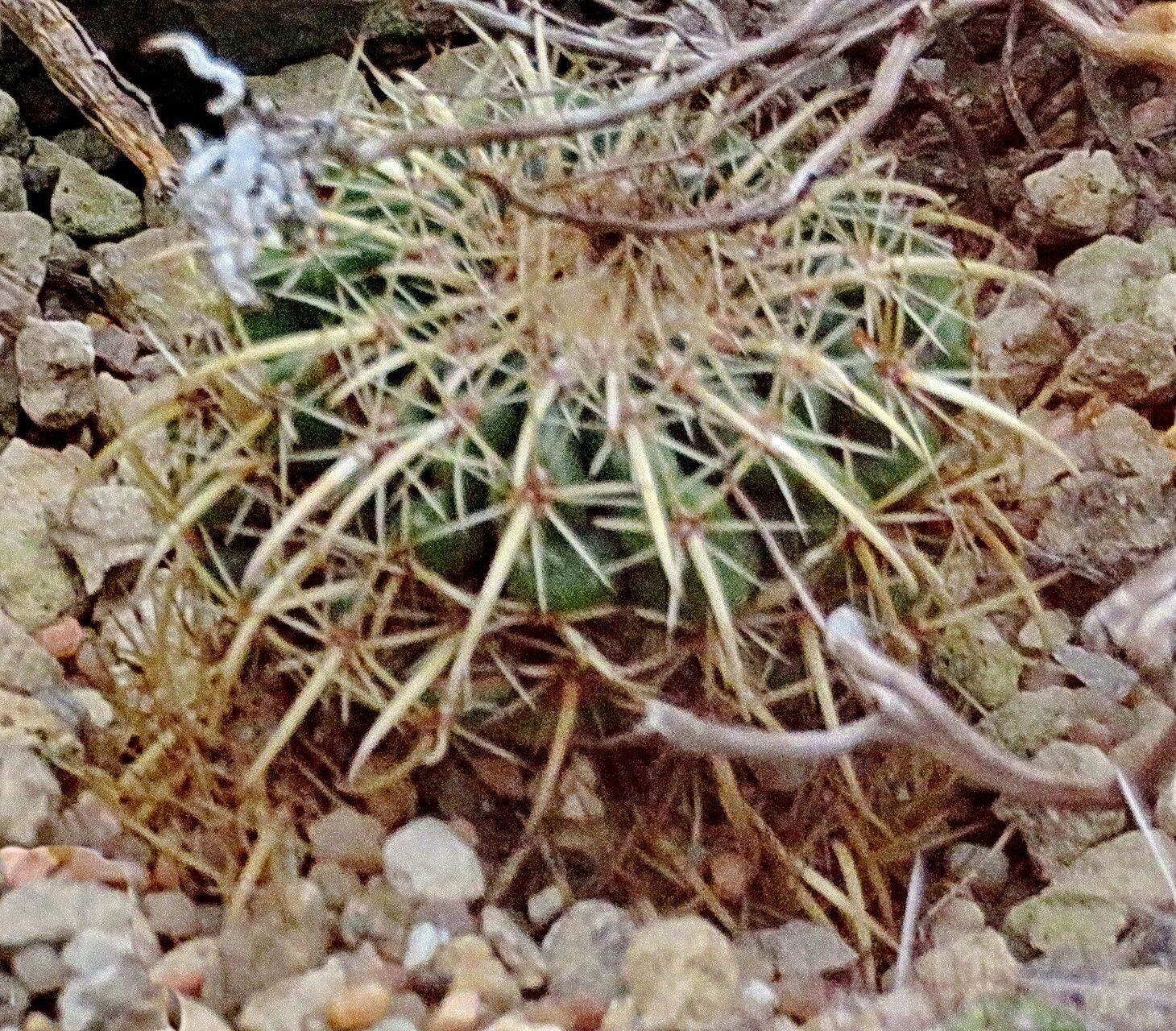
Propagating the Golden Ball Cactus (Parodia schwebsiana): A Gardener’s Guide
Introduction:
Parodia schwebsiana, commonly known as the Golden Ball Cactus, is a captivating small cactus prized for its vibrant golden spines and cheerful, bright yellow flowers. Its compact, globular shape and relatively low maintenance requirements have made it a popular choice among cactus enthusiasts and beginner gardeners alike. However, its propagation can present some challenges, making successful cultivation all the more rewarding. This article explores various propagation methods, weighing their feasibility and potential rewards.
Seed Germination:
Seed germination is a viable method for propagating Parodia schwebsiana, offering the advantage of genetic diversity. However, it requires patience and attention to detail.
Challenges: Parodia schwebsiana seeds are quite small, making handling and sowing delicate. Additionally, achieving consistent germination rates can be challenging without optimal conditions. Fungal diseases can also be a significant issue, particularly in humid environments.
Practical Tips: Sterilize the sowing medium (a well-draining mix of cactus potting soil and coarse sand) to prevent fungal growth. Sow seeds thinly in shallow trays, barely covering them with fine sand or vermiculite. Maintain consistently warm temperatures (around 21-24°C) and provide bright, indirect light. Avoid overwatering; keeping the medium moist but not soggy is crucial. Consider bottom watering to prevent damping off. Stratification (a period of cold treatment) is generally not required for this species.
Rewards: Successfully germinated Parodia schwebsiana seeds offer the chance to cultivate numerous genetically diverse plants, potentially exhibiting slight variations in spine color or growth habit. This method is suitable for large-scale propagation, providing numerous specimens for personal enjoyment or distribution.
Cuttings:
Currently, there are no known reliable methods for propagation of Parodia schwebsiana via cuttings. These cacti don’t readily form roots from stem or pad cuttings.
Division:
Division is a simple method for propagating Parodia schwebsiana, particularly if the mother plant has produced offsets (small plants growing at its base).
Challenges: Successfully dividing a mature plant requires careful handling to avoid damaging the delicate root systems of both the parent and the offshoots. Newly divided plants may be initially sensitive to changes in environment and require careful care to establish new roots.
Practical Tips: Wait until the plant is actively growing, preferably in spring or early summer. Carefully remove offsets from the base of the parent plant using a sharp, clean knife or shears. Allow the cut surfaces to callous over for a few days before planting in well-draining cactus potting mix. Keep the divided plants in a warm, bright but shaded location until they establish new roots. Water sparingly until new growth appears.
Rewards: Division is a relatively quick and simple method producing healthy, established offspring that mirror the parent plant’s characteristics.
Tissue Culture:
Tissue culture propagation of Parodia schwebsiana is possible but requires specialized laboratory equipment and expertise.
Challenges: Tissue culture is a complex technique demanding specialized knowledge, sterile conditions, and sophisticated equipment. It is not a practical method for the casual home gardener.
Practical Tips: This method requires a controlled environment with nutrient solutions tailored to the specific needs of Parodia schwebsiana. Sterile techniques are absolutely critical to prevent contamination.
Rewards: Tissue culture offers the potential for very rapid and large-scale propagation of genetically identical plants, creating a significant number of uniform clones.
Conclusion:
Propagating Parodia schwebsiana presents unique challenges depending on the chosen method. Seed germination offers genetic diversity but requires patience and attention to detail, while division is a simpler option for plants producing offsets. Cuttings and tissue culture are presently impractical for most hobbyists. However, the joy of successfully nurturing a tiny seed into a flourishing Golden Ball Cactus, or carefully dividing a mature plant to create new life, is a deeply satisfying experience. The effort invested is handsomely rewarded by the beautiful, resilient plants that result, making the propagation of this charming cactus a truly worthwhile endeavor for passionate gardeners. So, choose your approach, be patient, and enjoy the journey!