Propagating Helichrysum roseoniveum: A Gardener’s Guide
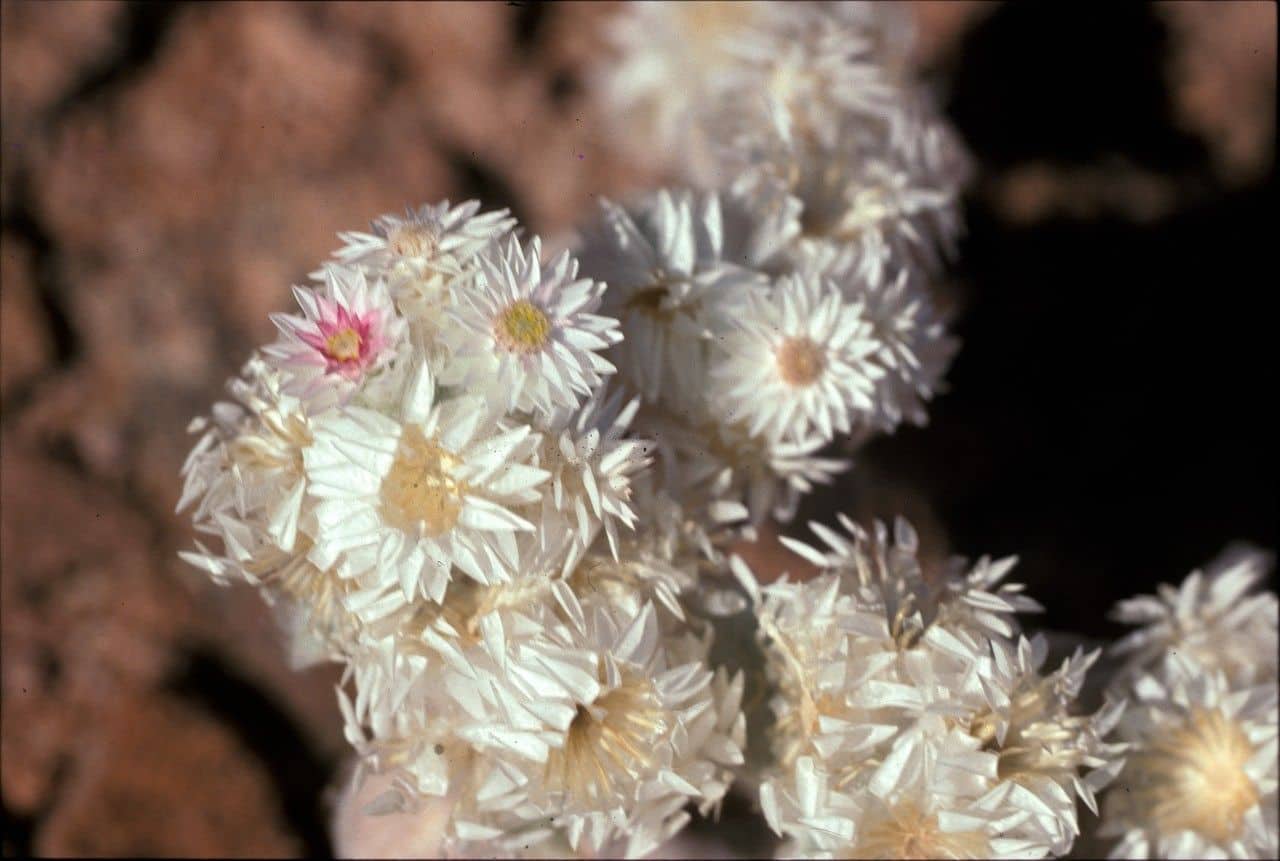
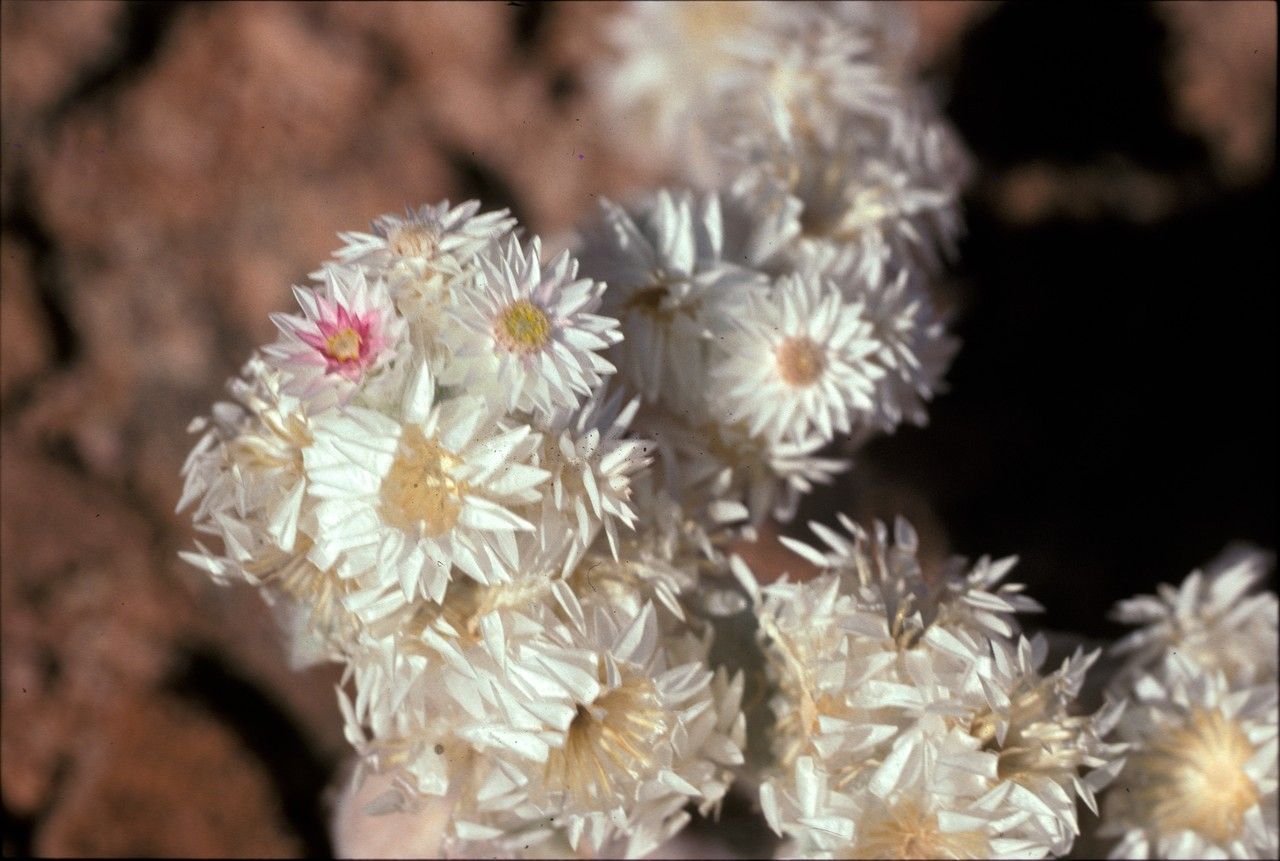
Helichrysum roseoniveum, also known as the Pinkhead Everlasting or Rosy Helichrysum, is a captivating evergreen shrub prized for its profuse clusters of delicate, rosy-pink flowers. Its silvery, woolly foliage adds textural interest to gardens, making it a popular choice among plant enthusiasts. The relatively compact growth habit and long flowering period further enhance its horticultural appeal. However, propagating this beauty presents some unique challenges, making successful propagation a rewarding experience.
Seed Germination:
Currently, there are no known reliable methods for seed germination propagation of Helichrysum roseoniveum. While the plant does produce seeds, their germination rate is notoriously low, and successful germination under typical horticultural conditions remains elusive. This is likely due to factors such as the seed coat’s dormancy mechanisms or the plant’s specific environmental requirements for germination that haven’t yet been fully understood. Further research into seed germination techniques is needed.
Cuttings:
Cuttings represent a more viable propagation method for Helichrysum roseoniveum.
Challenges: Rooting can be slow and inconsistent, particularly if cuttings aren’t taken at the optimal time or if environmental conditions aren’t ideal. The woolly foliage may also hinder rooting hormone uptake.
Tips: Take semi-hardwood cuttings in late spring or early summer. Use a sharp, clean knife to prevent damage. Remove lower leaves to prevent rot. Dip cuttings in rooting hormone before planting in a well-draining medium (e.g., a mix of perlite and vermiculite) kept consistently moist but not waterlogged. Provide bottom heat and humidity (e.g., using a propagation dome) to promote rooting. Success rates can be increased through the use of mist propagation systems.
Rewards: Cuttings offer a relatively quick method to produce genetically identical plants, preserving desirable traits of a mother plant. It is also a readily accessible technique for most gardeners.
Division:
Division, while feasible for established plants, is not an ideal method for large-scale propagation.
Challenges: Helichrysum roseoniveum doesn’t readily form extensive root systems suitable for easy division. Division may damage the plant, especially if done incorrectly.
Tips: Division should be carried out in spring or autumn when the plant is actively growing. Carefully divide the root ball, ensuring each section has healthy roots and shoots. Replant the divisions promptly and water gently to minimize stress.
Rewards: Division provides a simple way to increase the number of plants from mature specimens.
Tissue Culture:
Tissue culture presents a potentially high-yield method for propagation, though it requires specialized equipment and expertise.
Challenges: Establishing a sterile environment and maintaining asepsis is crucial, requiring specialized laboratory conditions and techniques. The optimization of culture media and growth regulators to achieve rapid and consistent multiplication is a critical aspect of success.
Tips: Professionals with experience in plant tissue culture will use specific media formulations and plant growth regulators to induce shoot multiplication. This method is suitable for large-scale propagation and can quickly yield a large number of genetically uniform plants.
Rewards: Tissue culture overcomes the limitations of other methods by allowing rapid, mass multiplication of plants from a small explant. This allows quicker scaling and reduces the risk of disease transmission.
Conclusion:
Propagating Helichrysum roseoniveum presents unique challenges across all common methods. While seed propagation is currently unreliable, cuttings offer a practical approach for home gardeners. Division provides a simpler increase in plant numbers, suitable for small-scale use. Tissue culture remains a highly specialized and potentially valuable approach for large-scale production. The satisfaction of cultivating this beautiful plant, especially after overcoming the propagation hurdles, is immense. Don’t be discouraged by initial setbacks; experiment with the most accessible method (cuttings) and celebrate every success along the way. Persistence and careful attention to detail are key to cultivating this stunning addition to any garden.