Propagating Zanthoxylum pancheri: A Gardener’s Challenge
Introduction:
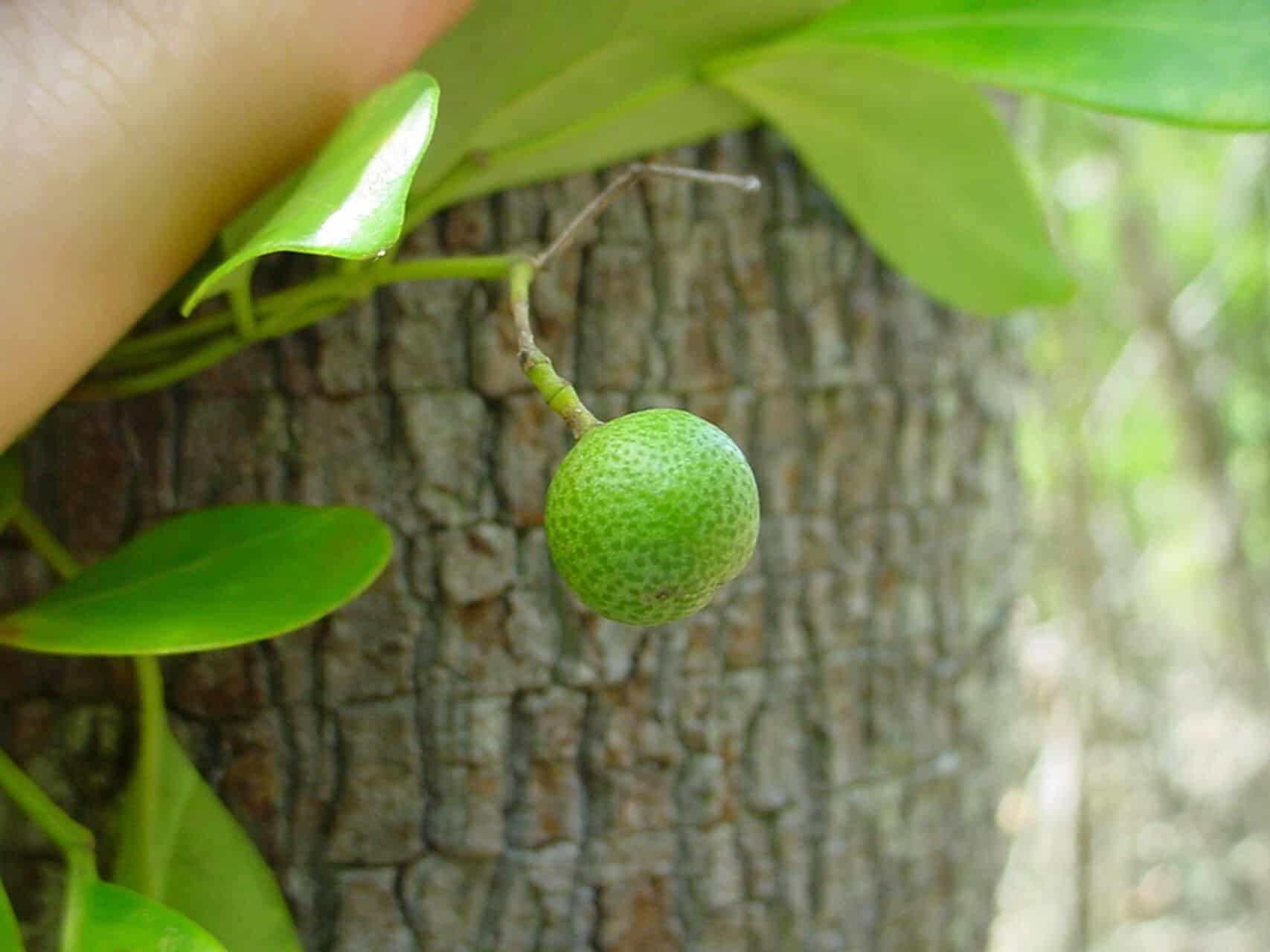
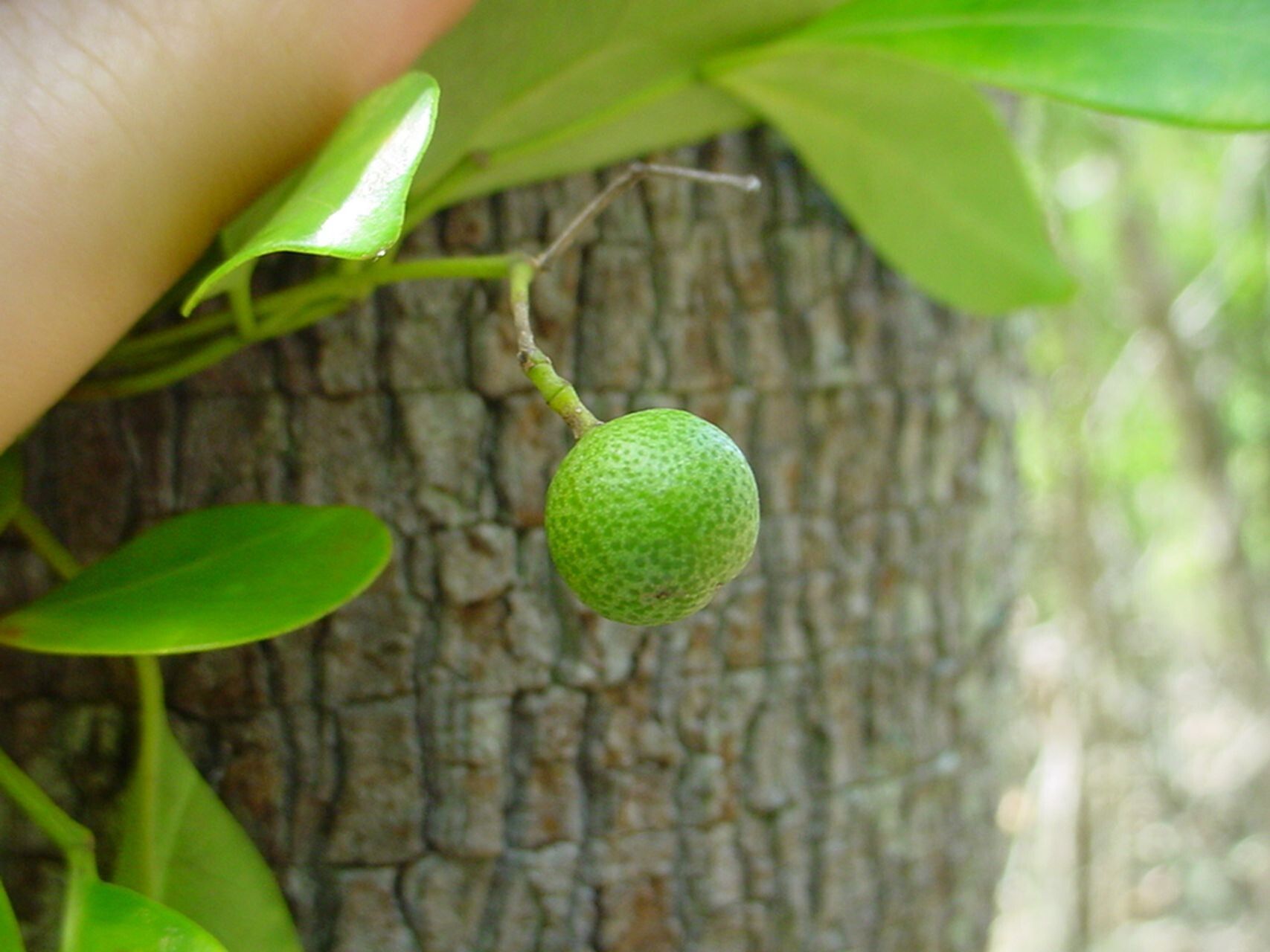
Zanthoxylum pancheri, commonly known as the New Caledonian prickly ash or simply prickly ash, is a captivating species prized for its elegant foliage, fragrant flowers, and the alluring, aromatic qualities of its bark and berries. Its unique beauty and potential uses (though research remains limited) make it an enticing addition to specialized gardens and collections. However, propagating this intriguing plant presents several challenges, which contribute to its relative rarity in cultivation. This article will explore the various propagation methods, weighing their successes and failures.
Seed Germination:
Currently, there are no known reliable methods for seed germination propagation of Zanthoxylum pancheri. While seeds may be produced, their dormancy mechanisms appear robust, and successful germination rates in controlled environments remain elusive. Further research is needed to identify any specific pre-treatment requirements, such as stratification periods or scarification techniques that might improve germination success.
Cuttings:
Cuttings offer a more promising avenue for propagation. However, success is far from guaranteed.
- Challenges: Zanthoxylum pancheri cuttings are notoriously slow to root. The success rate is heavily dependent on the timing (ideally semi-hardwood cuttings taken in late summer/early autumn), the use of rooting hormone, and maintenance of consistently high humidity and warmth. Furthermore, fungal diseases can easily attack the cuttings, jeopardizing success.
- Practical Tips: Propagators should use a sharp knife or a sterile pair of scissors to create cuttings around 10-15cm long, ideally taken from non-flowering, healthy stems. The lower leaves should be removed to prevent rotting, and the cut ends dipped in a rooting hormone powder before planting in a well-draining substrate, such as a mix of perlite and vermiculite. High humidity can be maintained by covering the cuttings with a clear plastic dome or bag. Bottom heat can significantly enhance rooting.
- Rewards: Success with cuttings offers the advantage of cloning the parent plant’s desirable traits. It is a relatively faster method, compared to slower methods like seed propagation, even with the reduced success rate.
Division:
Division of established plants is a possible method, but limited primarily by the availability of mature specimens.
- Challenges: Zanthoxylum pancheri often develops a deep taproot, making division difficult and potentially damaging to the parent plant. Successfully dividing the plant and ensuring the survival of each division requires careful handling and proper re-planting technique.
- Practical Tips: If dividing, try to ensure each section retains a healthy root system and a significant portion of the stem. Plant in a well-draining soil mix.
- Rewards: If successful, division provides a rapid increase in the number of plants, identical to the mother plant. However, this method is not widely applicable due to the availability of mature plants.
Tissue Culture:
Tissue culture offers the potential for large-scale propagation, circumventing many of the limitations of other methods.
- Challenges: Establishing a robust tissue culture protocol for Zanthoxylum pancheri requires significant expertise and resources. There are no established protocols readily available. Finding the right media, growth regulators, and sterilizing techniques to prevent contamination is crucial. The high cost and specialized equipment associated with tissue culture can present a barrier to many propagators.
- Practical Tips: Research into suitable media components and hormones is essential before initiating tissue culture. Sterility must be meticulously maintained at all stages.
- Rewards: Successful establishment of tissue culture procedures enables the rapid and consistent production of large numbers of genetically identical plants.
Conclusion:
Propagating Zanthoxylum pancheri presents a substantial horticultural challenge. While seed propagation currently remains unreliable, cuttings offer a more viable option, although slow growth and susceptibility to fungal diseases represent significant hurdles. Division is limited by plant availability, and tissue culture is a sophisticated and resource-intensive approach requiring expertise. The rewards of successfully cultivating this unique plant, however, are considerable. The unique satisfaction lies not only in the beauty of the mature plant but also the triumph over the considerable challenges involved in its propagation. Aspiring propagators should approach this task with patience, meticulous attention to detail, and a willingness to experiment to find what works best in their specific climate and conditions. The journey itself, with its learning curve and eventual success, is ultimately deeply rewarding.