
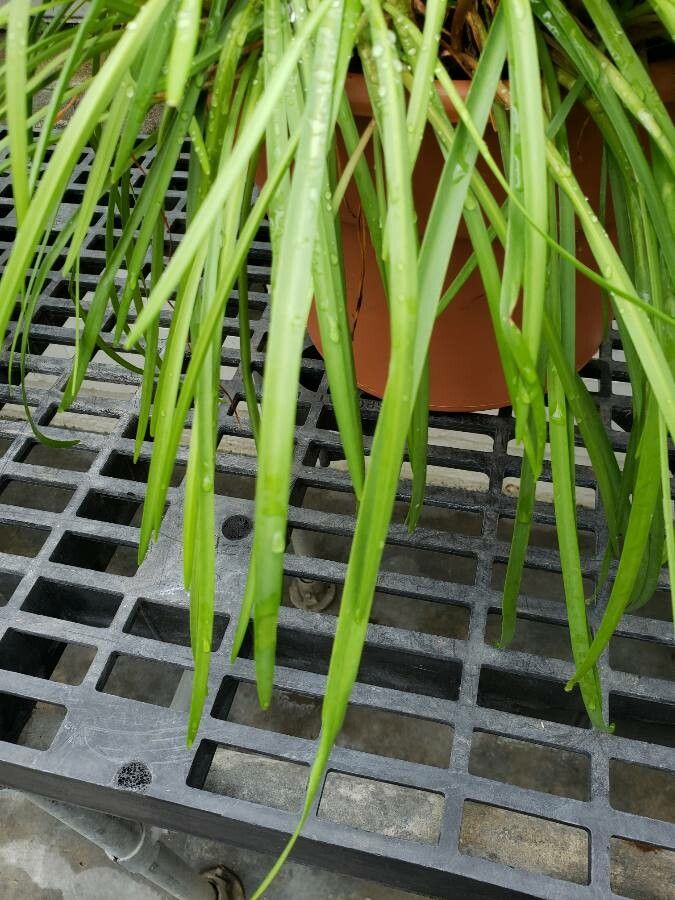
Propagating the Pale Yellow Cyrtandra: A Gardener’s Guide to Cyrtandra ochroleuca
Introduction:
Cyrtandra ochroleuca, often called the Pale Yellow Cyrtandra (though common names vary regionally), is a captivating member of the Gesneriaceae family, prized for its delicate, pale yellow flowers and attractive foliage. While not as widely cultivated as some other Gesneriads, its unique beauty has garnered a growing following among plant enthusiasts. Its propagation, however, presents certain challenges, making successful cultivation particularly rewarding. This guide explores various methods to propagate Cyrtandra ochroleuca, weighing their pros and cons.
Seed Germination:
Currently, there are no known reliable methods for seed germination propagation of Cyrtandra ochroleuca. Limited research is available on the germination requirements of this species. Further investigation into seed viability, dormancy mechanisms, and optimal germination conditions is needed.
Cuttings:
1. Viability: Stem cuttings offer a potentially viable method for propagating Cyrtandra ochroleuca.
2. Practical Tips: Semi-hardwood cuttings taken in late spring or early summer show the best results. Cuttings should be approximately 4-6 inches long, taken just below a node. Remove lower leaves to prevent rotting and dip the cut end in a rooting hormone powder before planting. Plant cuttings in a well-draining mix of perlite and peat moss, keeping the humidity high using a propagation dome or plastic bag. Maintain consistently moist (but not waterlogged) conditions and provide bright, indirect light. Rooting may take several weeks to several months.
3. Rewards & Challenges: The primary reward of cuttings is a relatively straightforward method resulting in genetically identical offspring, preserving desirable traits. However, the success rate can be variable, depending on environmental conditions and the age and health of the parent plant. Rotting due to excess moisture is a common challenge.
Division:
1. Viability: Division is another possible propagation method, particularly for mature plants with established root systems.
2. Practical Tips: Division is most successful when performed during the spring or early summer, just as new growth begins. Carefully remove the plant from its pot, gently loosen the roots, and divide the root ball into smaller sections, ensuring each division has a sufficient number of healthy roots and shoots. Replant each division in a well-draining potting mix and water thoroughly.
3. Rewards & Challenges: Division is a relatively simple and quick method, offering a faster way to increase the number of plants compared to cuttings. The main challenge lies in gently handling the roots to avoid damaging them during the separation process. This method is less likely to be successful with younger plants that haven’t developed extensive root systems.
Tissue Culture:
1. Viability: Tissue culture offers the potential for large-scale propagation and the production of disease-free plants. However, it requires specialized equipment, a sterile environment, and specific knowledge of plant tissue culture techniques.
2. Practical Tips: While this method is potentially viable, establishing a reliable tissue culture protocol for Cyrtandra ochroleuca would require experimentation to determine the optimal media, hormones, and growth conditions.
3. Rewards & Challenges: The main benefit is the potential for rapid and large-scale propagation, yielding many plants from a small amount of starting material. The significant challenges include the high initial investment in equipment and specialized knowledge, along with the potential for contamination.
Conclusion:
Propagating Cyrtandra ochroleuca presents a unique set of challenges, with cuttings and division offering the most accessible methods for the home gardener. While seed propagation remains unproven, and tissue culture requires specialized expertise, the rewards of successfully cultivating this beautiful plant outweigh the difficulties. The satisfaction of nurturing a cutting from a small stem into a thriving plant, or coaxing a division into a new life, offers a special connection with the natural world. Patience, attention to detail, and a willingness to experiment are key to success. Don’t be discouraged by setbacks – the journey of propagating this unique species makes the final result even more fulfilling.