
Propagating Canna glauca: A Guide to Cultivating the Pale-Flowered Canna
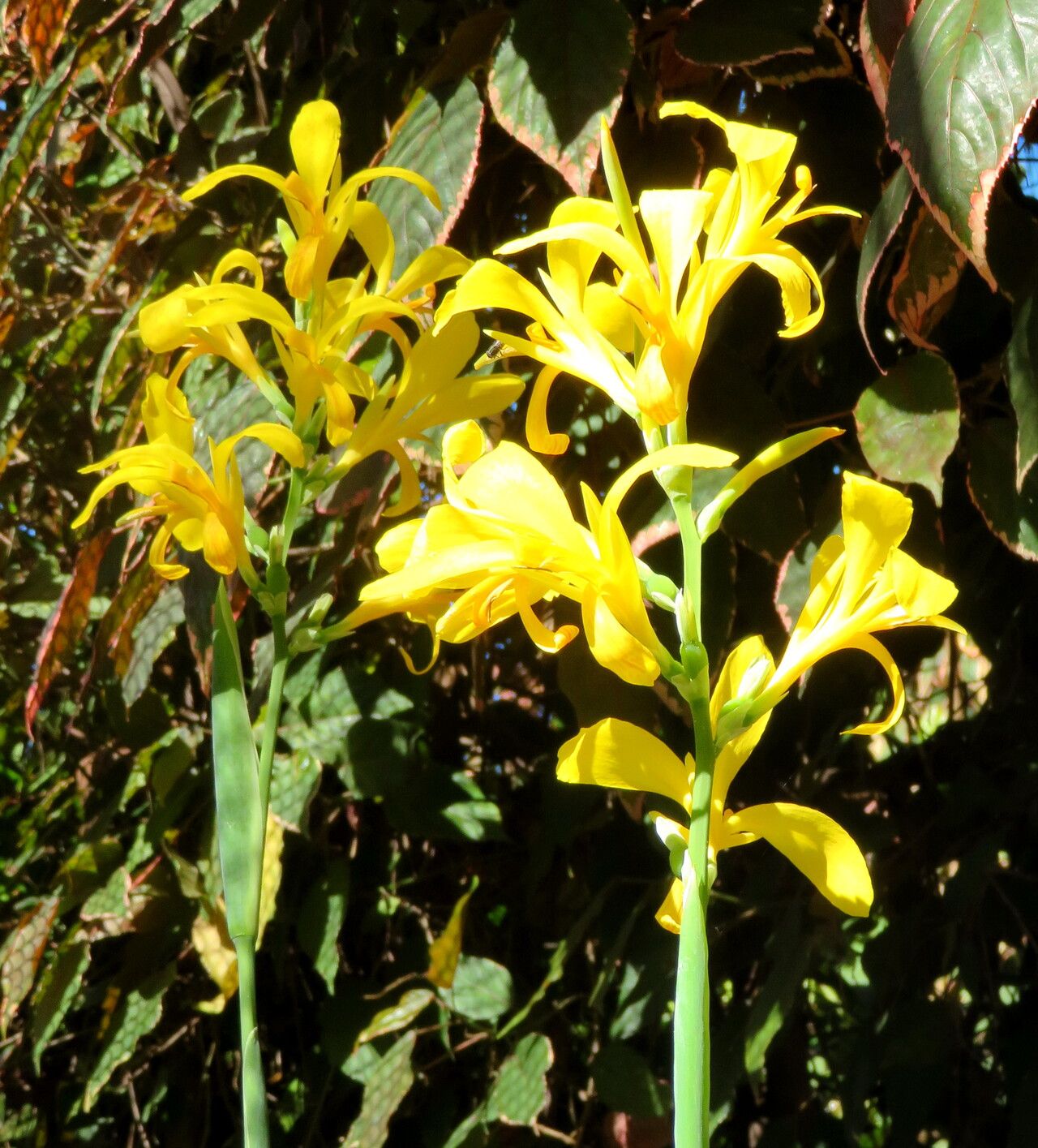
Canna glauca, commonly known as the flag canna or pale canna lily, is a striking perennial boasting vibrant green foliage and delicate, pale yellow-green flowers. Its tolerance to various soil conditions, including wet areas, and its relatively low maintenance requirements have earned it a significant place in gardens worldwide, particularly those with a more naturalistic or wetland-inspired design. Its ease of propagation, achieved through several methods, further contributes to its popularity among gardeners of all levels, though some methods prove more rewarding than others.
Seed Germination:
Currently, there are no known reliable methods for seed germination propagation of Canna glauca. While the plant does produce seeds, their germination rate is notoriously low and inconsistent, making this method impractical for most gardeners. Successful germination, if ever achieved, is often unpredictable and depends heavily on highly specific environmental conditions that are difficult to replicate consistently.
Cuttings:
Propagating Canna glauca via cuttings presents a relatively straightforward method, offering a high success rate.
- Challenges: The main challenge lies in selecting healthy, vigorous stems. Overly soft or diseased cuttings are less likely to root.
- Practical Tips: Take stem cuttings of approximately 6-8 inches in length, ensuring each cutting includes at least two nodes. Remove the lower leaves to prevent rotting. Dip the cut end in a rooting hormone to stimulate root development. Plant the cuttings in a well-draining potting mix, keeping them moist but not waterlogged. High humidity is beneficial, achieved by covering the cuttings with a clear plastic bag or using a propagation dome.
- Rewards: Cuttings offer a relatively quick method of propagation, producing new plants quickly. The resulting plants are genetically identical to the parent plant, preserving desirable traits.
Division:
Division is arguably the most common and successful method for propagating Canna glauca.
- Challenges: The main challenge is to carefully divide the rhizome without damaging the individual growth points, which are crucial for establishing new plants. Overly vigorous division can result in weakened plants.
- Practical Tips: The best time for division is in spring or early autumn. Gently dig up the mature rhizome, carefully separating it into sections. Each section should contain at least one or two strong growth points (eyes). Plant the divisions immediately in prepared soil, ensuring the growth points are facing upwards.
- Rewards: Division is a simple, efficient method that provides a high success rate and relatively fast establishment of new plants. It’s a particularly effective method for increased propagation.
Tissue Culture:
Tissue culture is a sophisticated method, rarely employed by home gardeners for Canna glauca propagation.
- Challenges: Tissue culture requires specialized equipment, sterile conditions, and a detailed understanding of plant tissue culture techniques. It demands significantly more investment than other methods.
- Practical Tips: This method is generally undertaken in laboratories. Sterile techniques are paramount, using specific growth media and controlled environments for successful proliferation.
- Rewards: Tissue culture allows for rapid multiplication of genetically identical plants, offering large-scale propagation potential for commercial applications or conservation purposes.
Conclusion:
While several methods exist for propagating Canna glauca, division emerges as the most efficient and reliable choice for the home gardener. While cuttings offer viable alternatives, seed propagation is practically infeasible. Tissue culture, while providing the maximum propagation efficiency, is intensely specialized and not suitable for hobbyists. The inherent challenges in propagation, particularly in maintaining moisture levels and preventing rot during early growth phases, only add to the satisfaction of witnessing a successfully propagated Canna glauca thriving in your garden. The patience and care required are richly rewarded by the vibrant beauty and resilience of this remarkable plant. To aspiring propagators: start with division, learn to master the art of cutting propagation, and enjoy the journey of nurturing life from a small rhizome or cutting.