
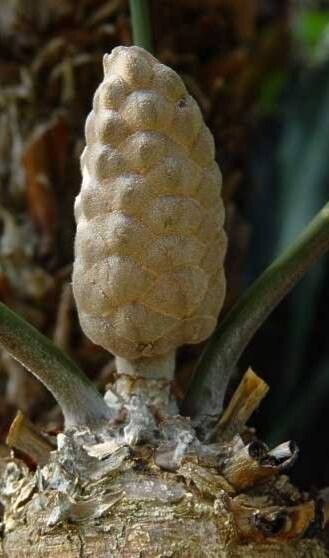
Unveiling the Secrets of Stangeria eriopus Propagation: A Journey Beyond Seeds
The Stangeria eriopus, with its prehistoric charm and unique features, stands out even amongst the most fascinating cycads. Often mistaken for a fern due to its graceful, feathery fronds, this South African native can be a captivating addition to any plant enthusiast’s collection. While notoriously slow-growing, the real allure for many lies in mastering its propagation. Forget the quick gratification of common houseplants; propagating Stangeria eriopus is a journey of patience, observation, and a touch of botanical magic.
The Seed Route: A Test of Time
The most common propagation method involves seeds, resembling large, fleshy pine nuts. However, patience is paramount. Fresh seeds offer the highest germination rates, but finding them can be tricky. Germination itself is a waiting game, often taking anywhere from a few months to a year!
If you do manage to get your hands on some viable seeds, plant them in a well-draining mix, keeping them consistently moist and warm. Watch as they slowly awaken, sending forth a single, vulnerable leaf that will eventually mature into the signature frond.
Unveiling the Mystery: The Art of Sucker Division
For the more adventurous cultivator, the Stangeria eriopus offers a fascinating alternative: propagation through suckers. These offshoots, emerging from the base of mature plants, present a unique opportunity to clone your cycad.
Timing is key. The best time for sucker division is during the active growing season, ideally in spring or early summer. Carefully expose the base of the plant, searching for healthy suckers with a developed root system. Using a sterile, sharp knife, detach the sucker, ensuring minimal damage to the parent plant.
Nurturing New Beginnings
Pot the separated sucker in a well-draining medium, burying the base just below the surface. Maintain moderate moisture and provide bright, indirect light. Patience is your ally, as the sucker adapts and establishes itself.
Beyond the Basics: Tips for Success
- Well-draining soil: Stangeria eriopus despise soggy roots. A mix formulated for cacti or succulents works well.
- Bright, indirect light: Think dappled sunlight or a well-lit spot out of direct rays.
- Water wisely: Allow the soil to dry slightly between waterings, avoiding overwatering, especially during the dormant winter months.
- Fertilize sparingly: A diluted, balanced fertilizer applied during the growing season can provide a gentle boost.
Propagating Stangeria eriopus is a rewarding endeavor, offering a deeper connection to the plant’s unique life cycle. It’s a testament to the patience and dedication of the cultivator, yielding stunning results for those willing to embark on the journey. Whether you choose the seed route or delve into the fascinating world of sucker division, remember that success lies in understanding this ancient cycad’s needs and embracing the slow, rewarding process of its propagation.