
Propagating Pandanus montanus: A Guide for the Determined Gardener
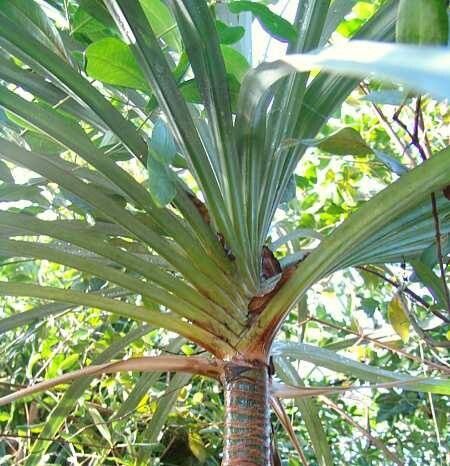
Pandanus montanus, while lacking a widely used common name, is a captivating species within the Pandanus genus. This mountain pandanus is prized for its striking architectural form, often featuring spiny-edged leaves arranged in a spiral, and its overall robust, tropical appearance. Its unique character makes it a highly sought-after addition to specialty gardens and collections, although its propagation presents particular challenges. Its relative rarity in cultivation further fuels the interest in successful propagation techniques.
Seed Germination:
Currently, there are no known reliable methods for seed germination propagation of Pandanus montanus. While some Pandanus species readily propagate from seed, information on the viability and germination requirements specifically for Pandanus montanus is scarce in readily accessible horticultural literature. Further research into its seed biology would be necessary to determine if germination is even feasible under cultivated conditions.
Cuttings:
This appears to be the most promising method for propagating Pandanus montanus. However, success depends on precise technique and diligent care.
Challenges: Cuttings can be slow to root and prone to fungal infection, leading to significant losses. The thick, sometimes woody nature of the stems can hinder the development of roots.
Practical Tips: Use semi-hardwood cuttings taken from actively growing stems, ideally between late spring and early summer. Remove lower leaves to prevent rotting. Treat the cut ends with a rooting hormone powder to stimulate root development. Plant cuttings in a well-draining, sterile medium such as a perlite and peat moss mix. Maintain high humidity using a humidity dome or plastic bag to increase the chances of success. Consistent bottom heat can also aid rooting.
Rewards: Successful propagation from cuttings offers a reliable means to increase the number of plants while maintaining the characteristics of the parent plant.
Division:
Division of established Pandanus montanus plants is another possibility, potentially more successful than cutting propagation for mature plants.
Challenges: This method is only applicable to large, mature specimens and carries the risk of damage to the parent plant and potential failure in rooting daughter plants. Careful separation is crucial to avoid injuring the root systems of both parent and offspring.
Practical Tips: Carefully divide the root ball, ensuring each section retains a significant portion of roots and stems. Utilize sharp, clean tools to minimize damage to the plant. Plant the separated sections in well-draining soil, keeping them moist until they establish themselves.
Rewards: Division provides a faster approach to propagation than cuttings, allowing for the relatively quick increase of mature specimens.
Tissue Culture:
Tissue culture offers theoretically the most potential for large-scale propagation, providing a controlled environment to overcome challenges associated with conventional methods.
Challenges: Establishing suitable protocols for Pandanus montanus tissue culture requires specialized knowledge, equipment and resources. Success necessitates rigorous sterilization procedures and meticulous attention to nutrient formulations and environmental controls. There’s limited publicly available research on this plant’s tissue culture requirements.
Practical Tips: This is an advanced technique best undertaken by professionals with expertise in plant tissue culture. Collaboration with a plant tissue culture laboratory would be essential.
Rewards: Large numbers of genetically identical plants can be created quickly and efficiently, making tissue culture an ideal route for commercial propagation or conservation efforts if successful.
Conclusion:
Propagating Pandanus montanus is undoubtedly challenging, demanding patience and attention to detail. While seed germination is currently unproven, cuttings and division offer more readily accessible routes to increasing the number of plants, though success rates may be variable. Tissue culture remains a possibility, though requiring advanced skills and resources. The rewards, however, are substantial: the cultivation of this striking plant carries a deep satisfaction, a tangible testament to persistence and the joy of cultivating a rare and special specimen. The unique beauty of Pandanus montanus, in all its spiny glory, makes the challenges worth facing for any determined gardener. Start with cuttings, experiment meticulously, and celebrate each small success along the way.