
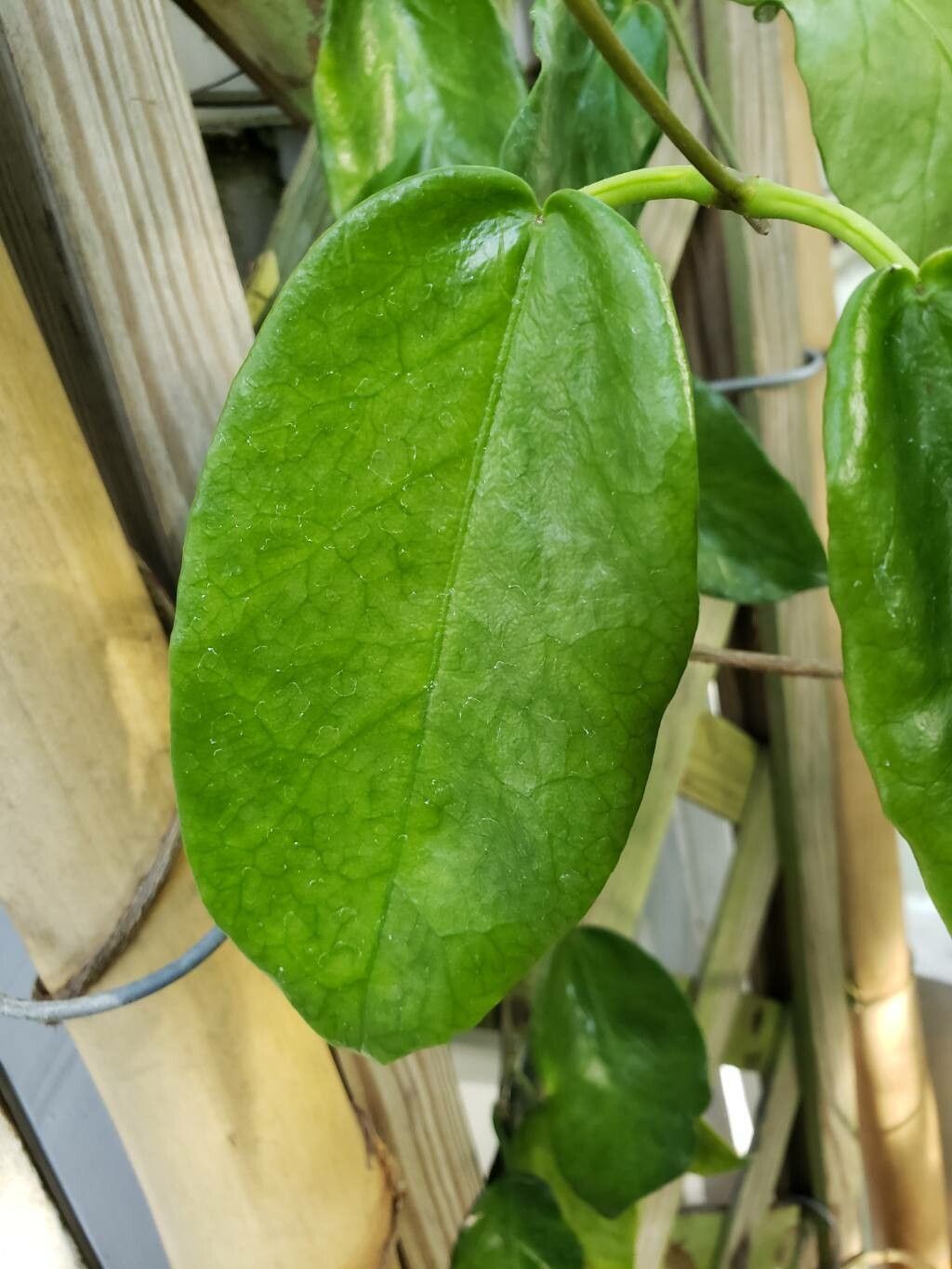
Propagating Hoya macgillivrayi: A Gardener’s Guide
Introduction:
Hoya macgillivrayi, sometimes called the "MacGillivray’s Hoya," is a captivating vining hoya species prized for its attractive, glossy foliage and clusters of fragrant, star-shaped flowers. Its relatively compact growth habit compared to some other Hoyas, along with its delightful blooms, makes it a popular choice among plant enthusiasts. However, propagation can present some unique challenges. Unlike some readily propagated hoyas, Hoya macgillivrayi requires a more nuanced approach. This article explores the various methods available, highlighting their successes and difficulties.
Seed Germination:
Currently, there are no known reliable methods for seed germination propagation of Hoya macgillivrayi. While Hoyas produce seeds, obtaining viable seeds from H. macgillivrayi is extremely difficult, and successful germination rates are practically nonexistent in home settings. The pollination requirements are often complex and rarely met in cultivation.
Cuttings:
This is the most commonly used and generally reliable method for propagating Hoya macgillivrayi.
Challenges: Root development can be slow and inconsistent. The success rate depends heavily on environmental factors like humidity and temperature. Overwatering is a major risk, leading to rot.
Practical Tips: Use semi-hardwood cuttings (partially mature stems) approximately 4-6 inches long, with at least two nodes. Remove lower leaves to prevent rot. Dip the cut ends in rooting hormone. Plant cuttings in a well-draining propagation mix (e.g., perlite and peat moss mix). Maintain high humidity (using a humidity dome or plastic bag) and warm temperatures (around 75-80°F). Avoid direct sunlight. Mist regularly to keep the mix moist but not soggy. Rooting typically takes several weeks to months.
Rewards: Cuttings offer a relatively straightforward method to increase the number of plants, preserving the genetic characteristics of the mother plant.
Division:
Propagating Hoya macgillivrayi through division is possible, but less frequently employed than cuttings.
Challenges: Mature plants often lack the extensive root system necessary for successful division. Dividing the rootball improperly can damage the plant, significantly impairing its ability to survive. Each division requires enough established roots and stems to ensure successful restarting.
Practical Tips: Divide the plant only when it’s large and healthy, ideally during the active growing season. Ensure each division has a good portion of roots and several healthy stems. Repot each division in a well-draining potting mix. Water gently and provide ample humidity. Monitor closely for signs of stress.
Rewards: Division provides the fastest way to propagate several plants from an already established one; minimizing the time required for rooting propagules.
Tissue Culture:
Tissue culture propagation could potentially offer a viable path for large-scale multiplication of Hoya macgillivrayi.
Challenges: Tissue culture requires specialized equipment, sterile conditions, and a good understanding of plant tissue culture techniques, making it generally inaccessible to the home hobbyist. Establishing aseptic techniques is critical. There’s also a risk of introducing contamination and losing the plant material during the process.
Practical Tips: This method necessitates a controlled laboratory environment and specific media formulations. It is best left to professionals or experienced tissue culture practitioners.
Rewards: Tissue culture offers the possibility of mass production and genetic consistency, providing a lot of plants with identical characteristics.
Conclusion:
Propagating Hoya macgillivrayi presents distinct challenges, regardless of the chosen method. While seed propagation is currently impractical, cuttings provide a relatively accessible approach, albeit one requiring patience and attention to detail. Division offers a faster, albeit higher-risk, method, whereas tissue culture offers scalability but mandates specialized knowledge and facilities. The rewards – the successful cultivation of this beautiful hoya – make the effort worthwhile. The satisfaction of nurturing a cutting from a tiny sprout to a thriving vine with its charming blooms is a testament to the gardener’s skill and dedication. Don’t be discouraged by initial setbacks; persistent effort and careful observation are key to success in propagating this rewarding plant.