
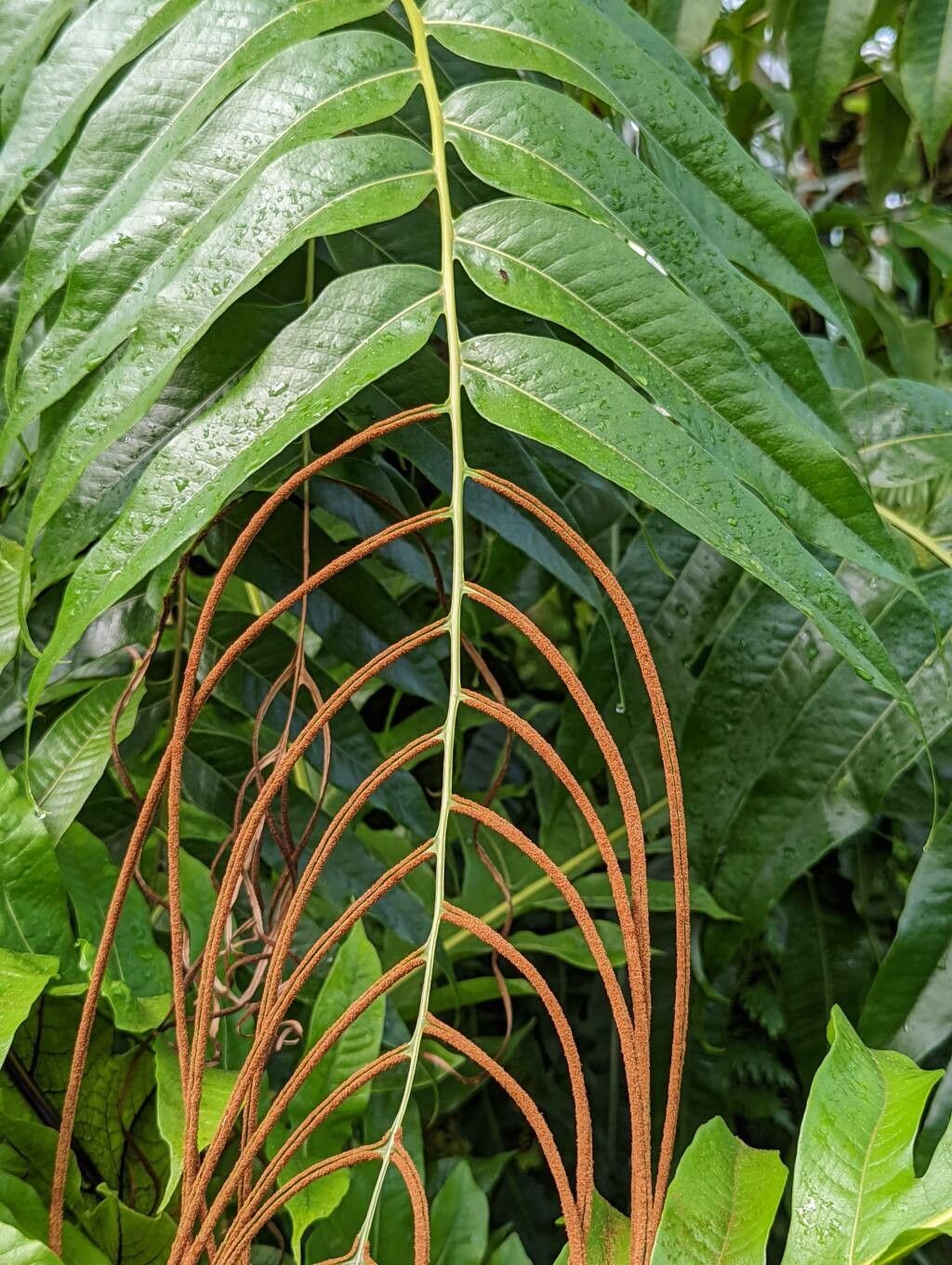
Propagating the Basket Fern: Unveiling the Secrets of Drynaria drynarioides
Drynaria drynarioides, commonly known as the Basket Fern, is a captivating epiphytic fern prized for its distinctive appearance. Its broad, fertile fronds nestle amongst smaller, shield-shaped sterile fronds which cling tightly to tree bark or other surfaces in its native habitat. This unique morphology, coupled with its relatively low maintenance requirements, has made it a popular choice amongst fern enthusiasts. However, propagation of this fascinating plant presents unique challenges and rewards.
Seed Germination:
Currently, there are no known reliable methods for seed germination propagation of Drynaria drynarioides. While the plant does produce spores, their germination rate is notoriously low, and successful cultivation from spore to mature plant is extremely challenging, even for experienced fern propagators. Further research is needed to pinpoint the specific environmental conditions that may encourage spore germination.
Cuttings:
Propagation via cuttings is also generally unsuccessful for Drynaria drynarioides. Unlike some other ferns, this species does not readily produce adventitious roots from leaf or rhizome cuttings. Attempts at propagation by this method often result in the cuttings drying out and dying before root formation occurs.
Division:
Division is the most reliable and commonly employed method for propagating Drynaria drynarioides. This involves carefully separating a mature plant into smaller sections, each containing established rhizomes and at least one healthy frond.
Challenges: Successfully dividing a Basket Fern requires patience and a gentle touch. Rough handling can damage the fragile rhizomes, leading to plant loss. Divisions should ideally include a substantial portion of both sterile and fertile fronds to ensure the plant’s continued health.
Practical Tips: Sharp, clean tools are essential to minimize damage. Divide the plant during its active growing season (spring or summer). Plant the divisions immediately into well-draining potting mix suitable for epiphytes, ensuring the rhizomes are in contact with the medium but not buried too deeply. High humidity and consistent moisture are crucial during the establishment phase.
Rewards: Division provides a straightforward method to increase the number of plants, relatively quickly securing more of this beautiful fern.
Tissue Culture:
Tissue culture offers a potential, albeit advanced, method for propagating Drynaria drynarioides. This laboratory-based technique involves growing plantlets from sterile tissue samples.
Challenges: Tissue culture requires specialized equipment, a sterile environment, and expertise in plant tissue culture techniques. The establishment of a suitable culture medium for Drynaria drynarioides requires experimentation and may prove difficult.
Practical Tips: Consult with experienced tissue culture specialists to determine the optimal protocols for this species. Strict adherence to sterile techniques is crucial to prevent contamination.
Rewards: Tissue culture offers the possibility of large-scale propagation, maintaining genetic uniformity, and potentially producing disease-free plants.
Conclusion:
Propagating Drynaria drynarioides presents a unique horticultural challenge. While seed germination is currently unreliable, and cuttings are unsuccessful, division offers a practical method for home propagators. Tissue culture provides a potential avenue for large-scale propagation, but requires specialized knowledge and expertise. The difficulty in propagation, however, adds to the satisfaction derived from successfully cultivating this striking fern. The reward of nurturing a small division into a mature, thriving Basket Fern is a testament to patient horticulture. Don’t be discouraged by the initial challenges; with careful technique and unwavering patience, the beauty and resilience of Drynaria drynarioides will undoubtedly be well worth the effort.