
Propagating Dieffenbachia concinna: A Gardener’s Guide
Introduction:
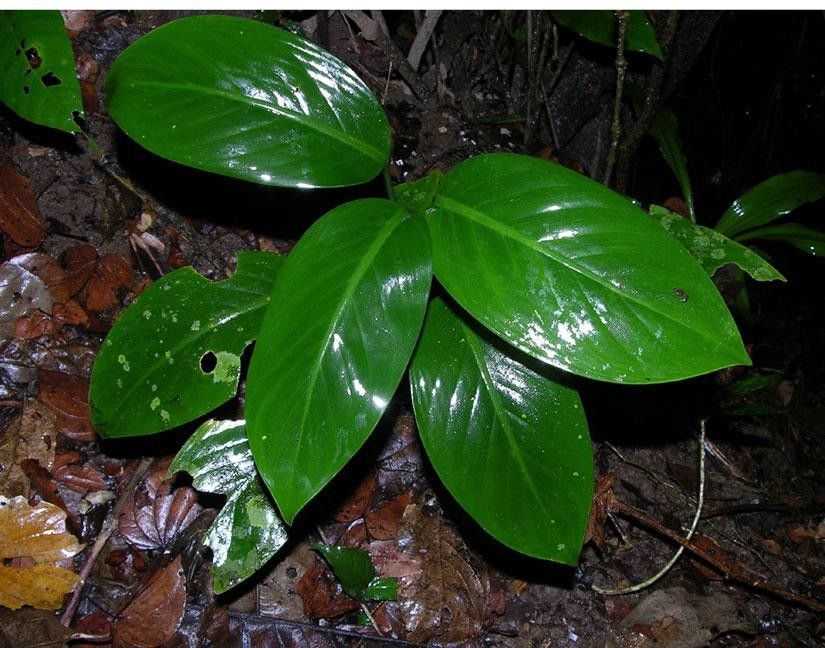
Dieffenbachia concinna, also known as the "dumb cane" (though this common name is often applied to the genus as a whole), is a captivating indoor plant prized for its striking foliage. Its beautifully variegated leaves, often featuring creamy white or yellow patterns against a dark green background, make it a popular choice among houseplant enthusiasts. While readily available commercially, propagating D. concinna offers a rewarding challenge and allows for the expansion of one’s own collection or the sharing of this beautiful plant with others. However, unlike some easily propagated houseplants, successful propagation of D. concinna can present certain hurdles.
Seed Germination:
Currently, there are no known reliable methods for seed germination propagation of Dieffenbachia concinna. The plant’s reproductive strategy in cultivation leans heavily towards vegetative propagation. While it may produce flowers under ideal conditions, seed production is infrequent and unreliable in home environments.
Cuttings:
Cuttings represent a far more successful method for propagating Dieffenbachia concinna.
- Challenges: The main challenge is preventing rot. Dieffenbachia cuttings are susceptible to fungal diseases if not properly cared for.
- Practical Tips: Stem cuttings, ideally taken from healthy, mature stems, are the preferred method. Take cuttings of at least 4-6 inches long, removing the lower leaves to prevent rot. Allow the cut ends to callus for a day or two before planting in a well-draining potting mix. Use a rooting hormone to encourage faster root development. Keep the cuttings warm (around 70-75°F) and humid, using a humidity dome or regularly misting. Avoid overwatering.
- Rewards: Cuttings offer a relatively straightforward method to quickly increase the number of plants. While lacking the genetic diversity of seed propagation, cuttings reliably produce genetically identical copies of the parent plant, preserving desirable traits.
Division:
Division of established Dieffenbachia concinna plants is possible, but should be approached cautiously.
- Challenges: Dieffenbachia concinna doesn’t naturally form multiple crowns in the way some other plants do. Forcing division can damage the plant if not done carefully.
- Practical Tips: Division is best attempted during repotting, when the plant is already out of its pot. Gently separate the rootball, aiming to create divisions with at least several healthy roots and leaves attached to each section. Plant each division in a well-draining potting mix, and avoid overwatering.
- Rewards: Successful division provides multiple mature plants more quickly than cuttings. This method is less risky than propagating from a smaller cutting. However, it is limited by the size and maturity of the existing plant.
Tissue Culture:
Tissue culture is a technically demanding but highly effective method for propagating Dieffenbachia concinna on a larger scale.
- Challenges: This method requires specialized equipment, sterile conditions, and a thorough understanding of plant tissue culture techniques. It’s usually undertaken by nurseries and laboratories.
- Practical Tips: This method involves growing plantlets from a small piece of plant tissue in a nutrient-rich agar medium under controlled conditions. The process sterilises the plant material and eliminates pathogens.
- Rewards: Tissue culture allows for rapid and large-scale propagation of genetically identical plants and disease-free stock. It’s ideal for commercial growers seeking to mass-produce plants.
Conclusion:
Propagating Dieffenbachia concinna, while presenting some challenges, is achievable. Cuttings offer the most accessible method for home gardeners, demanding patience and attention to detail to prevent rot. Division is possible but risky while seed propagation is not currently a viable option. Tissue culture represents a highly efficient but specialized pathway often outside the scope of home gardeners.
The unique satisfaction of propagating D. concinna comes from nurturing a small cutting into a vibrant, mature plant with stunning leaves. Overcoming the potential setbacks of rot and ensuring proper care – provides a rewarding experience reminiscent of the plant’s own resilient nature. To aspiring propagators, remember that patience and precise technique are paramount. Don’t be discouraged if your first attempts aren’t entirely successful; learning from each experience will ultimately lead to thriving plants.