
Propagating the Miniature Majesty: A Guide to Dypsis minuta
Introduction
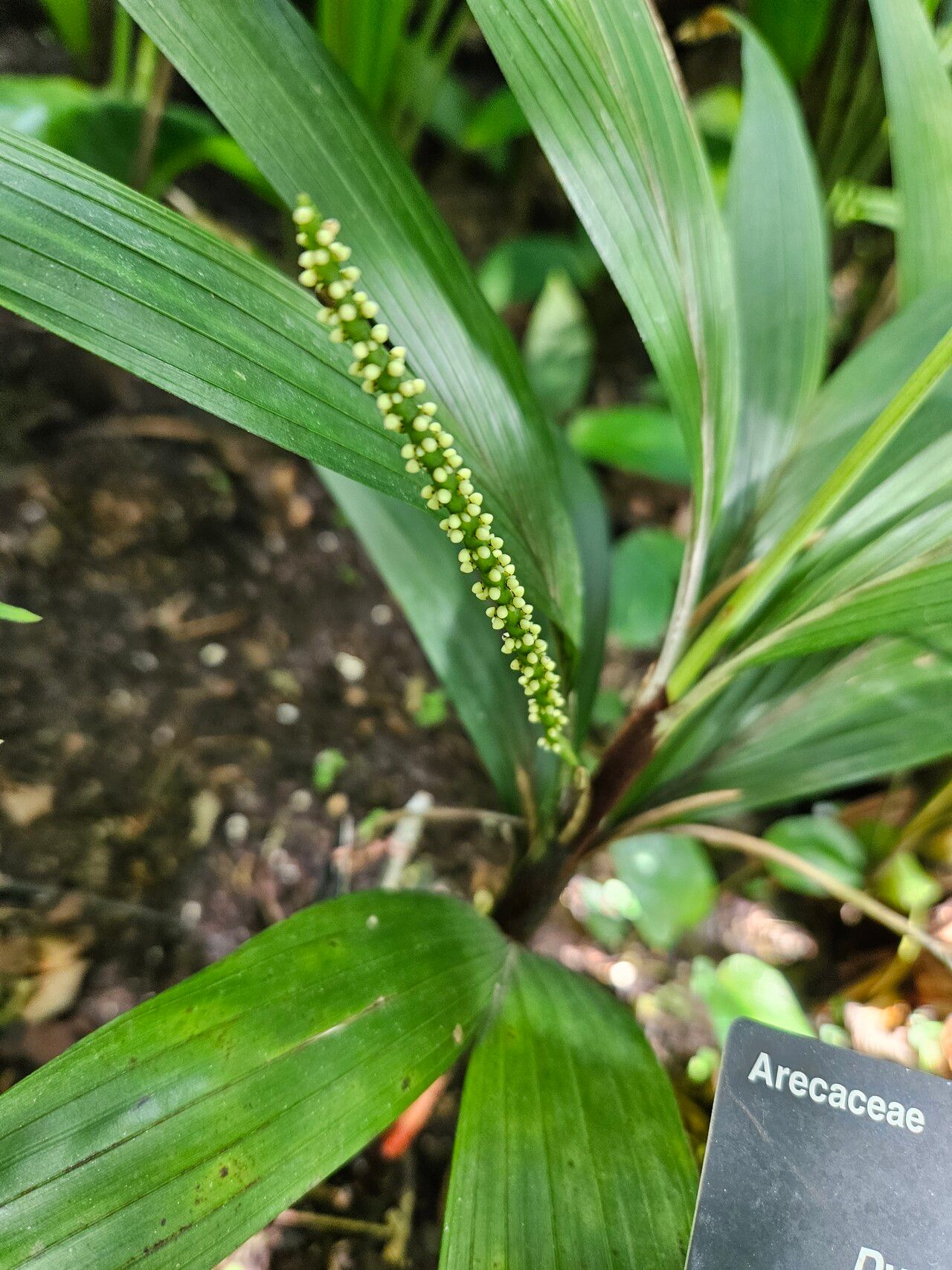
Dypsis minuta, also known as the Miniature Palm or the Miniature Areca Palm, is a captivatingly petite palm species prized for its gracefully arching fronds and compact, clumping habit. Its refined aesthetic makes it a highly sought-after addition to terrariums, container gardens, and even as a houseplant. This slow-growing palm adds an air of tropical elegance to any setting, contributing to its popularity among gardeners of all levels. However, propagating Dypsis minuta presents unique challenges due to its relatively slow growth and limited information available on its propagation methods. This article explores the various techniques available, weighing their effectiveness and challenges.
Seed Germination:
Currently, there are no known reliable methods for seed germination propagation of Dypsis minuta. While some anecdotal evidence suggests the possibility, consistent success rates are yet to be documented. The challenges likely stem from the palm’s specific germination requirements, which remain largely unknown. Further research is needed to identify optimal conditions, including specific temperature and humidity levels, substrate composition, and potential pre-treatment methods like scarification or stratification. Therefore, this method is not currently recommended for propagating Dypsis minuta.
Cuttings:
Propagating Dypsis minuta via cuttings is also considered unreliable. Attempts at stem or root cuttings have generally proven unsuccessful. The plant’s slow growth rate and its tendency to develop its root system deep within the soil makes creating viable cuttings extremely difficult. The likelihood of successful rooting is exceptionally low, even with the application of rooting hormones.
Division:
Division offers the most promising approach to propagating Dypsis minuta. As it’s a clumping palm, it naturally produces offshoots or suckers at its base. These offshoots, once sufficiently developed with their own root systems, can be carefully separated from the mother plant during the spring or early summer.
Challenges: The main challenge lies in ensuring that each division possesses a healthy root system. Forcing the separation before adequate root development can severely stress the plant and lead to failure.
Practical Tips: Carefully dig around the base of the mother plant, exposing the offshoots. Use a sharp, clean knife or spade to separate the offshoots, ensuring each has a significant portion of its own roots. Replant the divisions immediately into well-draining, nutrient-rich potting mix, keeping them consistently moist but not waterlogged. Provide shade during establishment.
Rewards: This method provides a relatively quick and reliable way to increase the number of plants. While not generating genetic diversity, it allows for the propagation of desirable traits within a particular cultivar.
Tissue Culture:
Tissue culture offers the potential for large-scale propagation of Dypsis minuta, overcoming the limitations of other methods. This laboratory-based technique involves using small pieces of plant tissue to grow new plants under sterile conditions.
Challenges: Tissue culture requires specialized equipment, a sterile environment, and expert knowledge. It is a costly and time-consuming process, generally best suited for nurseries or commercial growers.
Practical Tips: Finding a reputable tissue culture laboratory with experience in propagating palms is crucial. Providing the laboratory with healthy plant material is equally important for successful propagation.
Rewards: This method allows for the rapid production of a large number of genetically identical plants, making it ideal for mass propagation and the preservation of rare or superior cultivars.
Conclusion
Propagating Dypsis minuta presents significant challenges, with division offering the most viable option for the home gardener. Seed germination and cuttings have proven largely unsuccessful, while tissue culture, while highly effective, requires specialized resources. The rewards of successfully cultivating this miniature wonder, however, far outweigh the difficulties involved. The satisfaction of nurturing a tiny cutting or carefully separating a division into a thriving new plant offers a particularly unique and deeply fulfilling experience in the world of plant propagation. Remember patience is key. With careful attention to detail and persistent effort, aspiring propagators can enjoy the elegant beauty of Dypsis minuta in their collections.