
Propagating Caroxylon aphyllum: A Challenging but Rewarding Endeavor
Introduction:
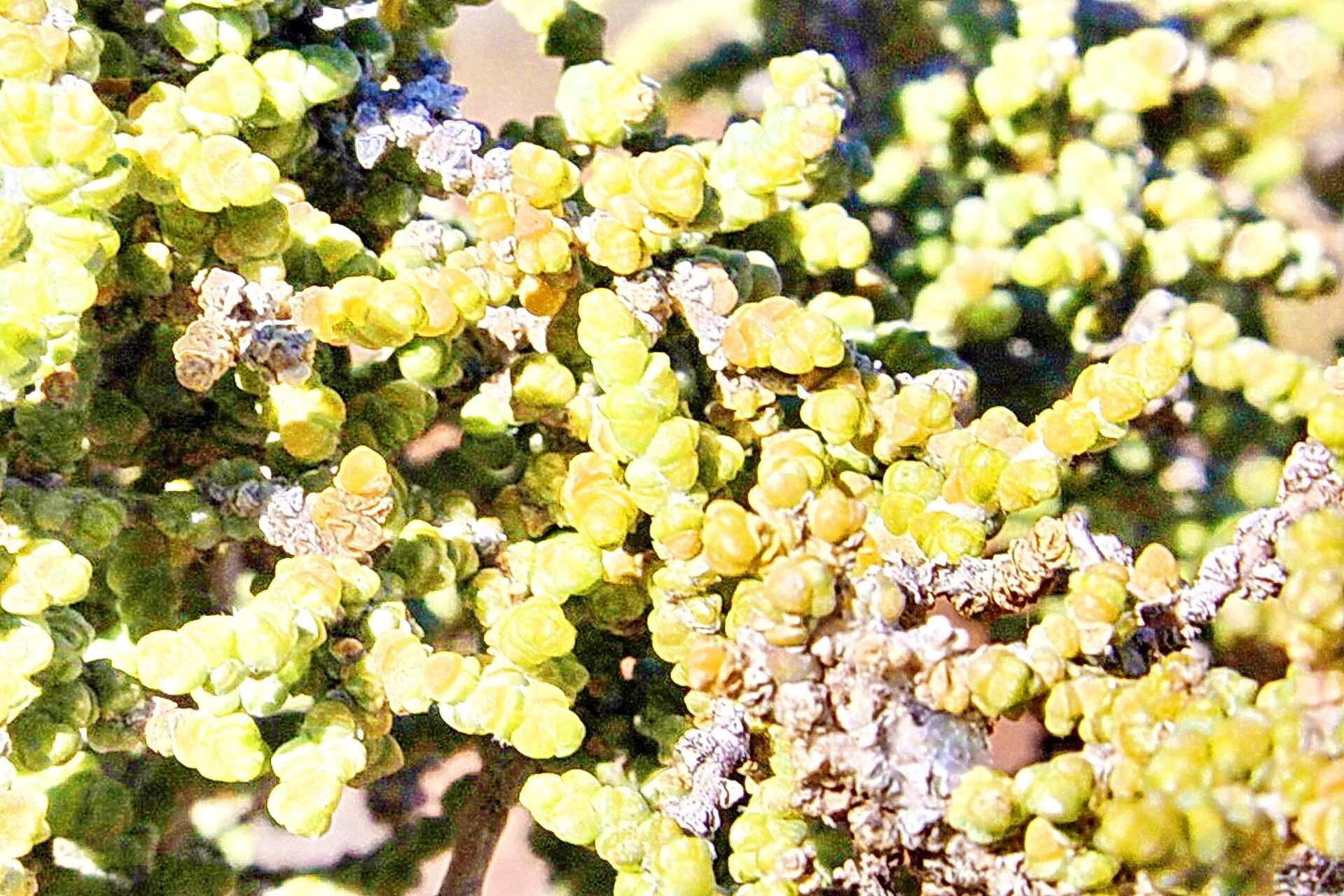
Caroxylon aphyllum, commonly known as the "saltbush" (though this common name is shared by many species), is a fascinating succulent shrub valued for its drought tolerance, salt resistance, and striking, almost leafless appearance. Its silvery-grey stems and small, scale-like leaves make it a unique addition to arid and xeric gardens, attracting attention for its textural qualities and adaptation to challenging environments. Its popularity among gardeners specializing in drought-tolerant landscaping is growing, driving interest in effective propagation methods. However, propagation, for this species, proves to be more challenging than for many other succulents.
Seed Germination:
Currently, there are no known reliable methods for seed germination propagation of Caroxylon aphyllum. While seed production occurs in nature, germination rates in controlled environments have proven exceptionally low, likely due to dormancy mechanisms and specific environmental requirements yet to be fully understood. Further research into seed pretreatment techniques, including scarification or specific temperature stratification protocols, is needed.
Cuttings:
Cuttings offer a more promising approach to propagating Caroxylon aphyllum.
Challenges: The success rate with stem cuttings can be variable. Factors like the age and health of the parent plant, the timing of cutting collection, and the propagation environment significantly impact success. Rooting hormones may be beneficial, but even with their use, rooting can be slow.
Practical Tips: Semi-hardwood cuttings taken in late spring or early summer generally perform best. Cuttings should be approximately 10-15cm long, with the lower leaves removed to prevent rotting. Dip the cut ends in rooting hormone before planting them in a well-draining propagation mix (e.g., a gritty mix of sand and perlite). Maintain a humid environment, using a propagation tray covered with plastic or a humidity dome, and ensure adequate light but avoid direct sun.
Rewards: Cuttings offer a relatively quick way to produce genetically identical clones of a desirable parent plant. This ensures the preservation of desirable traits, such as a particular growth habit or salt tolerance.
Division:
Division is another potential method, especially for established plants.
Challenges: Caroxylon aphyllum doesn’t readily form the dense clusters that make division easy, unlike many clumping succulents. The root system can be quite fragile, making careful handling essential to avoid damage during division.
Practical Tips: Division is best undertaken in spring or after the plant has finished its main growing season. Carefully dig up the mature plant and gently separate portions, ensuring each division has a sufficient amount of roots and stem. Replant the divisions in well-drained soil and provide adequate watering for initial establishment.
Rewards: Division can be relatively quick and allows for increasing the number of plants quickly — but only when the plant is mature enough for such division to occur.
Tissue Culture:
Tissue culture offers a potential solution for large-scale propagation and overcoming the limitations of seed germination and cuttings.
Challenges: Establishing a reliable tissue culture protocol for Caroxylon aphyllum would require significant expertise in plant tissue culture techniques and optimization of media composition, growth regulators, and sterilization techniques.
Practical Tips: This technique is best left to specialized laboratories and researchers with experience in plant tissue culture.
Rewards: Tissue culture offers the potential for very rapid mass production of genetically uniform plants, opening up avenues for commercial cultivation and conservation efforts if successful.
Conclusion:
Propagating Caroxylon aphyllum presents unique challenges. While seed germination is currently unreliable, cuttings and division offer viable options, albeit requiring patience and attention to detail. Tissue culture may hold the key to large-scale propagation in the future, but this technology necessitates considerable expertise. The rewards – the successful cultivation of this beautiful and resilient plant – are well worth the effort. The unique satisfaction derived from nurturing Caroxylon aphyllum from a cutting or division, overcoming the difficulties involved, is a testament to the grower’s perseverance and adds profound meaning to their gardening journey. To aspiring propagators, I say, don’t be discouraged by the initial challenges; with careful observation, diligent attention, and a bit of patience, you can enjoy the rewarding experience of cultivating these fascinating plants and contributing to their appreciation amongst gardeners.