
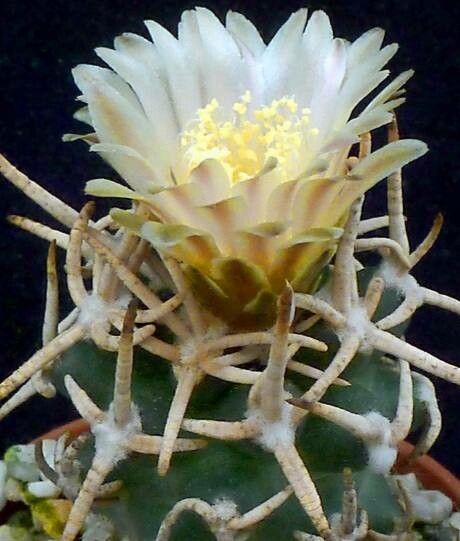
Propagating the Honeycomb Cactus (Pediocactus peeblesianus): A Challenging but Rewarding Endeavor
Introduction:
Pediocactus peeblesianus, commonly known as the Honeycomb Cactus, is a captivating small cactus species prized for its intricate, honeycomb-like areoles and stunning blooms. Native to the arid regions of Arizona and New Mexico, its compact size and slow growth make it a unique and desirable addition to succulent collections. However, its propagation presents unique challenges, making success a testament to the grower’s skill and patience. Its popularity among serious cactus enthusiasts stems directly from these challenges; successfully propagating this species offers a significant sense of accomplishment.
Seed Germination:
Seed germination for Pediocactus peeblesianus is a viable, albeit challenging, method of propagation. The primary hurdle lies in the notoriously low germination rate and the stringent requirements for successful germination.
Challenges: Seeds are often slow to germinate, and require precise environmental conditions. Dormancy periods may need to be overcome through stratification (a period of cold, moist storage). Fungal diseases can readily decimate seedlings.
Practical Tips: Fresh seeds are crucial. Stratification at 3-4°C (37-39°F) for 6-8 weeks is recommended before sowing on a well-draining seed compost. Maintain high humidity (e.g., using a propagator) and warm temperatures (around 20-25°C or 68-77°F) after sowing. Avoid overwatering, and ensure excellent ventilation to prevent fungal growth. Sterilize all tools and sowing medium.
Rewards: Seed-grown plants offer the greatest genetic diversity, leading to a potentially wider range of characteristics within the population. This method also allows for large-scale propagation, once established.
Cuttings:
Currently, there are no known reliable methods for propagating Pediocactus peeblesianus from cuttings. This succulent is not readily amenable to vegetative propagation from stem or pad cuttings. The slow growth and delicate nature of the plant make cuttings prone to rot and desiccation, preventing successful rooting.
Division:
Division is generally not a viable propagation method for Pediocactus peeblesianus. The plant’s solitary growth habit usually doesn’t allow for separation into readily rootable portions without severely damaging the parent plant. Attempts at division are unlikely to yield successful results.
Tissue Culture:
Tissue culture offers a potentially effective, albeit highly specialized, method for propagating Pediocactus peeblesianus. This advanced technique involves growing plant tissues in a sterile laboratory environment.
Challenges: Requires specialized equipment, sterile techniques, and significant expertise in plant tissue culture. The establishment of sterile cultures and the development of appropriate growth media can be challenging.
Practical Tips: Expertise in sterile techniques is paramount. Selection of appropriate media components and growth regulators requires substantial prior knowledge.
Rewards: Tissue culture allows for rapid multiplication of desirable genotypes, disease-free stock production, and the potential for mass propagation.
Conclusion:
Propagating Pediocactus peeblesianus presents a range of difficulties, with seed germination holding the most promise, albeit with challenges in germination rates and susceptibility to disease. Cuttings and division are not viable options. Tissue culture offers a potential solution for mass production, but requires significant technical expertise and resources. The rewards of successfully cultivating this species, however, are considerable. The satisfaction of nurturing a tiny seed into a mature Honeycomb Cactus, armed with its unique honeycomb texture and captivating blooms, is a testament to patience, knowledge, and dedication. For aspiring propagators, patience and a meticulous approach are paramount – start with seed germination, investing in high-quality supplies and thoroughly researching optimal conditions. While the journey might be challenging, the ultimate reward of a successfully propagated Pediocactus peeblesianus is well worth the effort.