Propagating the Queen of the Andes: A Guide to Soehrensia walteri
Introduction:
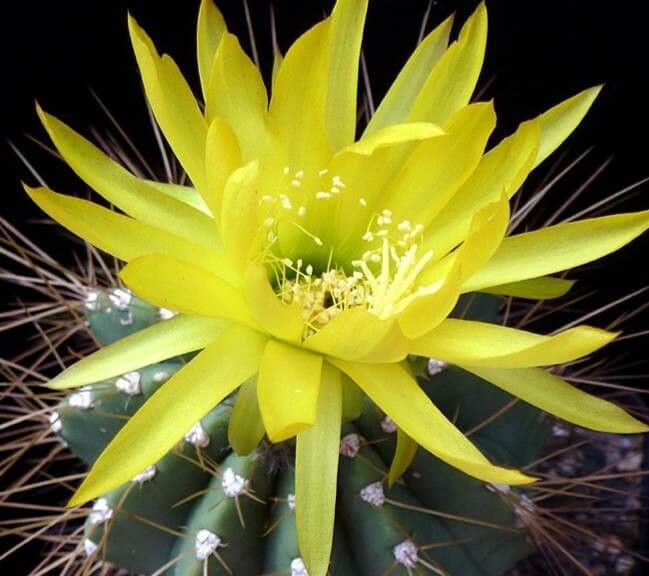
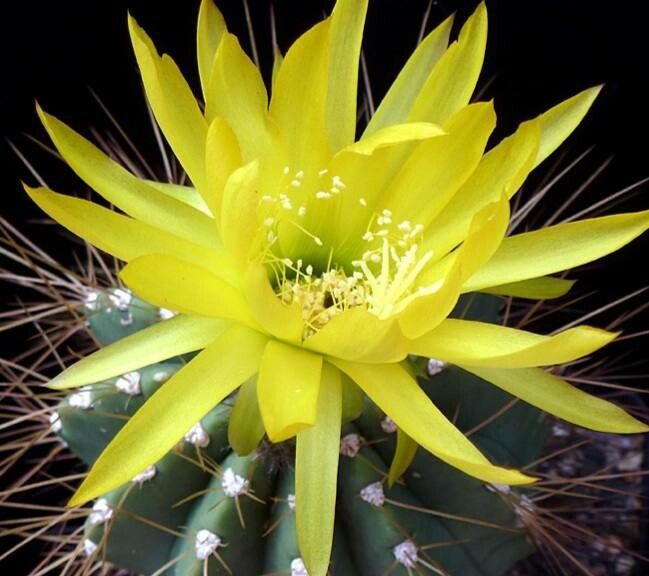
Soehrensia walteri, also known as the Queen of the Andes, is a captivating columnar cactus prized for its striking bluish-green stems adorned with prominent ribs and attractive areoles. Its relatively slow growth and magnificent, although infrequent, blooms contribute to its popularity among succulent enthusiasts. While not as commonly cultivated as some other cacti, its unique beauty and challenging propagation make it a rewarding project for experienced growers. Propagating Soehrensia walteri presents unique challenges, primarily due to its slow growth and potential sensitivity to propagation techniques.
Seed Germination:
Seed germination is a viable but challenging method for propagating Soehrensia walteri. The primary challenge lies in the relatively low germination rate and the need for specific environmental conditions.
Challenges: Seeds may exhibit dormancy, requiring stratification (a period of cold, moist treatment) for several weeks before sowing. Furthermore, maintaining consistent warmth and humidity during germination is crucial, as seedlings are susceptible to fungal diseases.
Tips: Sow seeds in a well-draining cactus and succulent mix, preferably sterilized, on the surface and lightly cover. Employ bottom watering to prevent damping-off. Maintain temperatures around 25-30°C (77-86°F) and high humidity (using a humidity dome or propagator) during germination. Stratification for 4-6 weeks at 4-10°C (39-50°F) can improve germination rates.
- Rewards: Successful seed germination offers the chance to obtain genetically diverse plants, which is important for preserving the species’ genetic pool. This method also allows for large-scale propagation, though it requires patience and suitable environments.
Cuttings:
Currently, there are no known reliable methods for propagation of Soehrensia walteri from cuttings. The thick, woody stems are resistant to rooting, and any attempt at vegetative propagation has proven generally unsuccessful.
Division:
Division is not a practical method for propagating Soehrensia walteri. This cactus typically doesn’t produce offsets or pups that can be easily separated and rooted.
Tissue Culture:
Tissue culture, a method employing sterile laboratory conditions to grow plant cells, could potentially offer a viable alternative for large-scale propagation of Soehrensia walteri. However, this requires specialized equipment, aseptic techniques and expertise, making it inaccessible to the average home cultivator. Successful tissue culture would require extensive experimentation to determine optimal media compositions and growth hormones.
Conclusion:
Propagating Soehrensia walteri presents considerable challenges, with seed germination offering the most viable, albeit difficult, option. Cuttings and division are unsuitable. While tissue culture might hold promise for large-scale production, it presents significant technical hurdles. The rewards of successful propagation, however – cultivating these magnificent plants from seeds or achieving mastery through tissue culture – are significant. The patience, attention to detail, and ultimate success in cultivating this "Queen of the Andes" bring a deeply satisfying sense of accomplishment. Aspiring propagators should approach this endeavor with realistic expectations, focusing on meticulous attention to detail and appreciating the inherent challenges as part of the rewarding journey. Starting with seeds and a well-researched approach, coupled with patience, offers the best chance of success.