
Propagating the Scarlet Monkeyflower (Diplacus puniceus): A Gardener’s Guide
Introduction:
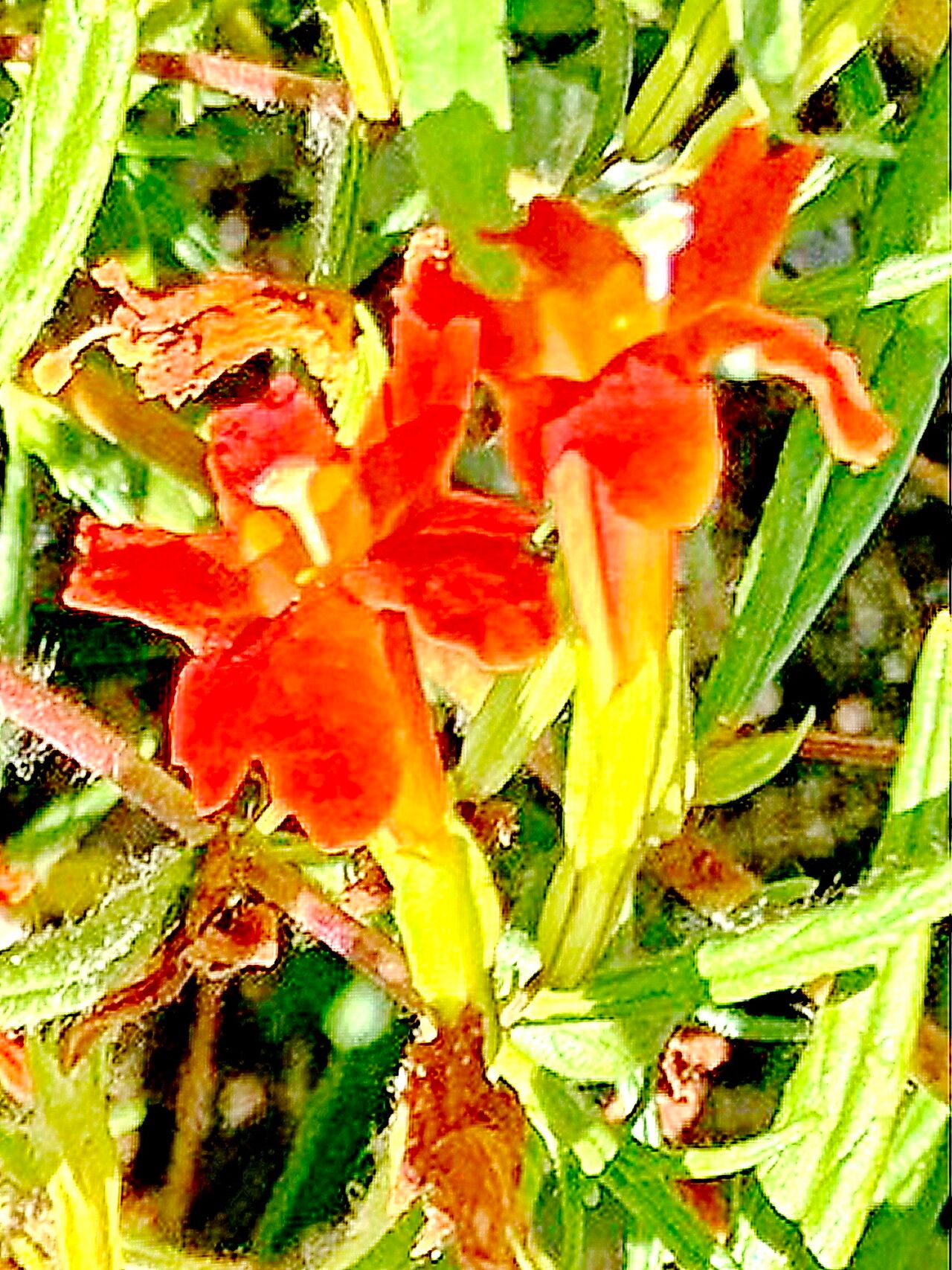
Diplacus puniceus, commonly known as the scarlet monkeyflower, is a captivating Californian native plant prized for its vibrant, scarlet-red flowers and its ability to thrive in dry, sunny conditions. Its striking blooms attract pollinators, making it a valuable addition to wildlife gardens. Its relatively compact size and drought tolerance also make it a popular choice among gardeners seeking low-maintenance, beautiful landscaping options. While relatively easy to cultivate from established plants, propagation from seed or other vegetative means presents some unique challenges.
Seed Germination:
Currently, there are no known reliable methods for seed germination propagation of Diplacus puniceus. While the plant does produce seeds, their germination rate is notoriously low, and success has not been consistently replicated. Further research into specific stratification techniques and germination media might be needed to improve success rates.
Cuttings:
Cuttings represent a more viable propagation method for Diplacus puniceus.
Challenges: The success rate can be variable, depending on the timing, the type of cutting (softwood or semi-hardwood), and the rooting environment.
Tips: Take 4-6 inch cuttings from non-flowering stems in spring or early summer. Remove lower leaves to prevent rot. Dip the cut ends in rooting hormone and plant in a well-draining mix of perlite and vermiculite. Keep the cuttings moist but not waterlogged, providing humidity (e.g., using a plastic propagator). Rooting may take several weeks.
Rewards: This is a relatively straightforward method that produces genetic clones, preserving desirable traits. It allows for the efficient propagation of a limited number of superior plants.
Division:
Division works best with established, mature Diplacus puniceus plants.
Challenges: This method is only suitable for established plants and can disrupt the plant’s root system, potentially leading to stress and reduced vigor if not done carefully.
Tips: Divide the plant in early spring or fall, carefully separating the root ball into smaller sections, ensuring each section has healthy roots and several stems. Replant the divisions immediately, ensuring adequate spacing and watering.
Rewards: This is a quick and efficient method for creating multiple plants from a single mature specimen particularly useful for larger plantings without the time delay faced with cuttings.
Tissue Culture:
Tissue culture offers a potential solution for large-scale propagation of Diplacus puniceus.
Challenges: This method requires specialized equipment, sterile conditions, and expertise in plant tissue culture techniques. It’s also more complex and costly than other methods.
Tips: Sterile procedures are crucial to prevent contamination. Explants (small plant tissues) need to be taken from healthy, actively growing plants. Specific nutrient media will need to be used, and the optimal environmental conditions (light, temperature, humidity) must be maintained.
Rewards: Tissue culture offers the possibility of producing a large number of genetically identical plants quickly and efficiently, ideal for commercial propagation or conservation efforts.
Conclusion:
Propagating Diplacus puniceus presents unique challenges depending on the chosen method. Seed propagation remains unreliable, while cuttings offer a practical approach for the home gardener. Division is suitable for established plants, and tissue culture holds the most potential for large-scale propagation but requires significant expertise. The inherent difficulties associated with successful propagation of this species, however, amplify the satisfaction of producing new plants. Witnessing a tiny cutting transform into a vibrant scarlet monkeyflower, or a carefully divided clump into several thriving individuals, offers a deep connection to the natural world and a profound appreciation for the beauty and resilience of this remarkable plant. Do not be discouraged by initial setbacks; experiment with different methods and learn from your experiences. The reward of successfully cultivating this stunning Californian native is well worth the effort.