
Propagating the Salzburg Eyebright (Euphrasia salisburgensis): A Horticultural Challenge
Introduction:
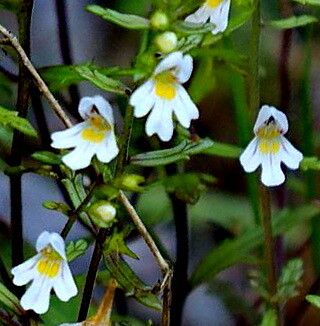
Euphrasia salisburgensis, commonly known as the Salzburg eyebright, is a captivating hemiparasitic annual belonging to the Orobanchaceae family. This delicate plant, characterized by its small, white to purplish flowers with yellow throats and finely toothed leaves, possesses a unique appeal for dedicated gardeners. Its diminutive size and charming blossoms make it a sought-after addition to rock gardens, alpine troughs, and wildflower meadows. However, its hemiparasitic nature, relying partially on host plants for sustenance, adds a layer of complexity to its cultivation and propagation. This unique characteristic significantly impacts the success rates of various propagation methods.
Seed Germination:
Currently, there are no known reliable methods for seed germination propagation of Euphrasia salisburgensis. The tiny seeds, coupled with the plant’s specific requirements for successful germination (likely involving mycorrhizal fungi and a suitable host plant), present significant hurdles. Research into the germination requirements of this species is limited, hindering the development of reliable protocols.
Cuttings:
Cuttings propagation is also unlikely to be successful for Euphrasia salisburgensis. As an annual plant, it lacks the capacity for vegetative regrowth from stem cuttings. Furthermore, its hemiparasitic nature means that even if a cutting were to root, it’s unlikely to thrive without access to a compatible host plant.
Division:
Division is not a viable option for propagating Euphrasia salisburyensis due to its annual life cycle. The plant produces seeds and dies back each year, thereby eliminating the option of dividing a root system for propagation.
Tissue Culture:
Tissue culture offers a potential avenue for propagating Euphrasia salisburgensis, although it remains largely unexplored. The complexities of establishing sterile cultures from this species, combined with the need to find suitable nutrient media (potentially supplemented with growth regulators) and potentially consider the requirements of a host plant, presents significant technical challenges. While successful tissue culture could offer a robust method for large-scale propagation and genetic conservation, considerable research and development are needed to establish a reliable protocol.
Conclusion:
Propagating Euphrasia salisburgensis presents significant horticultural challenges. Seed germination, cuttings, and division are all ineffective methods due to the plant’s annual life cycle and hemiparasitic nature. Tissue culture, while potentially offering a solution for large-scale conservation and propagation, requires considerable research and development before it can become a practical method.
The rewards for successfully cultivating this charming plant, however, are considerable. The unique satisfaction derived from nurturing such a delicate and challenging species is immense, providing a profound sense of accomplishment. For aspiring propagators, the path may be arduous, but perseverance could pave the way for the successful cultivation and conservation of this beautiful alpine treasure. It is advisable to focus efforts on researching advanced techniques in tissue culture, or alternatively, to carefully collect and sow seeds in situ with ample host plants, mimicking natural conditions as closely as possible. While success isn’t guaranteed, the journey of attempting to propagate this unique plant is a rewarding experience in itself.