
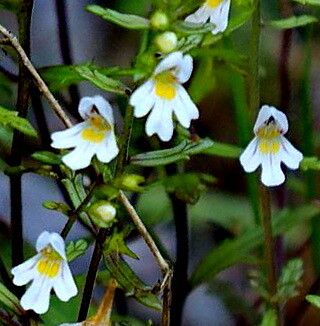
Propagating Euphrasia salisburgensis: A Gardener’s Challenge
Euphrasia salisburgensis, also known as Salisbury eyebright, is a captivating member of the Orobanchaceae family. This diminutive, hemiparasitic plant boasts delicate, white or lilac flowers with characteristic yellow throats, adding a touch of ethereal beauty to alpine and grassland habitats. Its relatively small size and specific habitat requirements make it a sought-after addition to specialized rock gardens and wildflower meadows, fueling its growing popularity among discerning gardeners. However, propagating this enchanting species presents unique challenges, making successful cultivation a particularly rewarding endeavor.
Seed Germination:
Currently, there are no known reliable methods for seed germination propagation of Euphrasia salisburgensis. Seeds of eyebrights in general are notoriously difficult to germinate, often requiring very specific environmental conditions that are not fully understood for this particular species. Research into specific germination requirements remains limited. The tiny seed size and potential for dormancy also contribute to the difficulties.
Cuttings:
Propagating Euphrasia salisburyensis from cuttings presents significant hurdles. While some eyebright species might respond to stem cuttings under highly controlled conditions, success with E. salisburgensis is not documented. The plant’s hemiparasitic nature, relying on host plants for nutrients, makes it inherently challenging to establish independently from its host. The delicate nature of the cuttings and their sensitivity to moisture and fungal diseases also contribute to low survival rates. Therefore, propagation via cuttings is considered unreliable for this species.
Division:
Division is also not a practical method for propagating Euphrasia salisburgensis. This species typically forms small, compact plants tightly integrated with the surrounding soil and host plant root systems. Attempts at physically dividing the plant risk severe damage, leading to high mortality rates. The delicate root structure and symbiotic relationship with the host plant make separation extremely difficult and stressful for the plant.
Tissue Culture:
Tissue culture, though potentially promising, has not been widely explored for Euphrasia salisburgensis. It offers the potential to overcome some of the challenges associated with other propagation methods, enabling the production of large numbers of genetically identical plants. However, establishing an effective tissue culture protocol for this species would require significant research and investment, particularly in developing suitable growth media and identifying appropriate growth hormones to stimulate shoot proliferation and rooting. Therefore, while tissue culture holds promise, it remains an underdeveloped avenue for propagation.
Conclusion:
Propagating Euphrasia salisburgensis presents a formidable challenge across all common methods. Seed germination remains unreliable, while cuttings and division are largely impractical. While tissue culture holds future potential, it requires further research. The rewards of successfully cultivating this rare and beautiful plant, though, are immense. The thrill of overcoming these propagation hurdles and contributing to the conservation of this species makes the endeavor uniquely satisfying. For aspiring propagators, patience, meticulous attention to detail, and a willingness to experiment with advanced techniques like tissue culture are essential. Further research into the species’ specific physiological needs is crucial for improving propagation outcomes and ensuring its long-term preservation in cultivation.