
Propagating Lithops werneri: A Gardener’s Guide to the "Werner’s Stone Face"
Introduction:
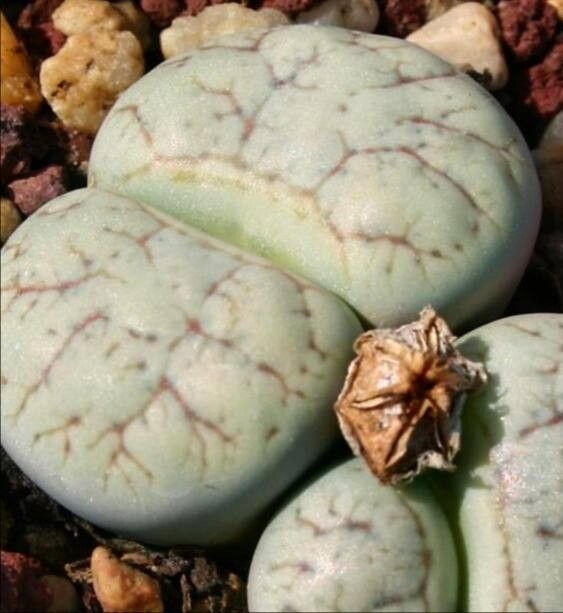
Lithops werneri, also known as Werner’s Stone Face, is a captivating succulent belonging to the Lithops genus. These miniature plants, native to South Africa, mimic the surrounding stones in their habitat, a remarkable adaptation that provides camouflage from herbivores. Their unique, bicarpellate leaf structure, often patterned with intricate markings, makes them highly prized by succulent enthusiasts. Their relatively slow growth and challenging propagation contribute to their allure, making successful cultivation a source of considerable pride. While aesthetically pleasing, their propagation poses a unique set of horticultural challenges.
Seed Germination:
Seed germination is a viable, albeit challenging, method for propagating Lithops werneri. The tiny seeds require specific conditions to germinate successfully.
Challenges: Seed germination in Lithops is notoriously finicky. Seeds are prone to fungal infections, and improper watering can quickly lead to damping-off. Maintaining consistently high humidity and warmth is crucial, but excess moisture can be lethal. Light levels must be carefully managed to avoid scorching the delicate seedlings.
Practical Tips: Sow seeds thinly on well-draining, sterile seed-starting mix. Cover lightly with fine sand or vermiculite. Maintain high humidity (e.g., using humidity domes or propagating trays) and a temperature range of 20-25°C (68-77°F). Gentle, indirect sunlight is essential. Avoid overwatering; misting might be sufficient. Stratification is generally not required for Lithops seeds.
Rewards: Successfully germinating Lithops werneri seeds offers access to a wide array of genetic diversity, allowing for the potential to cultivate plants with unique patterns and variations. It also provides the opportunity for large-scale propagation, making this a favored method for nurseries and serious collectors.
Cuttings:
Currently, there are no known reliable methods for propagation of Lithops werneri via cuttings. Lithops lack the ability to regenerate from leaf or stem cuttings.
Division:
Division is generally not a practical propagation method for Lithops werneri. Although mature plants may occasionally produce offsets, these are infrequent and rarely large enough for successful separation. Forcing division can significantly damage the parent plant.
Tissue Culture:
Tissue culture is a technically demanding but potentially effective method for propagating Lithops werneri.
Challenges: Establishing sterile conditions and selecting appropriate growth media and hormones are critical. Specialists with experience in plant tissue culture are usually needed. The process requires specialized equipment and aseptic techniques.
Practical Tips: This method requires a controlled environment with specific media formulations designed for succulents. Success depends greatly on the expertise of the practitioner.
Rewards: It’s highly effective and yields a large number of genetically identical plants, which can be vital for preserving rare cultivars.
Conclusion:
Propagating Lithops werneri, while challenging, affords the cultivator a profound sense of accomplishment. Seed germination presents the greatest potential for propagation but demands patience, precision, and a keen understanding of the plant’s specific needs; failure is common. Other methods are either unreliable or require specialized knowledge and resources. The unique beauty and resilience of these "living stones", however, make the effort worthwhile. For aspiring propagators, the advice is simple: Start with seeds, meticulously follow the guidelines, and accept that setbacks are part of the learning process. The rewards of successfully cultivating these captivating plants far outweigh the challenges they present.