
Propagating Carthamus arborescens: A Gardener’s Guide to the Tree Thistle
Introduction:
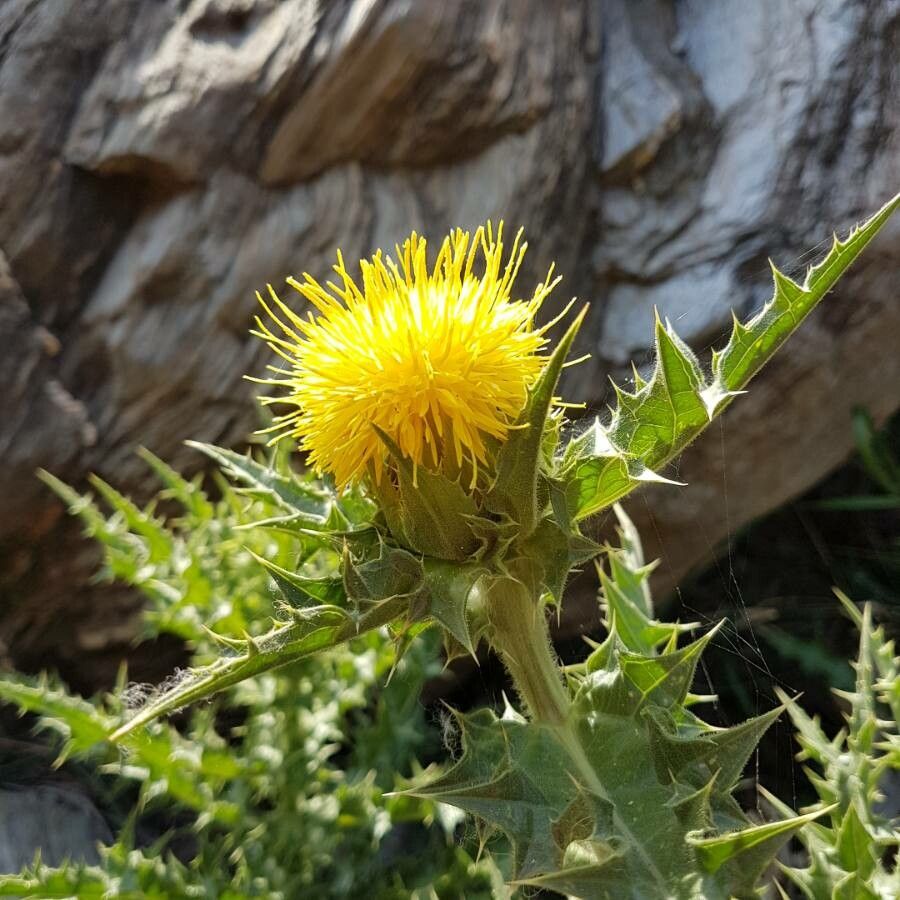
Carthamus arborescens, commonly known as the tree thistle or shrubby safflower, is a striking evergreen shrub captivating gardeners with its architectural form and vibrant, thistle-like flowers. Native to the Mediterranean regions, it boasts silvery-grey foliage and bright yellow, sometimes orange-tinged, blooms, providing a textural and color contrast in the garden. Its relatively uncommon nature amongst gardeners, coupled with its unique aesthetic qualities, makes successful propagation a rewarding endeavor. This guide explores various methods for propagating this beautiful and somewhat challenging plant.
Seed Germination:
Currently, there are no known reliable methods for seed germination propagation of Carthamus arborescens. While seeds may be produced, their germination rate is notoriously low, and success is highly unpredictable. Factors such as dormancy and specific environmental conditions may play a significant role in this difficulty.
Cuttings:
- Viability: Cuttings offer a more reliable method of propagating Carthamus arborescens than seed germination.
- Challenges: Success with cuttings depends heavily on timing and technique. Semi-hardwood cuttings taken in late summer or early autumn generally yield the best results. The stems are somewhat brittle, so careful handling is essential. Proper rooting hormone application is highly recommended.
- Practical Tips: Take cuttings of about 4-6 inches, removing lower leaves to prevent rotting. Use a sharp, clean blade to ensure clean cuts. Plant cuttings in a well-draining propagating mix maintained at a consistently moist but not soggy state. Cover with a humidity dome or plastic bag to maintain high humidity. Provide bright, indirect light, avoiding direct sun.
- Rewards: Cuttings offer a quicker path to a mature-sized plant compared to other methods and ensure the propagation of desirable traits from the parent plant.
Division:
- Viability: Division can be a successful method, particularly for larger, established plants.
- Challenges: The root system of Carthamus arborescens can be quite extensive and somewhat difficult to divide without causing significant damage. Care is needed to maintain a healthy root mass on each division.
- Practical Tips: Division is best performed in early spring or late autumn. Dig carefully around the plant, exposing the root system. Use sharp, clean tools to divide the plant into sections, ensuring each section has sufficient roots and foliage. Replant the divisions immediately, watering thoroughly and providing some shade until established.
- Rewards: Division offers essentially a "clone" of the parent plant, replicating its desired characteristics. It’s faster than cuttings and more reliable than seed germination.
Tissue Culture:
- Viability: Tissue culture, though technically complex, offers the potential for large-scale propagation of Carthamus arborescens, overcoming limitations of other methods.
- Challenges: This method requires specialized knowledge, equipment (sterile laboratory environment, growth media, etc.), and considerable expertise in plant tissue culture techniques. It is not a practical option for the home gardener.
- Practical Tips: Consult established tissue culture protocols for similar species if attempting this method. Sterility is paramount to prevent contamination and failure.
- Rewards: Tissue culture allows for the mass production of clones efficiently and disease-free. It is especially useful for preserving rare or endangered cultivars.
Conclusion:
Propagating Carthamus arborescens presents unique challenges. While seed germination proves unreliable, cuttings and division are viable options for the home gardener seeking to expand their collection. Tissue culture, though demanding, holds the key to large-scale propagation. The satisfaction of successfully nurturing this striking plant from a cutting or division, having overcome the specific difficulties involved, makes the effort profoundly rewarding. For the aspiring propagator, patience, attention to detail, and a willingness to learn are essential ingredients for success. Don’t be discouraged by initial setbacks; the beauty of the resulting tree thistle is a testament to the perseverance it takes to cultivate this remarkable plant.