
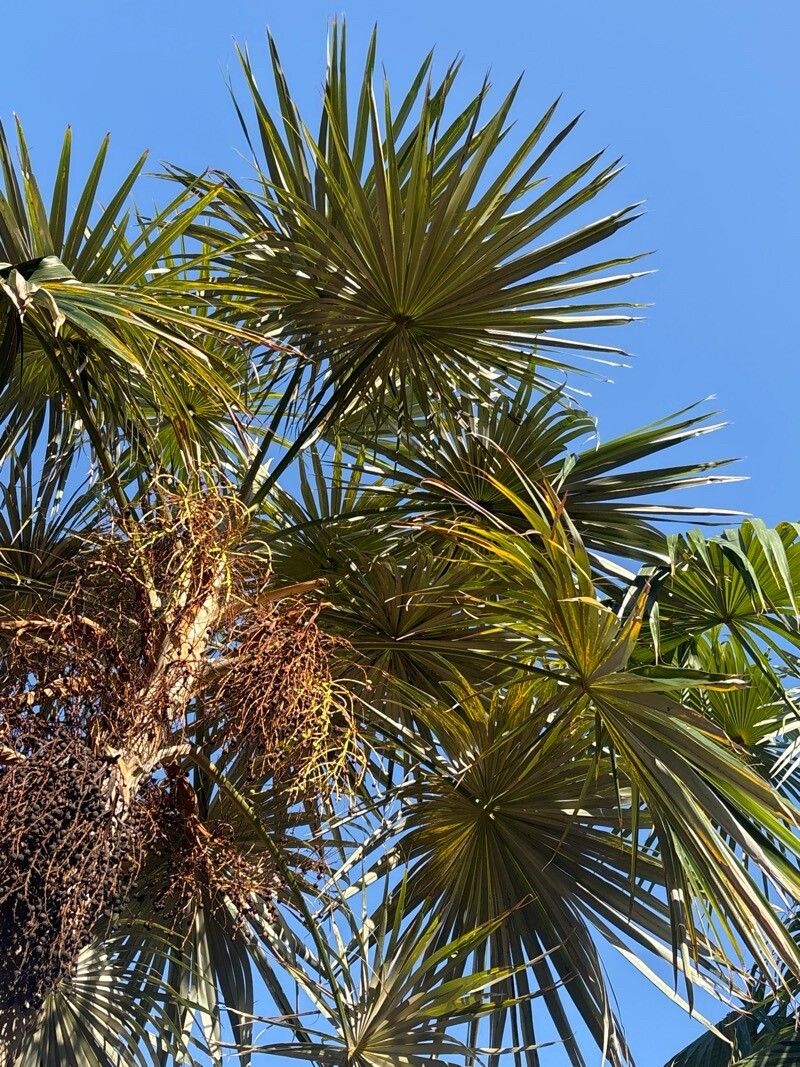
Propagating the Barbados Thatch Palm (Coccothrinax barbadensis)
Introduction
Coccothrinax barbadensis, commonly known as the Barbados Thatch Palm, is a visually striking palm prized for its elegant, fan-shaped leaves and relatively compact size. Its tolerance of drought and salt spray makes it a popular choice for tropical and subtropical gardens, particularly in coastal locations. However, its propagation presents certain challenges, making successful cultivation all the more rewarding. This article explores various propagation methods for Coccothrinax barbadensis, weighing their respective merits and difficulties.
Seed Germination:
Seed germination for Coccothrinax barbadensis is a viable, albeit challenging, method. The seeds possess a relatively hard seed coat that can hinder germination.
Challenges: Low germination rates are frequently reported. Seed viability significantly degrades over time; fresh seeds are crucial for success.
Practical Tips: Pre-sowing treatment is beneficial. Scarification (carefully nicking the seed coat) or soaking in warm water for 24-48 hours can improve germination rates. Sowing in a well-draining seed-starting mix, maintaining high humidity (using a propagator or humidity dome), and providing consistent warmth (25-30°C) are vital. Patience is key; germination can take several weeks or even months.
Rewards: Seed propagation offers the greatest genetic diversity, resulting in a wider range of plant characteristics. It also provides the potential for large-scale propagation, making it suitable for commercial nurseries.
Cuttings:
Currently, there are no known reliable methods for propagating Coccothrinax barbadensis from cuttings. This species does not readily produce adventitious roots from stem or leaf cuttings.
Division:
Division is not a practical method for propagating Coccothrinax barbadensis. This palm typically grows as a single-stemmed plant, lacking the readily separable offshoots that facilitate division in other species.
Tissue Culture:
Tissue culture offers a potentially effective method for propagating Coccothrinax barbadensis. However, this technique requires specialized equipment and expertise, making it generally inaccessible to the average home gardener.
Challenges: Establishing sterile culture conditions and finding the optimal hormonal balance for shoot multiplication and rooting are significant hurdles.
Practical Tips: This method requires a tissue culture laboratory with appropriate equipment and expertise in plant tissue culture techniques.
Rewards: Tissue culture allows for rapid multiplication of desirable genotypes and the production of disease-free plants.
Conclusion:
Propagating Coccothrinax barbadensis presents varied challenges depending on the chosen method. While seed germination offers the potential for large-scale propagation and genetic diversity, it requires patience and may result in low success rates. Cuttings and division are not viable propagation options. Tissue culture, though potentially effective, demands specialized resources and skill.
The unique satisfaction derived from cultivating this beautiful palm lies precisely in overcoming these hurdles. The effort invested is richly rewarded by the elegance and hardiness of the resulting plant. For home gardeners, focusing on seed germination, carefully following the tips provided, and accepting that not all seeds germinate is the most realistic approach. Remember that patience and perseverance are essential for success in cultivating this magnificent species. Don’t be discouraged by initial setbacks—the reward of a flourishing Barbados Thatch Palm is well worth the effort.