
Propagating the Least Eyebright: A Gardener’s Challenge
Introduction:
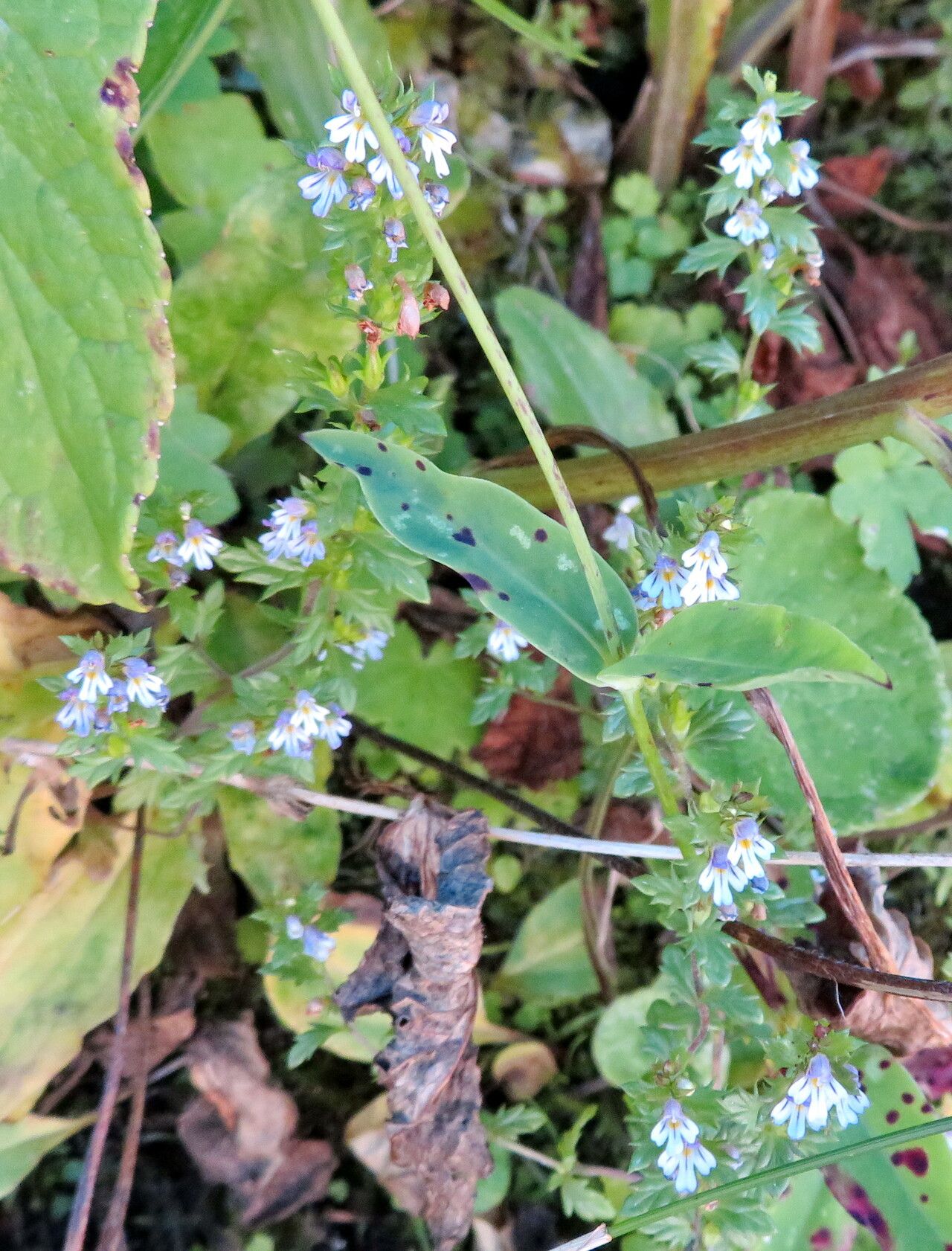
Euphrasia minima, commonly known as Least Eyebright, is a diminutive annual hemiparasitic plant belonging to the Orobanchaceae family. Its delicate, white or pale lilac flowers with yellow throats, borne on slender stems, make it a fascinating addition to rock gardens and alpine settings for those seeking unique flora. However, its hemiparasitic nature, meaning it derives some nutrients from host plants, adds a layer of complexity to its cultivation and propagation. This makes it particularly challenging compared to typical garden annuals, and thus, it is less widely grown despite its appeal to enthusiasts. Its rarity and unique characteristics contribute to its popularity among dedicated gardeners seeking horticultural challenges.
Seed Germination:
Currently, there are no known reliable methods for seed germination propagation of Euphrasia minima. The seeds are incredibly tiny and possess an unknown dormancy period, likely requiring specific environmental conditions not yet fully understood. Attempts at germination using standard techniques for similar species have yielded limited success. Further research into the seed’s germination requirements is necessary before this method becomes a viable option for propagation.
Cuttings:
Cuttings propagation for Euphrasia minima is challenging and largely unsuccessful. The plant’s delicate nature and hemiparasitic lifestyle make it difficult to root even under ideal conditions. The need for a host plant further complicates the process, as the cutting’s survival depends heavily on successful attachment and nutrient transfer from the host. Challenges include maintaining high humidity, providing a suitable host, and preventing fungal infections. Rewards, should rooting be achieved, would be limited to clone propagation, lacking the genetic diversity gained from seed.
Division:
Division is not applicable for propagating Euphrasia minima. As an annual plant, it completes its life cycle within a single growing season, leaving no viable structures for division at any stage.
Tissue Culture:
Tissue culture offers the most promising (though untested) avenue for propagating Euphrasia minima. Although techniques for related species exist, adapting these to Euphrasia minima would require significant research and experimentation to identify suitable media, growth regulators, and sterilization protocols. The rewards could include consistent high-volume propagation, which would benefit conservation efforts and wider access to this unique species. The challenges lie in the initial high cost and expertise required for successful tissue culture implementation, along with the possibility of genetic instability in the resulting plants.
Conclusion:
Propagating Euphrasia minima presents significant challenges across all common horticultural methods. Seed germination currently remains unreliable, cuttings offer little success, division is impossible, and tissue culture requires substantial research and development. However, the rewards for successful cultivation are significant, offering unique aesthetic value and contributing to the preservation of a fascinating plant species. The difficulty of the process underscores the unique satisfaction that comes from overcoming these obstacles. For aspiring propagators, we encourage persistence and patience. Perhaps focusing on research into tissue culture techniques, or collaboration with botanical organizations, would provide the most likely pathway to success, allowing us to enjoy this delicately beautiful wildflower more widely.