
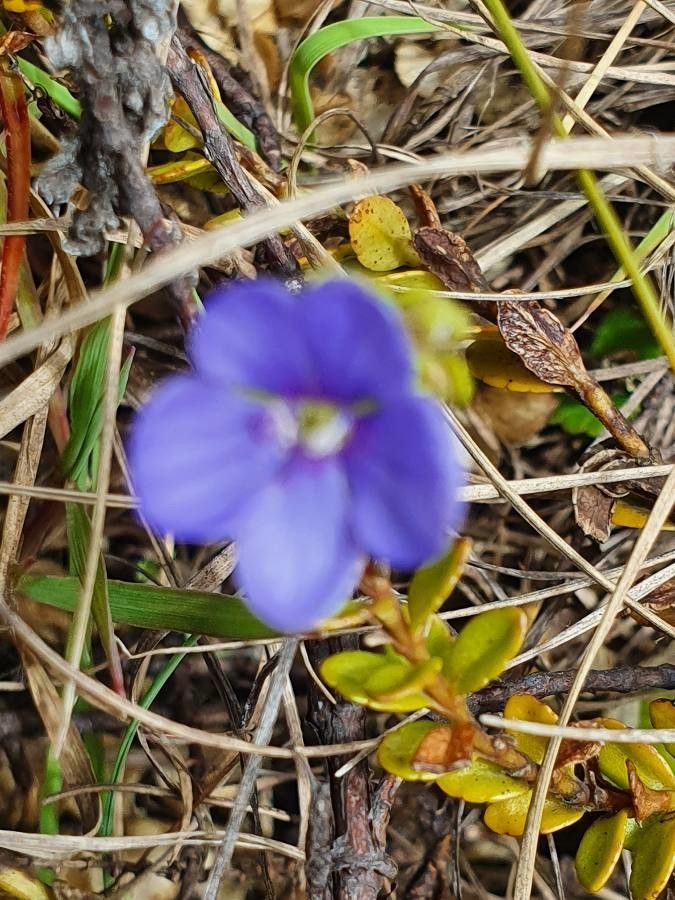
Propagating Veronica glandulosa: A Gardener’s Guide to the Glandular Speedwell
Veronica glandulosa, commonly known as glandular speedwell, is a charming herbaceous perennial prized for its vibrant spikes of blue, purple, or pink flowers. Its attractive, somewhat sprawling habit and relatively long flowering period make it a popular choice among gardeners for borders, rock gardens, and containers. However, its propagation isn’t always straightforward, presenting unique challenges and rewards for the enthusiastic plant lover. This article explores various propagation methods for Veronica glandulosa, outlining their feasibility and potential.
Seed Germination:
Currently, there are no known reliable methods for seed germination propagation of Veronica glandulosa. While the plant does produce seeds, their germination rate is notoriously low, and success is largely unpredictable. Factors such as seed dormancy and the specific requirements for germination haven’t been consistently documented to yield reliable results. Therefore, this method is not recommended for propagating Veronica glandulosa.
Cuttings:
Cuttings represent a more reliable method for propagating Veronica glandulosa.
Challenges: Success with cuttings hinges on timing and technique. Taking cuttings from healthy, actively growing stems is crucial. Using incorrect rooting hormones or failing to provide optimal humidity can lead to failure.
Tips: Take semi-hardwood cuttings in late spring or early summer. Use a sharp, clean knife or shears to make cuttings approximately 4-6 inches long, removing lower leaves. Dip the cut ends in rooting hormone and plant them in a well-draining propagation mix, keeping the humidity high (using a propagator or covering with a plastic bag). Maintain consistently moist, not soggy, conditions.
Rewards: Cuttings offer a relatively quick and efficient method to produce genetically identical plants to the mother plant. This is particularly valuable for preserving desirable traits.
Division:
Division is another successful method for increasing Veronica glandulosa numbers.
Challenges: This method works best when the plant is established and sufficiently large. Dividing too early or roughly can damage the plant’s root system, reducing chances of survival for both parent and offspring.
Tips: Divide the plant in spring or early autumn. Carefully lift the entire plant, separate it into sections, ensuring each section has healthy roots and shoots. Replant the divisions immediately, providing adequate watering and care during the establishment phase. Use a sharp, clean spade or knife to avoid injuring the roots.
Rewards: Division offers a relatively simple and effective way to obtain multiple plants from a single mother plant. It maintains the characteristics of the original plant, avoiding genetic variation seen in seed-grown plants.
Tissue Culture:
Tissue culture is a viable option, though it’s more complex and resource-intensive than other methods.
Challenges: This method requires specialized equipment, sterile conditions, and expertise in plant tissue culture techniques. The initial investment in setting up a lab and acquiring the necessary supplies can be substantial.
Tips: Sterile techniques are paramount. The appropriate plant growth hormones must be used to stimulate shoot and root development. Once successful shoots are established, they can be transferred into individual pots for further growth and acclimatization.
Rewards: Tissue culture offers a high potential for mass propagation and disease-free plantlets. It allows the rapid multiplication of rare or desirable cultivars.
Conclusion:
Propagating Veronica glandulosa presents varying levels of challenge depending on the chosen method. Seed germination is effectively unreliable. Cuttings and division offer more accessible and successful alternatives, while tissue culture provides a method for large-scale propagation, though with higher initial investment and specialized skills. The rewards, however, are well worth the effort. Successfully propagating any plant, particularly one as charming as Veronica glandulosa, brings a unique satisfaction, a feeling of connection to the natural world, and the pride of nurturing life from a small cutting or division into a thriving, flowering plant. Don’t be deterred by the initial hurdles; experiment with cuttings and division, and you’ll soon be enjoying the beauty of multiple glandular speedwells in your garden.