
Propagating Perezia pilifera: A Gardener’s Guide to a Challenging but Rewarding Plant
Introduction:
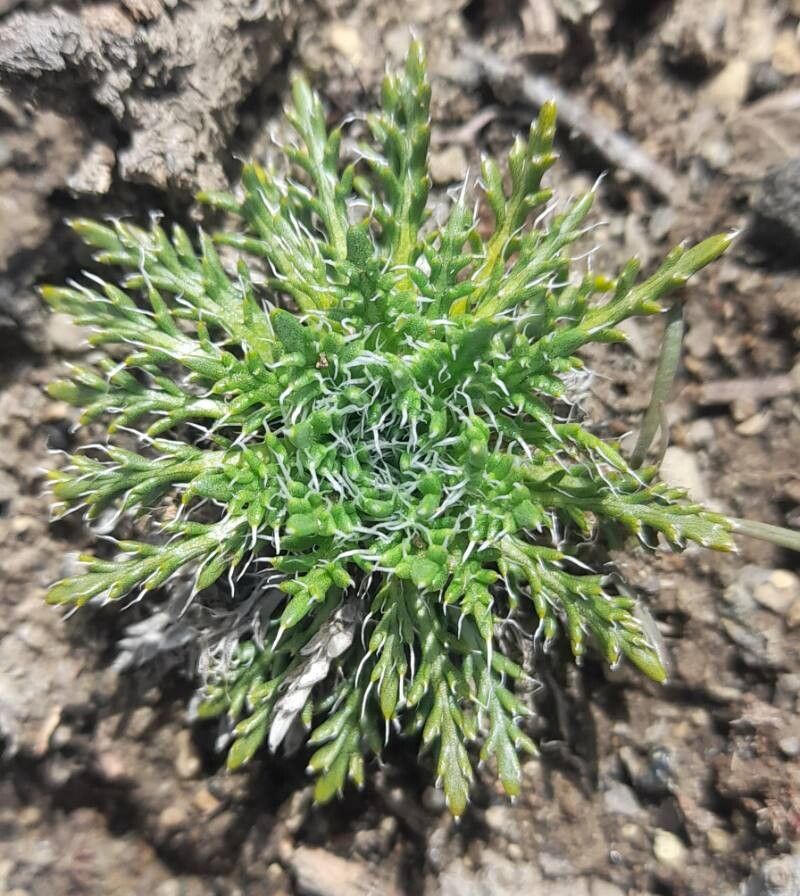
Perezia pilifera, also known as the woolly Perezia or sometimes just hairy Perezia, is a captivating South American native prized for its striking, silvery-hairy foliage and charming daisy-like flowers. Its relatively compact size and unique aesthetic make it a sought-after addition to rock gardens, alpine gardens, and containers. However, its propagation presents certain challenges for even experienced horticulturists, making successful cultivation all the more rewarding. Unlike some readily propagated plants, Perezia pilifera’s propagation isn’t widely documented, adding to its mystique.
Seed Germination:
Currently, there are no known reliable methods for seed germination propagation of Perezia pilifera. While seeds may be produced, their viability and germination rate are likely very low, hampered potentially by dormancy mechanisms or specific environmental requirements not yet understood. Further research is needed to determine if successful seed germination is possible.
Cuttings:
Challenges: Propagating Perezia pilifera from cuttings presents difficulties due to its potentially low rooting success rate. The hairy leaves may hinder rooting hormone uptake, and the plant’s sensitivity to root rot necessitates careful attention to hygiene and moisture levels.
Practical Tips: Softwood cuttings taken in spring, just as new growth emerges, might offer the best chance of success. The cuttings should be approximately 4-6 inches long, taken below a node. The lower leaves should be removed to prevent rotting. Dip cuttings in a rooting hormone containing fungicide before planting in a well-draining, sterile propagation mix (e.g., a mixture of perlite and vermiculite). Maintain high humidity using a propagation dome or plastic bag, providing bottom heat if available.
- Rewards: Successful cutting propagation allows for the preservation of desirable characteristics of a mother plant and offers a relatively simple, albeit challenging, method for small-scale propagation.
Division:
Challenges: Division is likely the most feasible method, and even then may be limited by the plant’s growth habit. Perezia pilifera may not readily produce ample offsets suitable for division. Damage to the root system during division can also prove fatal.
Practical Tips: Division should be attempted during the dormant season (typically late autumn or early spring) when the plant is less actively growing. Carefully dig up the entire plant, gently tease apart the rootball into separate sections, ensuring each division has a healthy root system and sufficient foliage. Replant the divisions immediately, ensuring adequate spacing.
- Rewards: Division offers a reliable method for increasing the number of plants, provided the plant is mature enough to allow division without significant stress.
Tissue Culture:
Challenges: Tissue culture propagation of Perezia pilifera is complex and requires specialized equipment and expertise. Developing appropriate media formulations for optimal growth and avoiding contamination will be crucial. Limited research in this area necessitates a significant investment of time and resources.
Practical Tips: This method would require extensive experimentation to identify suitable hormones and media to initiate and maintain growth in sterile conditions. Aseptic technique is critically important.
- Rewards: Successful establishment of a tissue culture protocol would enable large-scale propagation of Perezia pilifera, potentially unlocking its wider availability to gardeners.
Conclusion:
Propagating Perezia pilifera presents several challenges, primarily due to the lack of readily available information and the plant’s apparent sensitivity to propagation methods. While seed germination remains unproven, cuttings and, more reliably, division offer viable, albeit demanding, paths towards increasing your stock. Tissue culture remains a largely unexplored avenue but holds the potential for large-scale propagation. The unique satisfaction derived from successfully cultivating this challenging plant, however, is a significant reward. The dedication required encourages careful observation and a deep understanding of the plant’s needs, making the eventual success all the more fulfilling for the determined gardener. For aspiring propagators, patience, meticulous attention to detail, and a willingness to experiment are key to achieving success with this captivating species.