
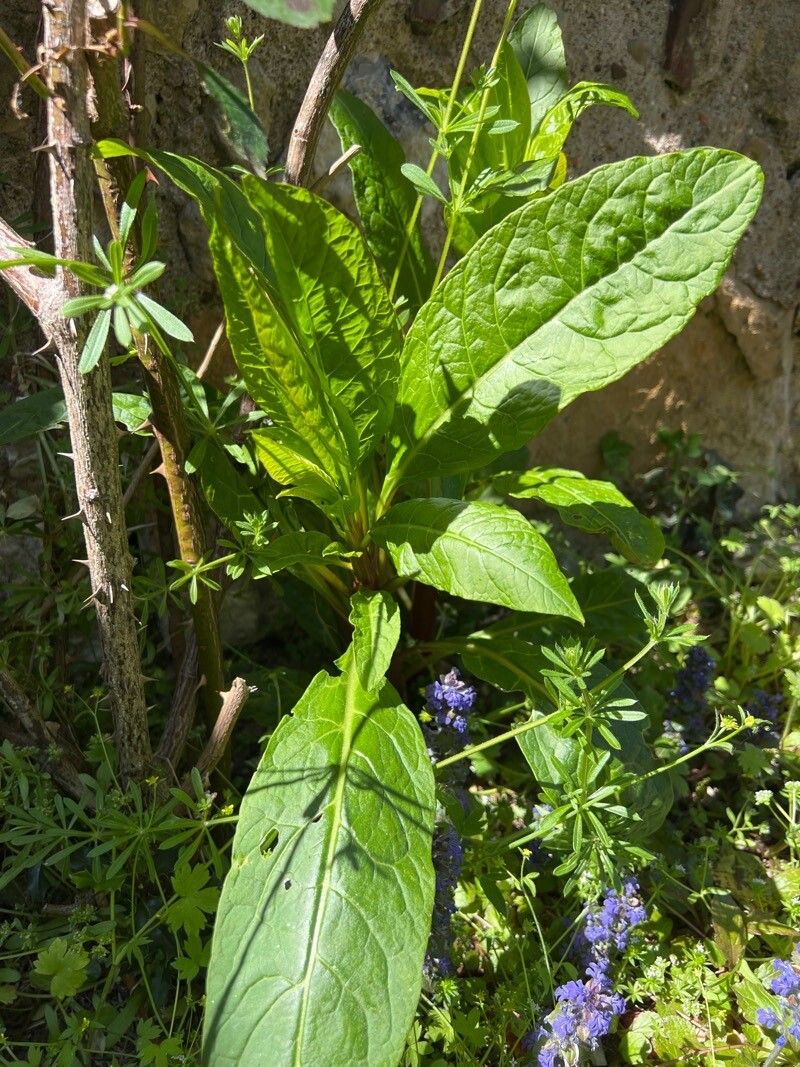
Propagating Ditch Stonecrop (Penthorum sedoides): A Gardener’s Guide
Introduction:
Penthorum sedoides, commonly known as ditch stonecrop, is a charming, unassuming perennial native to North America. Its succulent, lance-shaped leaves and delicate, star-shaped flowers make it a desirable addition to bog gardens, rain gardens, or moist areas of the landscape. While not as flashy as some garden plants, its adaptability and tolerance for wet conditions make it particularly valuable in specific landscaping scenarios. Its relative ease of propagation, through methods other than seed, also adds to its appeal amongst gardeners.
Seed Germination:
Currently, there are no known reliable methods for seed germination propagation of Penthorum sedoides. While seeds may be produced, germination rates are reportedly extremely low, making this method impractical for successful propagation. Further research into the specific germination requirements of this species is needed.
Cuttings:
- Challenges: Stem cuttings of Penthorum sedoides are a relatively straightforward method, but success relies on maintaining consistent moisture and warmth. Rot is a potential issue if the cuttings are not well-drained.
- Practical Tips: Take semi-hardwood cuttings in late spring or early summer. Cuttings should be 4-6 inches long, taken from non-flowering stems. Remove lower leaves, dip the cut ends in rooting hormone, and plant them in a well-draining mix (e.g., perlite and peat moss). Maintain high humidity by covering the cuttings with a plastic bag or dome. Keep the soil consistently moist but not soggy. Rooting usually takes several weeks to a few months.
- Rewards: This is a relatively quick and easy method to produce several new plants from a single mother plant. It allows for the rapid increase in the number of plants.
Division:
- Challenges: Division works best when the plant is actively growing during the spring or early summer. Care must be taken to avoid damaging the roots, which can hinder the establishment of new plants.
- Practical Tips: Carefully dig up the established plant, gently separate the root clumps, ensuring each division has healthy roots and several stems. Replant the divisions immediately in moist, well-drained soil, ensuring sufficient spacing.
- Rewards: Division is a simple, reliable method to increase the number of plants. It also helps rejuvenate mature plants that may be overcrowded. Existing genetic diversity is preserved.
Tissue Culture:
- Challenges: Tissue culture is a complex method requiring specialized equipment, sterile conditions, and expertise in plant tissue culture techniques. It is generally not a practical method for home gardeners.
- Practical Tips: This method would involve sterilizing plant material, culturing it on a nutrient agar medium under sterile conditions, and then carefully transferring the developing plantlets to potting mix. This would be a process requiring significant laboratory setup, training, and materials.
- Rewards: Tissue culture offers the potential for large-scale propagation and the elimination of diseases. However, the high initial setup cost and skilled labor requirement make it impractical for most amateur gardeners.
Conclusion:
Propagating Penthorum sedoides presents certain challenges, primarily concerning successful seed germination. However, cuttings and division offer viable and straightforward alternatives for any gardener wishing to expand their collection of this delightful plant. While the complexities of tissue culture might seem daunting, the simpler methods prove effective and rewarding. The satisfaction of successfully nurturing a cutting or division to a thriving plant, after overcoming a modest propagation hurdle, is a unique accomplishment that deepens one’s connection to the natural world. For those wanting to expand their ditch stonecrop population, give cuttings and division a try; the results will be well worth the effort.