
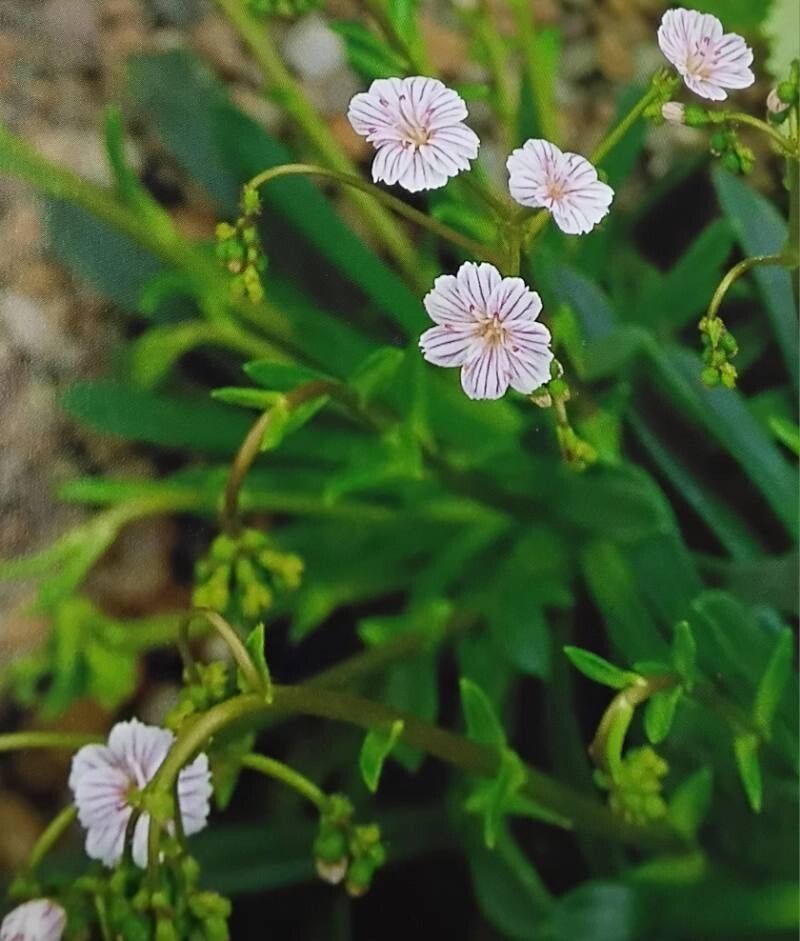
Propagating Lewisia columbiana: The Challenges and Rewards of Cultivating the Bitterroot
Lewisia columbiana, commonly known as Bitterroot, is a captivating alpine plant prized for its vibrant, succulent foliage and delicate, star-shaped flowers. Native to the rocky slopes of western North America, its resilience and striking beauty have earned it a place of honor in many rock gardens and alpine troughs. However, propagating this tenacious beauty presents unique challenges, making successful cultivation a rewarding endeavor for the dedicated gardener. Its popularity among gardeners stems from its unique hardiness, ability to thrive in difficult conditions, and the stunning display of blossoms. The challenge lies in replicating its natural environment for successful propagation.
Seed Germination:
Seed germination for Lewisia columbiana is viable, but far from straightforward. The primary challenge lies in the seeds’ need for stratification – a period of cold, moist treatment mimicking winter conditions. Without this, germination rates are significantly low.
- Challenges: Slow germination, low germination rates if stratification is not meticulously performed, and susceptibility to fungal diseases in damp conditions.
- Practical Tips: Collect seeds as soon as they are mature, ideally in the late summer or early autumn. Sow seeds in a well-drained seed-starting mix, barely covering them with soil and maintaining consistent moisture. Stratify seeds for 6-8 weeks at temperatures around 35-40°F (2-4°C) before moving them to a brighter, warmer location. Use a well-ventilated container to minimize the risk of damping off.
- Rewards: Seed germination offers the potential for increased genetic diversity, creating unique variations amongst your plants. It also allows for large-scale propagation, though patience is required.
Cuttings:
Currently, there are no known reliable methods for propagating Lewisia columbiana through cuttings. The succulent leaves are difficult to root, and attempts generally result in failure.
Division:
Division is a viable and often successful method for propagating Lewisia columbiana. Established plants, after several years of growth, can be carefully divided, separating the root clumps into smaller sections, each containing several healthy rosettes.
- Challenges: Dividing the roots can easily damage the sensitive plant, potentially leading to rot or failure to re-establish. The ideal time for division is during the dormant period, typically in early spring or autumn.
- Practical Tips: Dig up the plant carefully. Use a sharp, clean knife or spade to meticulously separate the root sections, ensuring each division has numerous healthy roots and rosettes. Plant divided sections immediately in well-drained soil, mimicking the plant’s natural environment. Avoid overwatering in the weeks following division.
- Rewards: Division offers a faster and more reliable method of propagation compared to seed germination, maintaining the genetic characteristics of the parent plant.
Tissue Culture:
Tissue culture techniques offer the potential for propagating Lewisia columbiana, particularly when large numbers of uniform plants are needed for commercial purposes. However, specialized knowledge, sterile laboratory conditions, and specialized equipment are required.
- Challenges: Requires sophisticated laboratory facilities, expertise in sterile techniques, and can be expensive. Successful establishment of sterile cultures can be challenging and requires careful handling.
- Practical Tips: This method is best left to professional nurseries or plant tissue culture laboratories.
- Rewards: Allows for large-scale propagation of genetically identical plants, rapid multiplication, and the potential for disease elimination.
Conclusion:
Propagating Lewisia columbiana presents a unique set of challenges but offers profound rewards. While seed germination necessitates patience and expertise in stratification, and cuttings prove unreliable, division provides a more manageable approach for home gardeners. Tissue culture is best left to professionals. Successfully nurturing a bitterroot from seed, division, or even through tissue culture, however, yields immense satisfaction. The difficulties involved only enhance the pride one feels upon witnessing the delicate beauty of these alpine gems thriving under your care. For aspiring propagators, patience, attention to detail, and a careful understanding of the plant’s specific needs are key to success. Don’t be discouraged by initial setbacks; the perseverance will be worthwhile.