
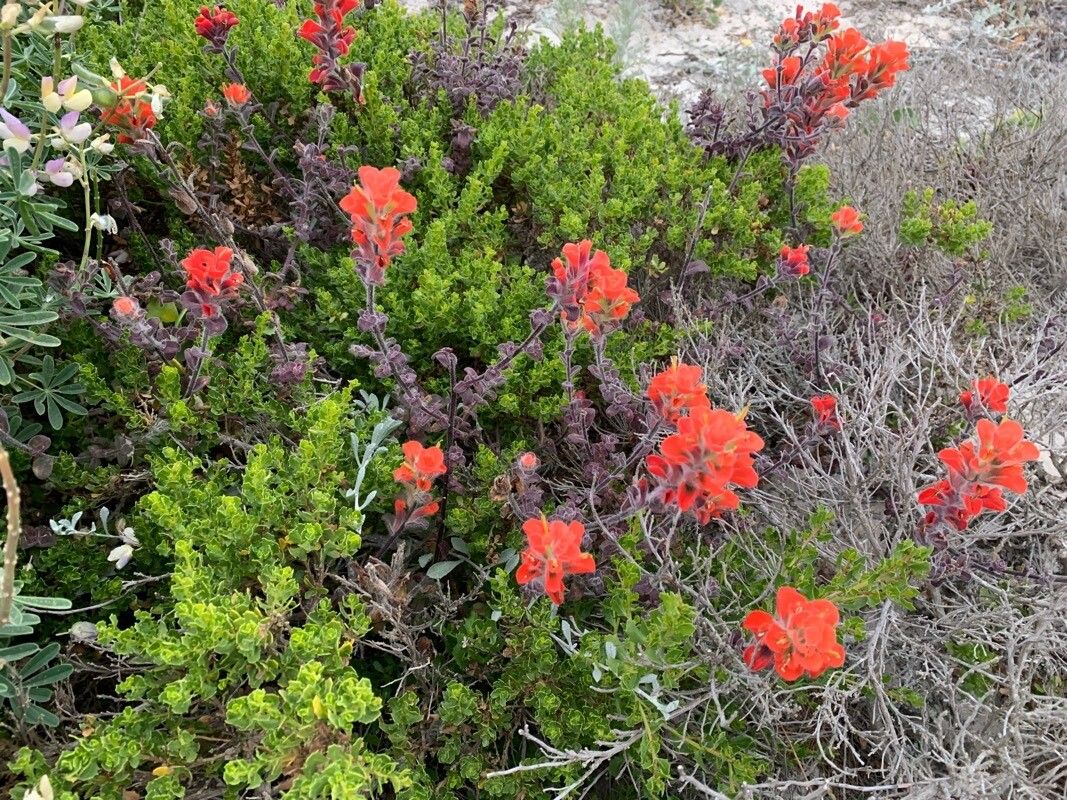
Propagating Mendocino Indian Paintbrush (Castilleja mendocinensis): A Gardener’s Challenge
Introduction:
Castilleja mendocinensis, commonly known as Mendocino Indian Paintbrush, is a captivating native Californian wildflower prized for its vibrant, scarlet bracts that mimic flowers. Its unique beauty makes it a highly desirable addition to native plant gardens, attracting both pollinators and the admiration of gardeners. However, propagating this species presents unique challenges due to its obligate hemiparasitic nature – it requires a host plant to survive. This dependence makes conventional propagation methods more difficult compared to freely growing plants. Its popularity among gardeners, coupled with its limited distribution in the wild, underscores the importance of developing successful propagation techniques.
Seed Germination:
Currently, there are no known reliable methods for seed germination propagation of Castilleja mendocinensis. The very low germination rates observed in various Castilleja species, coupled with the plant’s parasitic nature and exacting environmental requirements, make successful seed germination exceptionally difficult. Further research is needed to identify specific germination triggers and optimal conditions that may improve the odds.
Cuttings:
Propagating Castilleja mendocinensis from cuttings presents significant challenges. While some Castilleja species have shown limited success with stem cuttings, the success rate is generally low. The difficulty stems mainly from the plant’s parasitic nature; the cutting needs to establish a connection with a suitable host plant before it can sufficiently acquire nutrients and survive. Even with the presence of a suitable host, the cutting’s low success rate makes this method impractical for large-scale propagation.
Division:
Division is also a challenging method for propagating Castilleja mendocinensis. Due to the plant’s relatively small root system and its delicate nature, dividing the plant risks significant damage, potentially leading to the death of both the parent plant and the divisions. Furthermore, successfully establishing the divisions requires careful attention to soil conditions, sufficient moisture, and proximity to a compatible host plant.
Tissue Culture:
Tissue culture offers the most potential for successful large-scale propagation of Castilleja mendocinensis, albeit with its own difficulties. Establishing sterile cultures from this species would likely require significant expertise in plant tissue culture techniques. Additionally, ensuring the survival and growth of the plantlets would necessitate the presence of a host plant’s root system within the culture medium, a technical hurdle that requires further investigation. While theoretically promising for producing large numbers of genetically identical plants, the technical complexities and specialized equipment needed render this method expensive and currently inaccessible to most gardeners.
Conclusion:
Propagating Castilleja mendocinensis presents significant challenges across all commonly used methods. Seed germination is currently unreliable, while cuttings and division offer only limited success due to the plant’s obligate hemiparasitic nature and delicate root system. Tissue culture holds the greatest promise for large-scale propagation, but requires advanced skills and resources.
Despite the difficulties, the unique beauty and ecological importance of Mendocino Indian Paintbrush make the effort rewarding. The satisfaction of successfully propagating this species, whether through a fortunate cutting, a meticulously managed tissue culture, or a serendipitous germination, is amplified by the awareness of the challenges overcome. Aspiring propagators should focus on researching the specific needs of the plant, patiently experimenting with different approaches, and collaborating with experts in the field of native plant propagation to increase the chances of success. While the journey might be arduous, the flourishing of this vibrant wildflower in your garden will be a testament to your dedication and a significant contribution to the conservation of this remarkable species.