
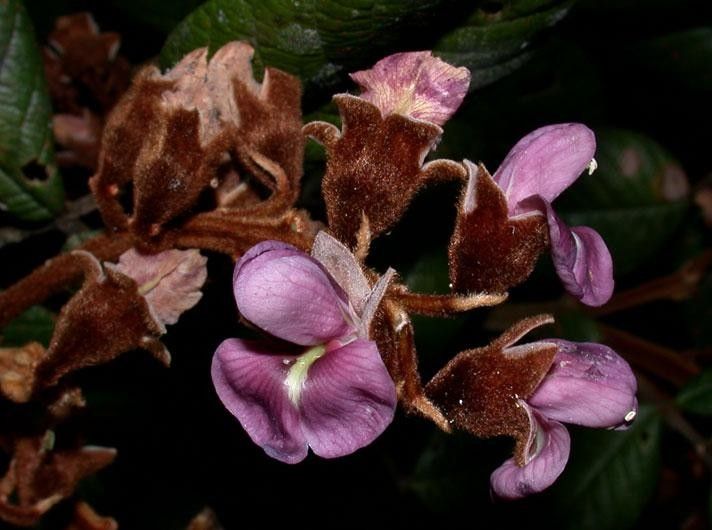
Propagating Ormosia velutina: A Gardener’s Challenge
Ormosia velutina, commonly known as the Velvet Ormosia or simply Velvet Bean, is a captivating plant prized for its striking, vibrant foliage and, in some species, its stunning seed pods containing bright, jewel-toned seeds. The plant’s rarity and unique beauty have made it a coveted addition to many specialist plant collections, fueling interest in its propagation. However, successfully propagating Ormosia velutina presents unique challenges for even the most experienced gardeners. This article explores the various propagation methods available, outlining their feasibility and outlining the rewards of perseverance.
Seed Germination:
Currently, there are no known reliable methods for seed germination propagation of Ormosia velutina. While some anecdotal evidence suggests germination might be possible under specific, yet undocumented conditions, the lack of consistent success renders seed propagation unreliable. Further research is needed to determine if specific pre-treatments, such as scarification or stratification, could improve germination rates. The potential rewards, however, are significant: seed germination offers the opportunity to generate genetically diverse plants, crucial for the long-term health and resilience of Ormosia populations.
Cuttings:
Propagating Ormosia velutina from cuttings presents a more promising avenue, although success is not guaranteed. Challenges include the plant’s potential for slow rooting and susceptibility to fungal diseases during the propagation process.
Practical tips:
- Timing: Take semi-hardwood cuttings in late spring or early summer when new growth has matured.
- Technique: Use a sharp, clean blade to take cuttings approximately 4-6 inches long, removing lower leaves to prevent rotting. Treat the cut end with a rooting hormone to encourage root development.
- Medium: Plant cuttings in a well-draining mix of perlite and peat moss, maintaining consistently moist but not waterlogged conditions. A humidity dome can significantly improve success rates by maintaining high humidity levels, critical for preventing desiccation.
- Environment: Place cuttings in a warm, brightly lit location (but avoid direct sunlight) and monitor carefully for signs of rooting, which can take several weeks or even months.
Rewards: Successfully rooting cuttings offers a quicker route to producing new plants compared to other methods, and allows for the propagation of desirable genetic traits.
Division:
Division is generally not a feasible method for propagating Ormosia velutina. The plant’s root system is typically not easily divided without causing substantial damage to the parent plant, rendering division highly impractical and risky.
Tissue Culture:
Tissue culture offers the potential for large-scale propagation of Ormosia velutina, bypassing many of the challenges associated with other methods. However, this technique requires specialized equipment, sterile conditions, and expertise in plant tissue culture, making it accessible primarily to research institutions or commercial nurseries.
Challenges: Establishing aseptic conditions and developing appropriate nutrient media for Ormosia velutina may require significant experimentation and refinement.
Rewards: Tissue culture allows for rapid multiplication of plants, the production of disease-free plants, and the preservation of rare or endangered genotypes.
Conclusion:
Propagating Ormosia velutina presents significant challenges, with cuttings offering the most realistic pathway for the home gardener. While seed germination remains elusive and division impractical, tissue culture holds potential for large-scale replication. The unique difficulties associated with cultivating this plant contribute significantly to the satisfaction of achieving successful propagation. The dedication and patience required are well rewarded by the beauty and rarity of this remarkable species. Don’t be discouraged by initial setbacks; careful attention to detail and persistent experimentation will eventually yield results, giving you the immense satisfaction of nurturing a plant of exceptional charm from a cutting or, hopefully one day, from seed.