
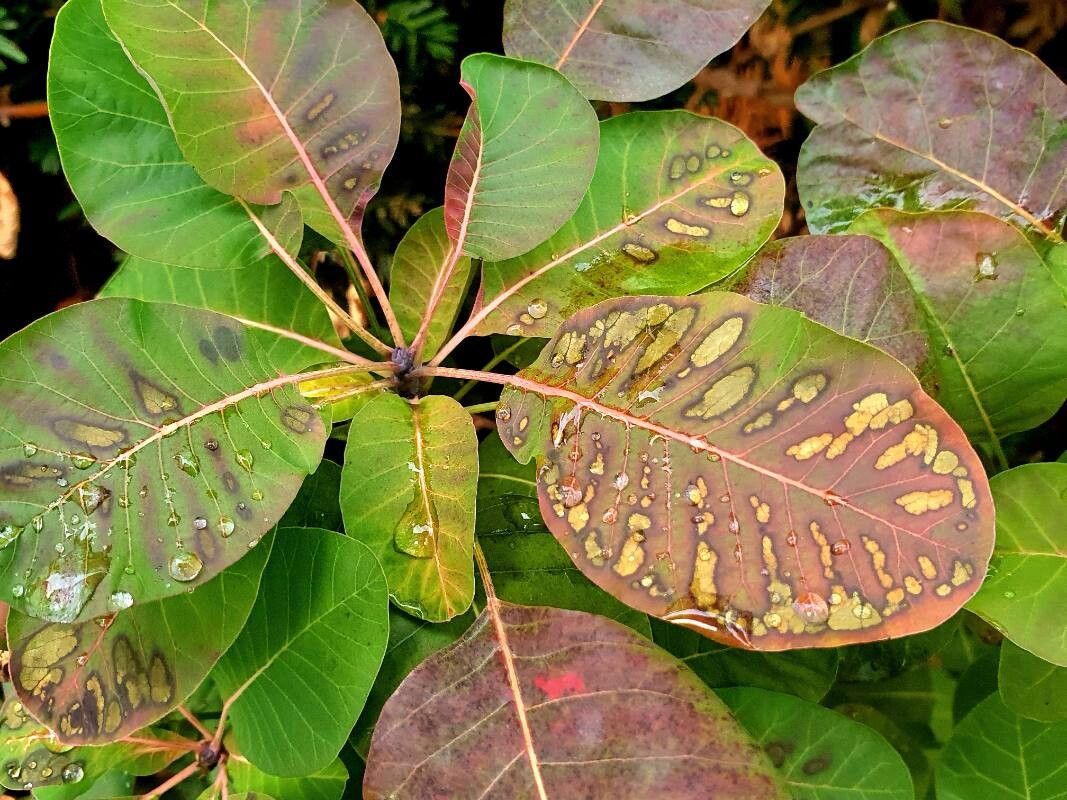
Propagating Cotinus coggygria: The Art of Growing Smoke Bush
Cotinus coggygria, commonly known as Smoke Bush, is a captivating deciduous shrub cherished for its airy, cloud-like plumes of flowers that appear in summer. These "smoke" plumes, ranging from pale pink to deep purple depending on the cultivar, coupled with its vibrant autumn foliage, make it a highly sought-after addition to gardens worldwide. Its tolerance to various soil conditions and relative ease of care contribute to its popularity, yet its propagation presents unique challenges and rewards. The unique texture and appearance of the plant make successful propagation all the more satisfying.
Seed Germination:
Currently, there are no known reliable methods for seed germination propagation of Cotinus coggygria. While seeds are produced, their germination rate is notoriously low and unpredictable, even with stratification techniques. The viability of seeds can be greatly impacted by environmental factors. Therefore, relying on seed germination for propagating Smoke Bush is generally not recommended for practical purposes.
Cuttings:
Propagating Cotinus coggygria via cuttings is a more reliable method than seed germination. However, challenges still exist.
Challenges: Successful rooting of cuttings requires specific conditions. Hardwood cuttings taken in late winter or early spring have a higher success rate than softwood cuttings. However, even then, rooting can be slow and unreliable, with only a moderate percentage of cuttings successfully developing roots.
Practical Tips: Use semi-hardwood cuttings taken from new growth in early summer or hardwood cuttings from the previous season’s growth. Dip cuttings in rooting hormone before planting in a well-draining, moist propagation mix (e.g., peat moss and perlite). Maintain high humidity using a propagation dome or plastic bag. Consistent warmth and bottom heat significantly improve rooting success. Patience is crucial, as rooting can take several weeks or even months.
Rewards: Successfully rooted cuttings from a mother plant will produce genetically identical offspring, ensuring the desirable characteristics of the cultivar are maintained. This is a significant advantage over seed propagation.
Division:
Dividing established Smoke Bush plants is a relatively straightforward method, especially for smaller specimens.
Challenges: Mature, larger plants can be difficult to divide, and the process can potentially damage the root system, hindering the plants’ ability to re-establish. Careful handling is essential to prevent root shock.
Practical Tips: Divide in early spring or late autumn when the plant is dormant. Ensure each division has a healthy section of roots and numerous stems. Plant the divisions immediately after separating them, keeping the soil moist to aid establishment.
Rewards: This method allows for quick multiplication of the desired cultivar, and avoids the lengthy process of rooting cuttings.
Tissue Culture:
Tissue culture offers the potential for large-scale propagation of Cotinus coggygria, but it’s a specialized technique demanding sterile conditions and expertise.
Challenges: Establishing a sterile tissue culture laboratory and mastering the specific protocols for Cotinus coggygria requires specialized training and equipment. The process is more complex and expensive than the other methods.
Practical Tips: Obtain advice from a tissue culture specialist experienced with woody plant propagation. Sterile techniques must be maintained throughout.
Rewards: Tissue culture allows for the rapid and mass production of clones, maintaining consistent genetic characteristics. It also allows for the rescue and propagation of rare or endangered cultivars.
Conclusion:
Propagating Cotinus coggygria presents a unique set of challenges, yet the rewards of successfully cultivating this beautiful shrub are undeniable. While seed propagation is largely unreliable, cuttings and division offer viable options for the home gardener, with cutting propagation proving the most reliable approach. Tissue culture provides a pathway for large-scale propagation, but requires specialized expertise and facilities. The patience and dedication required to successfully propagate Smoke Bush contribute to the deeply satisfying feeling of nurturing these plants from a cutting or division into a flourishing specimen. For those willing to heed the advice and apply the proper techniques, the rewards are well worth the effort.