
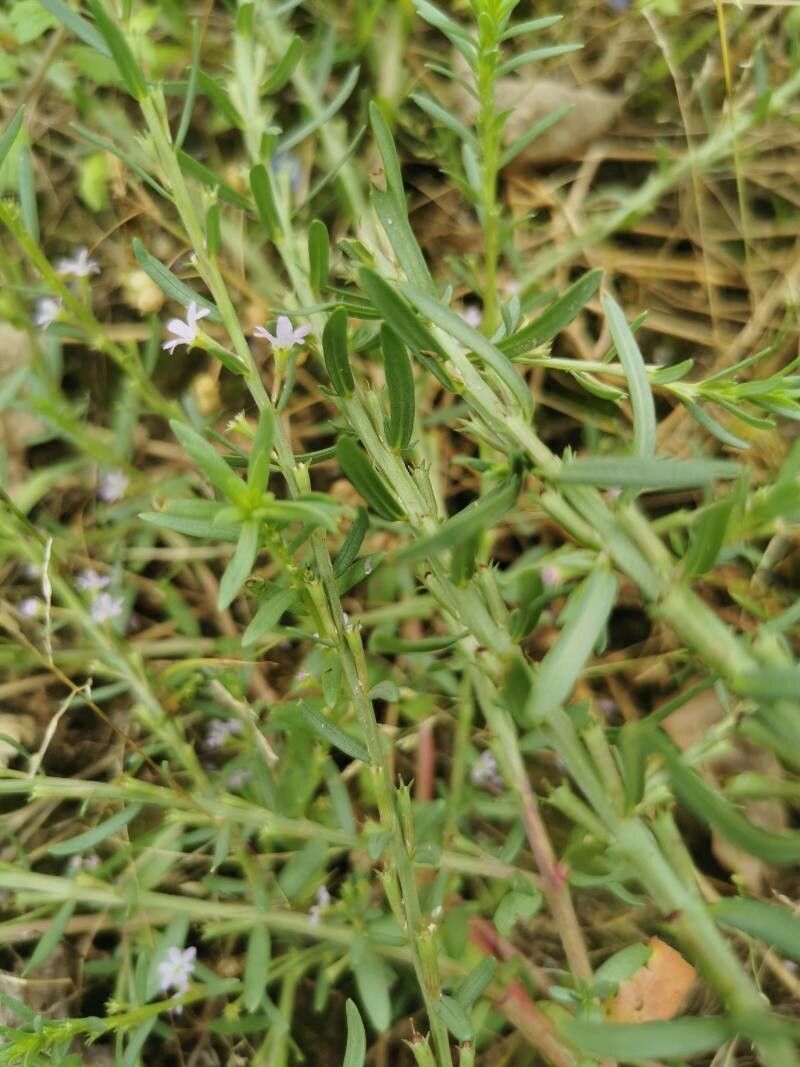
Propagating Lythrum thymifolia: A Gardener’s Guide to the Creeping Loosestrife
Introduction:
Lythrum thymifolia, commonly known as creeping loosestrife or small loosestrife, is a charming, low-growing perennial boasting small, delicate purple flowers. Its trailing habit makes it ideal for ground cover, edging, or spilling over walls and containers. This relatively undemanding plant is gaining popularity among gardeners for its ease of care and attractive blooms. However, propagation can present some unique challenges, making successful cultivation all the more rewarding. This article explores different propagation techniques for Lythrum thymifolia, weighing their advantages and difficulties.
Seed Germination:
Currently, there are no known reliable methods for seed germination propagation of Lythrum thymifolia. While the plant produces seed, the germination rate is extremely low, making this method impractical for most gardeners. Further research into specific germination requirements may be needed to unlock this potential avenue of propagation.
Cuttings:
Cuttings represent a highly viable method for propagating Lythrum thymifolia.
Challenges: While relatively straightforward, success depends on timing and technique. Using semi-hardwood cuttings is generally recommended. Using rooting hormones can improve success rates but is not strictly necessary.
Practical Tips: Take 4-6 inch cuttings from non-flowering stems in late spring or early summer. Remove lower leaves, dip the cut end in rooting hormone (optional), and plant in a well-draining propagation mix. Maintain consistently moist (but not waterlogged) conditions and high humidity (e.g., using a humidity dome or propagator). Keep the cuttings in bright, indirect light. Roots should develop within 4-6 weeks.
- Rewards: Cuttings offer a relatively quick and easy way to increase the number of plants. It accurately replicates the parent plant’s characteristics, ensuring consistent quality.
Division:
Division is another effective method for propagating Lythrum thymifolia.
Challenges: The best time for division is during spring or early autumn when the plant is actively growing but not flowering. Care must be taken to avoid damaging the delicate roots.
Practical Tips: Carefully dig up the established plant and gently separate it into smaller sections, ensuring each division has healthy roots and several stems. Replant these divisions immediately, ensuring they have adequate spacing. Water thoroughly after planting.
- Rewards: Division is a simple and efficient method, particularly for larger, established plants. It enables rapid multiplication and can rejuvenate older plants by removing congested root systems.
Tissue Culture:
While tissue culture is a possibility for Lythrum thymifolia, it’s not a commonly practiced method for home gardeners due to its complexity and the specialized equipment and expertise required.
Challenges: Establishing sterile conditions, selecting appropriate media and growth regulators, and maintaining aseptic techniques throughout the process are all significant challenges.
Practical Tips: This method requires specialized laboratory equipment and knowledge. For home gardeners, it is generally not practical.
- Rewards: Tissue culture offers the potential for rapid large-scale propagation and the elimination of diseases. It also allows for the preservation of rare or valuable genotypes.
Conclusion:
Propagating Lythrum thymifolia presents both challenges and rewards. While seed germination is currently unreliable, cuttings and division offer practical and successful methods for the home gardener. The rewards of successfully propagating this attractive plant – whether through the satisfaction of rooting a cutting or the joy of dividing a healthy clump – are substantial. The relative ease of cuttings and division, combined with the plant’s pleasing aesthetic qualities, make it a rewarding subject for propagation, even accounting for the initial learning curve. Don’t be discouraged by challenges; persistent effort will lead to success and the immense satisfaction of nurturing life from a small cutting or a divided root.