
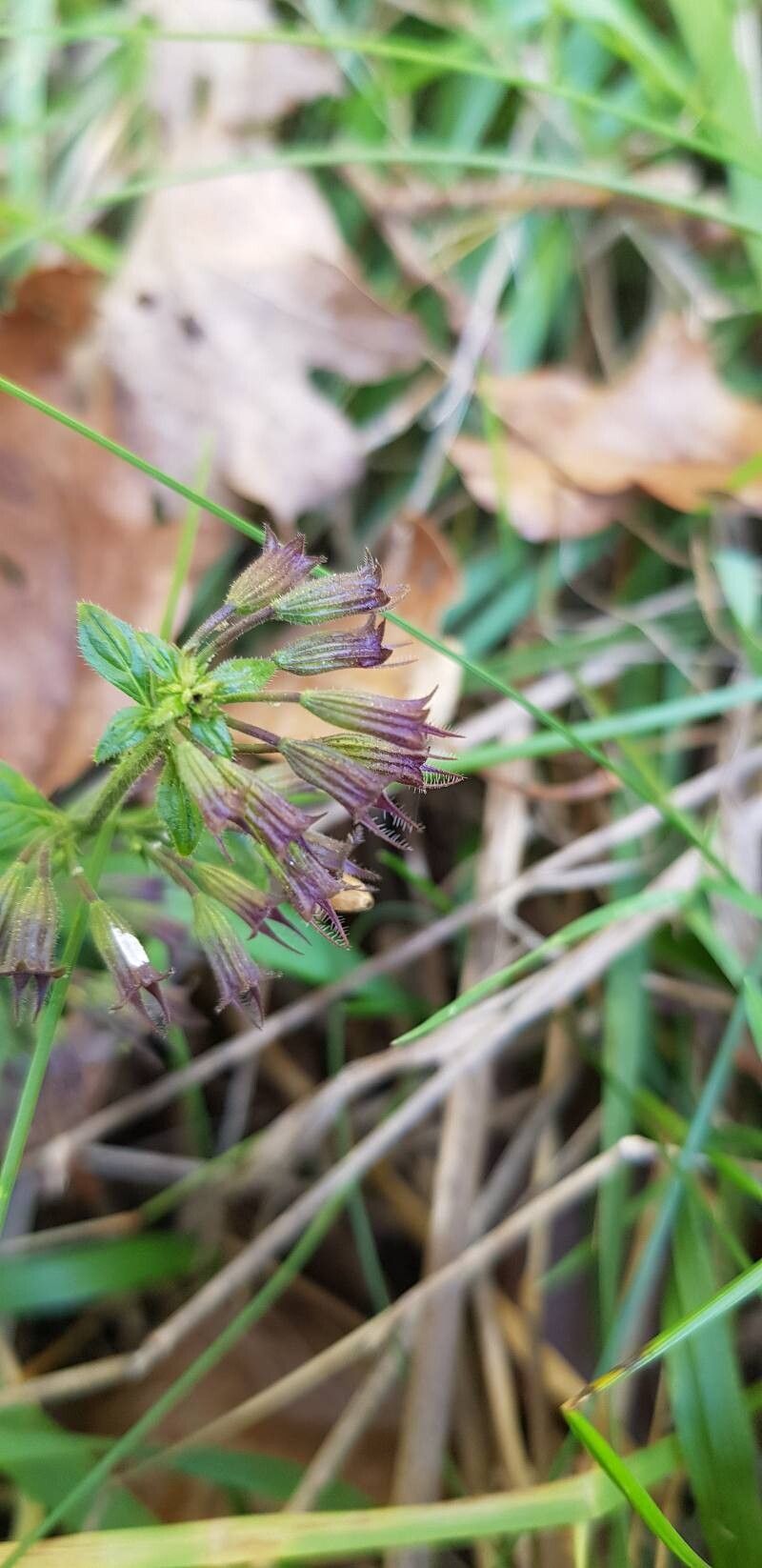
Propagating Clinopodium nepeta: A Gardener’s Guide to Calamint
Introduction
Clinopodium nepeta, commonly known as Calamint, is a delightful herbaceous perennial prized for its aromatic foliage and attractive lavender-pink flowers. Its mounding habit and tolerance of diverse conditions—from full sun to partial shade—make it a popular choice among gardeners, particularly those seeking low-maintenance, pollinator-friendly additions to their landscapes. Calamint’s ease of propagation through vegetative methods further contributes to its widespread appeal, although successful seed propagation can be challenging. This guide explores various propagation techniques for this charming plant.
Seed Germination:
Currently, there are no known reliable methods for seed germination propagation of Clinopodium nepeta. While Calamint does produce seeds, germination rates are notoriously low and unpredictable. This is likely due to factors such as seed dormancy and the need for specific germination conditions that are difficult to replicate consistently in a home setting. Therefore, gardeners seeking to propagate Calamint are generally advised to explore the vegetative methods detailed below.
Cuttings:
- Challenges: While relatively straightforward, success with Calamint cuttings hinges on maintaining consistently moist conditions and preventing fungal infections. Hardwood cuttings are generally less successful than softwood or semi-hardwood.
- Practical Tips: Take softwood or semi-hardwood cuttings in spring or early summer from non-flowering stems. Remove lower leaves, dip the cut ends in rooting hormone, and plant them in a well-draining propagation mix that retains moisture. Maintain high humidity (e.g., using a propagator or covering with a plastic bag), ensuring good air circulation to prevent rot. Rooting usually takes several weeks.
- Rewards: Cuttings offer a relatively quick and reliable method for propagating Calamint, producing genetically identical offspring to the parent plant. This is ideal for preserving desirable traits.
Division:
- Challenges: Division is most effective when the plant is well-established and relatively large. Dividing too small a clump can lead to weak, slow-growing plants. Care must be taken to avoid damaging the roots during the process.
- Practical Tips: Divide Calamint in spring or autumn. Dig up the entire plant, carefully separate it into smaller clumps, ensuring each division has healthy roots and several stems. Replant the divisions immediately, providing ample watering to help them establish.
- Rewards: Division is a simple and rapid way to increase the number of Calamint plants, particularly suited to established plants. Like cuttings, division generates genetically identical offspring.
Tissue Culture:
- Challenges: This method requires specialized equipment, a sterile environment, and technical expertise in plant tissue culture techniques. This is not a practical method for most home gardeners.
- Practical Tips: Tissue culture propagation involves growing new plants from small pieces of plant tissue in a nutrient-rich sterile medium. While this technique can potentially produce a large number of plants rapidly and consistently, it is generally only undertaken by commercial nurseries or research institutions due to its complexity and cost.
- Rewards: Tissue culture provides the opportunity for mass propagation, disease elimination, and the preservation of rare or endangered varieties.
Conclusion:
Propagating Calamint presents both challenges and rewarding experiences. While seed germination is unreliable, vegetative propagation through cuttings and division provides accessible and successful methods for home gardeners. While the vegetative methods are generally straightforward, attention to detail, particularly in maintaining adequate moisture and preventing rot, is crucial for success. The satisfying culmination of nurturing a small cutting or division into a thriving Calamint plant more than compensates for the effort invested. The unique fragrance and beauty of this plant, combined with the self-sufficiency of growing it from a cutting or division, truly makes the experience rewarding. Don’t be discouraged by initial setbacks – with patience and persistence, aspiring propagators can successfully cultivate this delightful perennial.