
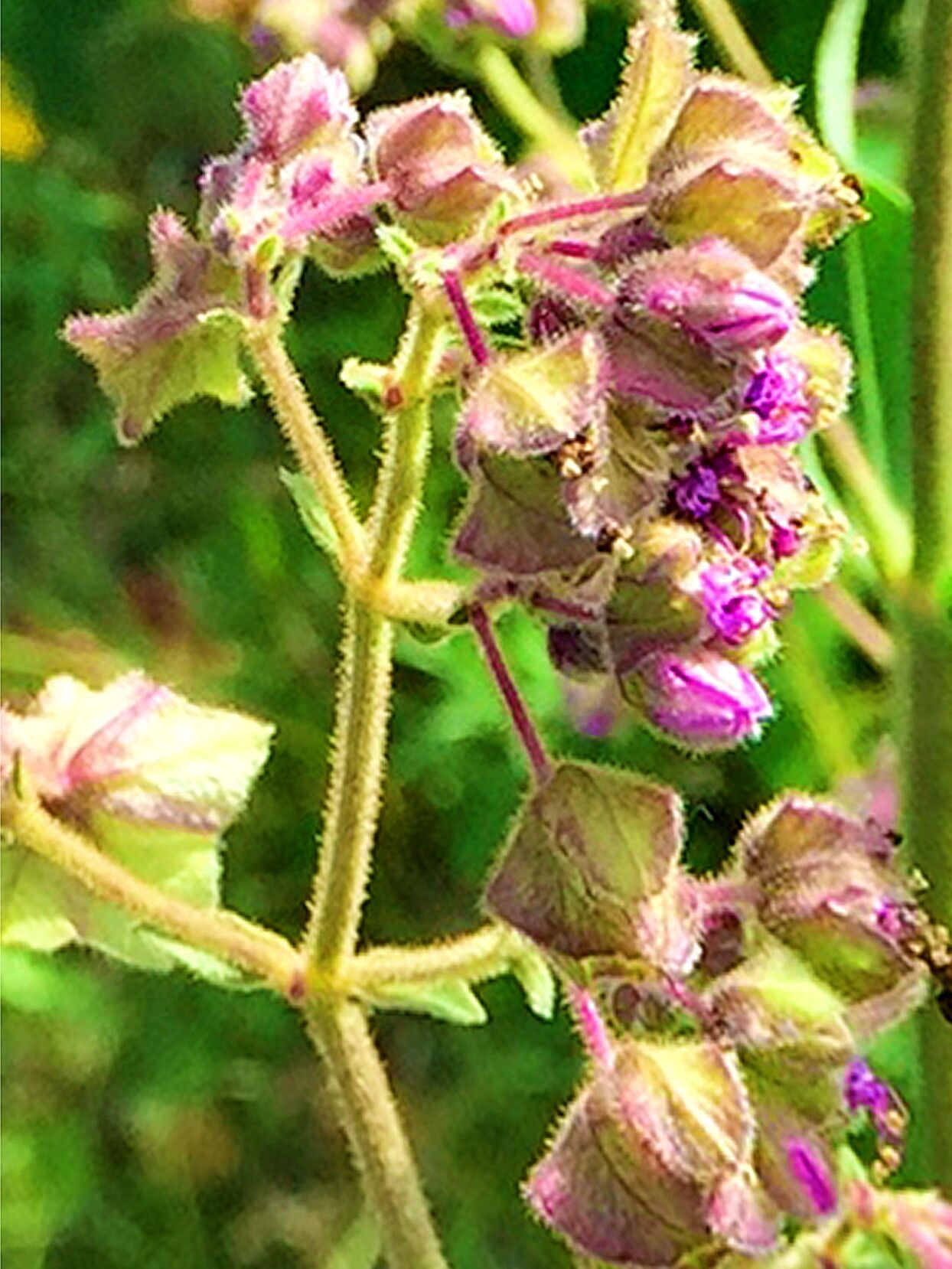
Propagating Mirabilis albida: A Gardener’s Guide
Mirabilis albida, commonly known as the white four-o’clock, is a charming, night-blooming member of the Nyctaginaceae family. Its delicate, fragrant white flowers unfurl in the late afternoon and evening, adding a unique and enchanting element to any garden. While not as widely cultivated as its more flamboyant relatives, its understated elegance and resilience have garnered a loyal following amongst gardeners. Its propagation, however, presents some unique challenges and rewards, making the success of cultivation particularly gratifying.
Seed Germination:
Currently, there are no known reliable methods for seed germination propagation of Mirabilis albida. While some species within the Mirabilis genus readily propagate from seed, Mirabilis albida appears to exhibit low seed viability or germination rates, possibly due to underdeveloped seed dormancy mechanisms or other factors that require further botanical investigation. Further research is needed to determine potential techniques to improve germination success.
Cuttings:
Propagating Mirabilis albida through cuttings offers a more reliable method than seed germination.
Challenges: The success rate can depend heavily on timing and technique. Softwood cuttings taken in spring or early summer generally yield the best results. Using a rooting hormone can significantly improve the chances of success.
Practical Tips: Take cuttings of approximately 4-6 inches in length, removing the lower leaves to prevent rot. Plant them in a well-draining potting mix, keeping the soil consistently moist but not waterlogged. A humidity dome or propagator will increase the chances of successful rooting. Using a bottom heat mat can also accelerate root development.
Rewards: This method offers relatively quick propagation, allowing for the rapid increase in the number of plants. Since cuttings are taken from the parent plant, they produce genetically identical offspring, preserving desirable traits.
Division:
Division is another feasible propagation method for Mirabilis albida, particularly for established plants.
Challenges: This method is only suitable for mature plants with well-developed root systems, limiting its effectiveness for newly acquired specimens. Care must be taken during the division process to avoid damaging the roots, which can hinder establishment.
Practical Tips: The best time to divide Mirabilis albida is in spring or autumn, when the plant is actively growing or dormant but not experiencing extreme temperatures. Dig around the plant carefully, exposing the root system. Divide the rootball into sections, each with healthy roots and shoots. Replant the divisions immediately, ensuring they are adequately watered.
Rewards: Division is straightforward and relatively simple, and offers a quick method to increase your number of plants.
Tissue Culture:
Tissue culture is a more advanced and technically demanding propagation method, and is not commonly used for Mirabilis albida.
Challenges: This method requires specialized equipment, sterile conditions, and a detailed understanding of plant tissue culture techniques. Establishing aseptic cultures can be challenging, and success heavily depends on the proper media formulation and growth regulators.
Practical Tips: While not routinely employed for this species, researchers could explore optimal media components and sterilization protocols to develop a viable tissue culture method.
Rewards: This approach could enable mass propagation, allowing for the large-scale production of genetically uniform plants, valuable in horticulture and conservation.
Conclusion:
Propagating Mirabilis albida presents a unique set of challenges. While seed germination is currently unreliable, cuttings and division offer viable and relatively straightforward methods for increasing the number of plants. Tissue culture remains an unexplored avenue with potential for large-scale propagation. The rewarding aspect of cultivating this species lies in overcoming these difficulties and witnessing the delicate, fragrant flowers blossom as a result of one’s dedication. The quiet beauty of the white four-o’clock – its unassuming elegance, night-blooming nature, and the satisfaction gained from its successful propagation – makes it a worthwhile undertaking for any plant enthusiast willing to embrace the learning curve. Do not be discouraged by initial setbacks; persistence and careful attention to detail will ultimately lead to success in cultivating this attractive and intriguing plant.