
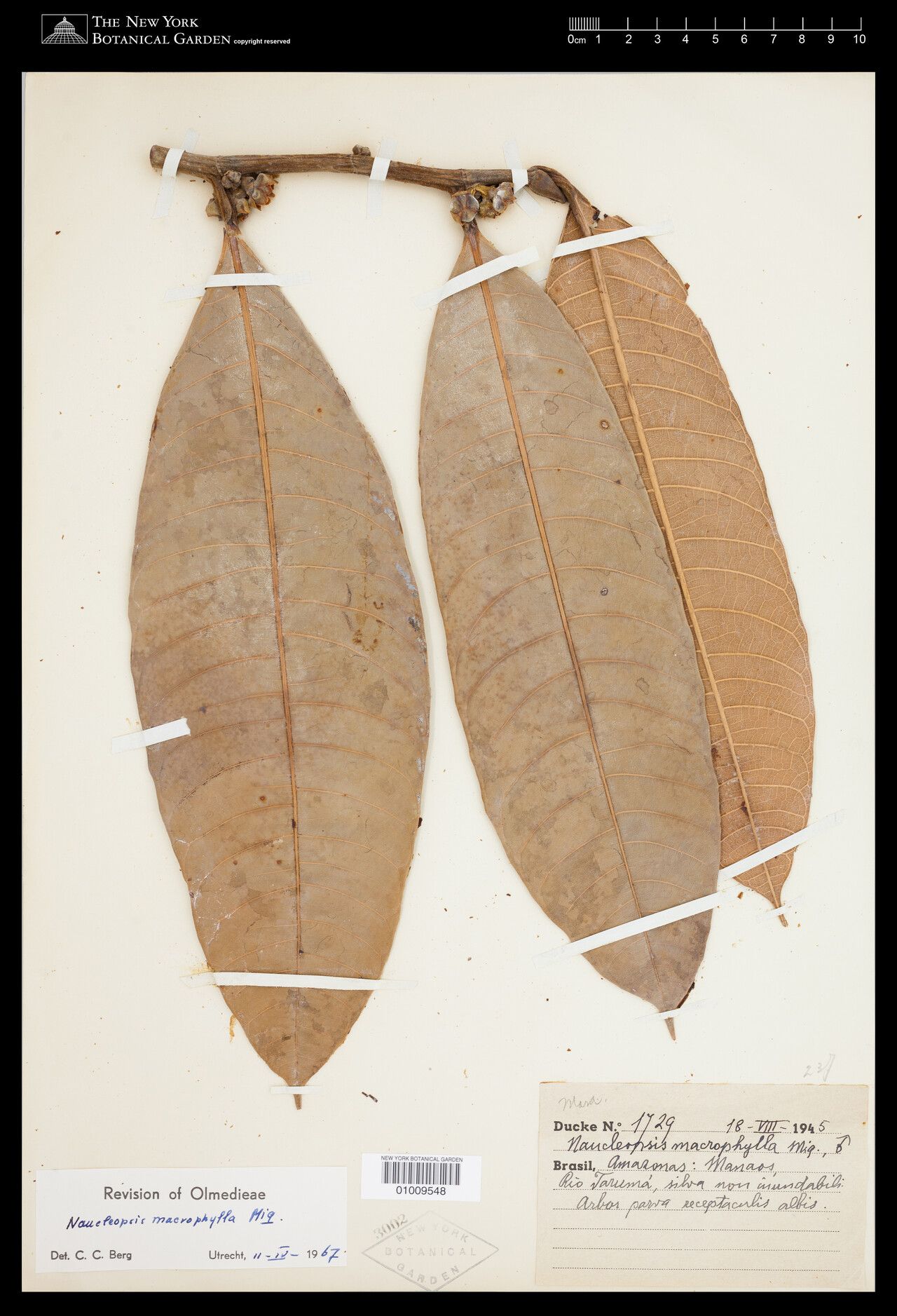
Propagating the Yang-na: Unveiling the Secrets of Naucleopsis macrophylla
Naucleopsis macrophylla, commonly known as Yang-na (among other regional names), is a fascinating tropical tree prized for its impressive size, striking foliage, and potential in timber production. Its large, glossy leaves and characteristic growth habit make it a sought-after addition to arboreta and the gardens of dedicated tropical plant enthusiasts. However, its propagation presents unique challenges, necessitating a nuanced understanding of its reproductive biology. This article explores various propagation methods for Naucleopsis macrophylla, weighing their efficacy and providing practical advice for successful cultivation.
Seed Germination:
Currently, there are no known reliable methods for seed germination propagation of Naucleopsis macrophylla. While seeds may be produced, germination rates are reportedly extremely low, and successful seedling establishment is exceptionally rare. Further research into the specific germination requirements, including potential dormancy breaking mechanisms, is needed.
Cuttings:
Cuttings offer a more promising avenue for propagation. However, challenges remain.
Challenges: The success rate for stem cuttings can be variable, dependent on factors such as the age and health of the parent plant, the timing of cutting collection (ideally during periods of active growth), and the rooting environment. Hardwood cuttings may be more successful than softwood cuttings.
Practical Tips: Take semi-hardwood cuttings, approximately 6-8 inches long, in the late spring or early summer. Remove lower leaves to prevent rot and treat the cut ends with a rooting hormone. Plant cuttings in a well-draining mix of perlite and peat moss, maintaining high humidity and consistent moisture (but avoiding waterlogging). Misting regularly helps maintain humidity. Propagation in a humidity dome or using a mist propagation system significantly increases the chances of success.
- Rewards: Cuttings offer a relatively quick method to produce genetically identical clones of a desirable parent plant, preserving desirable traits. They are also suitable for larger-scale propagation compared to other techniques.
Division:
Division of Naucleopsis macrophylla is generally not feasible. This species does not readily form multiple stems or suckers from the base that could be separated for propagation.
Tissue Culture:
Tissue culture presents a potential but complex avenue for propagating Naucleopsis macrophylla.
Challenges: Establishing aseptic conditions and identifying optimal media formulations for shoot multiplication and rooting are crucial and may necessitate extensive experimentation. The specific requirements of Naucleopsis macrophylla in tissue culture are largely unknown and need further research.
Practical Tips: This method requires specialized equipment, a sterile laboratory environment, and expertise in plant tissue culture techniques. Experts should develop appropriate nutrient media and growth regulators specific to Naucleopsis macrophylla.
- Rewards: Tissue culture offers the potential for mass propagation of superior genotypes, disease-free plants, and efficient production of numerous plants from a limited starting material.
Conclusion:
Propagating Naucleopsis macrophylla presents considerable challenges. While seed germination appears currently unreliable, cuttings offer a somewhat more feasible, though still demanding, method. Tissue culture holds the greatest potential for large-scale propagation, but requires specialized expertise and resources. The rewards of successfully cultivating this majestic tree, however, are significant. The unique satisfaction of nurturing a healthy Yang-na from a cutting or through intricate tissue culture techniques is a testament to patience and dedication. For aspiring propagators, we suggest starting with simpler propagation methods, gaining experience and understanding the specific conditions that Naucleopsis macrophylla thrives under. The journey, though challenging, is undoubtedly worthwhile.