
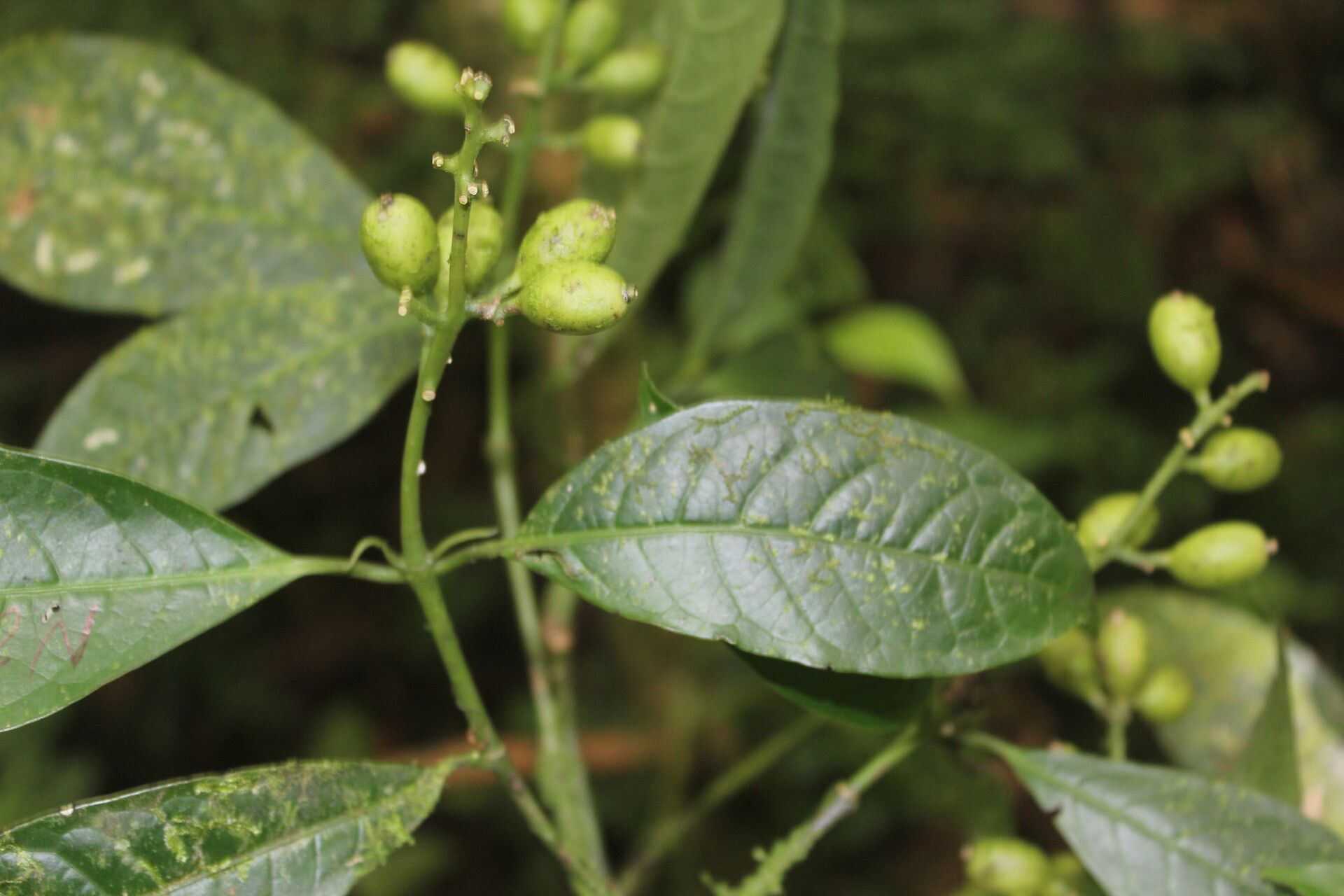
Propagating Coussarea caroliana: A Gardener’s Guide to a Tropical Gem
Coussarea caroliana, while lacking a widely recognized common name, is a captivating tropical shrub prized by plant enthusiasts for its glossy foliage and attractive, though often inconspicuous, flowers. Its relative rarity in cultivation, combined with its unique aesthetic qualities, makes successful propagation a rewarding, albeit challenging, endeavor. This article explores various methods, highlighting the challenges and rewards associated with each.
Seed Germination:
Currently, there are no known reliable methods for seed germination propagation of Coussarea caroliana. Limited research exists on the species’ reproductive biology, and anecdotal evidence suggests low seed viability even under optimal conditions. Further investigation into seed treatment techniques, including stratification or specific hormonal applications, would be necessary to determine the feasibility of seed propagation. If successful, seed germination would offer the significant advantage of genetic diversity, critical for the long-term health and resilience of cultivated populations.
Cuttings:
Cuttings present a more promising avenue for propagating Coussarea caroliana. Semi-hardwood cuttings taken during the late spring or early summer, when the plant is actively growing but the wood has begun to mature, show the best potential for success.
Challenges: Cuttings may be susceptible to fungal diseases and rot. Maintaining high humidity and adequate warmth is crucial to prevent desiccation. Rooting hormone application might enhance success rates.
Practical Tips: Cuttings should be approximately 4-6 inches long, taken just below a node. Remove lower leaves to prevent rot. Dip the cut ends in rooting hormone before planting in a well-draining propagation mix (e.g., perlite and peat moss). Maintain high humidity using a humidity dome or plastic bag. A bottom-heat propagation mat can help accelerate rooting. Bottom watering reduces the risk of rot by keeping the leaves dry.
- Rewards: Cuttings offer a relatively quick method for producing genetically identical plants, ensuring the propagation of desirable traits. This is especially valuable if the parent plant exhibits unique qualities.
Division:
Division is unlikely to be a viable propagation method for Coussarea caroliana unless the plant is already quite mature and possesses multiple substantial stems arising from a common root system. The delicate nature of the root system would likely make division highly disruptive and detrimental to the parent plant.
Tissue Culture:
Tissue culture, though technically demanding and requiring specialized equipment and expertise, offers the potential for large-scale propagation of Coussarea caroliana.
Challenges: Establishing sterile culture conditions and finding the optimal medium and hormonal balance for shoot multiplication and root induction can be complex and time-consuming, requiring considerable experimentation. Contamination is a significant risk.
Practical Tips: Professional assistance or access to tissue culture facilities is highly recommended. Research into suitable medium formulations for related species within the Rubiaeae tribe (to which Coussarea belongs) might inform the selection of optimal growth regulators.
- Rewards: Tissue culture provides the potential for rapid multiplication of a high number of genetically identical plants from a single explant. This is ideal for conserving rare or endangered genotypes.
Conclusion:
Propagating Coussarea caroliana presents unique challenges, with cuttings offering the most immediately accessible and promising method for the average gardener. While seed germination currently seems intractable, and division impractical, tissue culture provides a powerful, albeit specialized, avenue for large-scale multiplication. The rewards, however, are significant: the ability to share the beauty of this rare tropical gem with others and contribute to its conservation. The satisfaction derived from successfully propagating Coussarea caroliana, after overcoming these hurdles, is immensely rewarding, making the effort particularly fulfilling for dedicated plant enthusiasts. Don’t be discouraged by initial setbacks; persistence and a willingness to experiment will significantly increase the probability of success.