
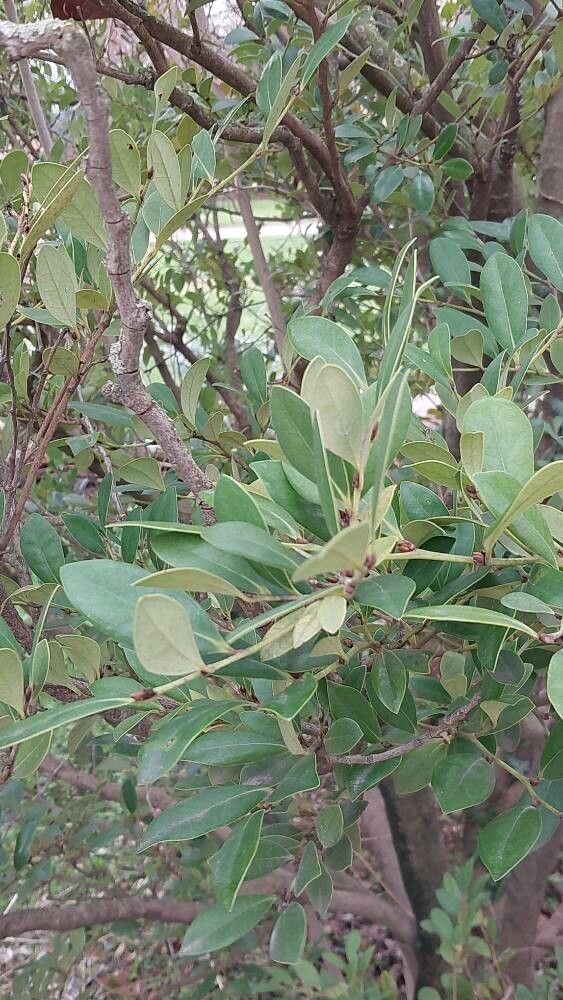
Propagating Distylium racemosum: A Gardener’s Guide to the Elusive "False Sweet Gum"
Distylium racemosum, commonly known as False Sweetgum, is a captivating evergreen shrub or small tree prized for its dense, fine-textured foliage, attractive form, and tolerance of shade. Its adaptability and low-maintenance nature have made it increasingly popular among gardeners seeking elegant, understated additions to their landscapes. However, propagating this intriguing plant presents a unique set of challenges, making successful cultivation all the more rewarding.
Seed Germination:
Currently, there are no known reliable methods for seed germination propagation of Distylium racemosum. While the plant produces seeds, their viability and germination rate appear to be exceptionally low, likely due to factors such as hard seed coats or dormancy requirements not yet understood. Further research into specific stratification techniques or other pre-treatments is needed before seed propagation can be considered a viable option.
Cuttings:
Cuttings offer a more promising approach to propagating Distylium racemosum.
Challenges: Rooting success with cuttings can be inconsistent. The plant’s relatively slow growth rate means that rooting takes time and patience.
Practical Tips: Semi-hardwood cuttings taken in late summer or early autumn generally yield the best results. Use a rooting hormone to enhance success. A propagation mix that retains moisture but is well-draining is crucial. Maintain high humidity using a propagation dome or plastic bag. Bottom heat can also accelerate rooting.
Rewards: Cuttings allow the propagation of genetically identical plants, ensuring the preservation of desirable traits. This method is also suitable for smaller-scale propagation, ideal for home gardeners.
Division:
Division is a feasible method, but limited by the plant’s size and growth habit.
Challenges: Distylium racemosum doesn’t readily lend itself to division like some other shrubs. Mature plants often have a deeply established root system, making division disruptive and potentially damaging. Smaller plants are better suited to this method.
Practical Tips: Division is best attempted in spring or early autumn. Ensure each division retains a healthy root system and several strong stems. Plant the divisions immediately in well-prepared soil.
Rewards: Division provides a relatively quick method of increasing the number of plants, provided you have a suitable mature plant to divide.
Tissue Culture:
Tissue culture, a sophisticated laboratory-based technique, holds significant promise for the propagation of Distylium racemosum.
Challenges: Tissue culture requires specialized equipment, expertise, and aseptic conditions. It can be costly and time-consuming. Successful protocols specifically developed for Distylium racemosum may need to be created.
Practical Tips: This method is better suited for nurseries or research institutions with the necessary resources and technical knowledge. Developing specific media and growth regulator combinations will be crucial for optimal callus formation and shoot development.
Rewards: Tissue culture offers a potentially high-volume propagation method capable of producing numerous genetically uniform plants. It’s especially beneficial for rare or difficult-to-propagate cultivars.
Conclusion:
Propagating Distylium racemosum presents distinct challenges depending on the chosen method. While seed germination currently appears impractical, cuttings offer a reasonable approach for home gardeners with patience. Division is limited by the plant’s habit, and tissue culture presents an effective but resource-intensive option. The rewards, however, are well worth the effort. Successfully cultivating this elegant plant through propagation offers a unique sense of satisfaction, a testament to perseverance and horticultural skill. For aspiring propagators, we advise starting with cuttings, mastering the basics, and then perhaps exploring more advanced techniques like tissue culture as expertise grows. The journey of cultivating this underappreciated gem is a rewarding one indeed.