
Propagating Licorice: A Gardener’s Guide to Glycyrrhiza glabra
Introduction
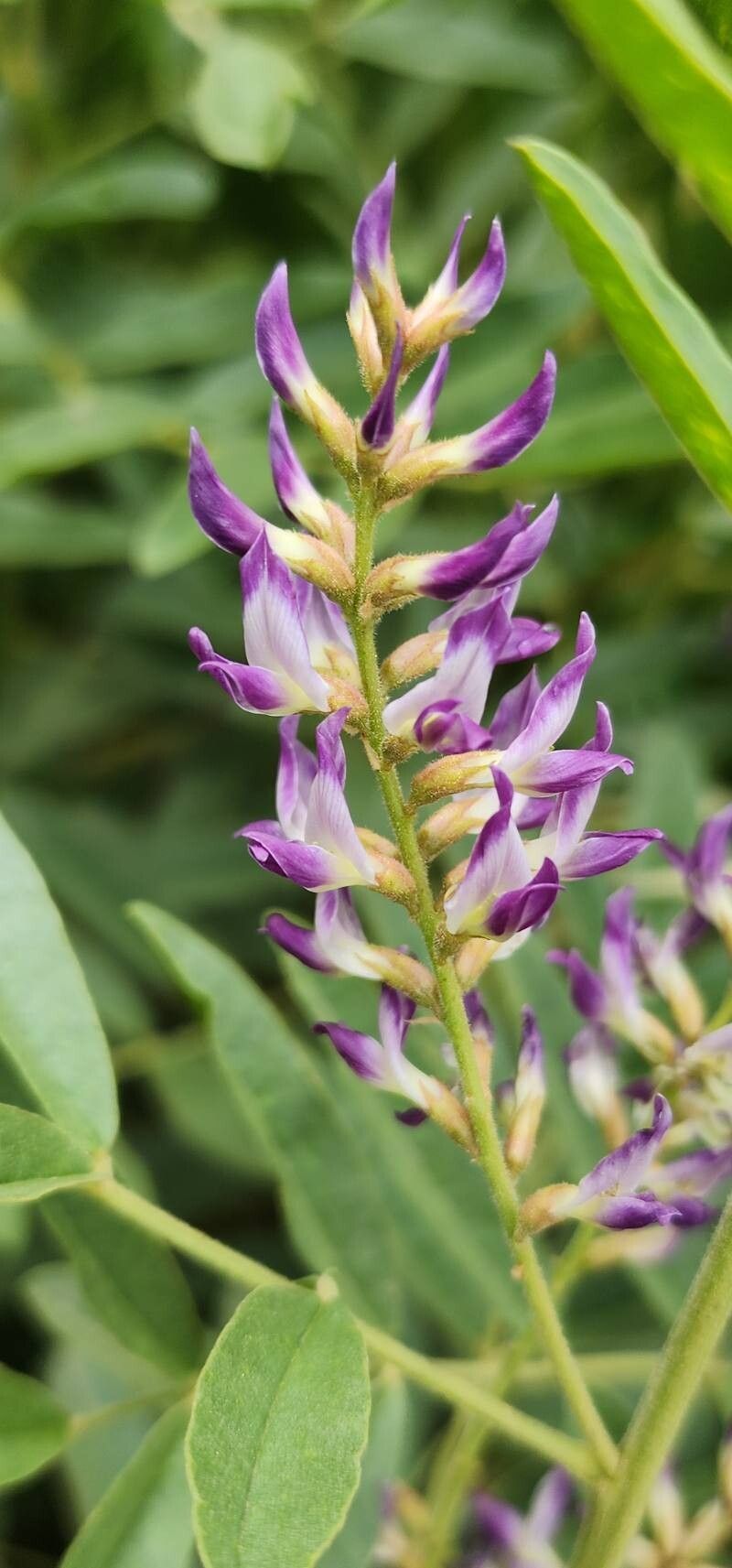
Glycyrrhiza glabra, commonly known as licorice, is a perennial herb prized for its sweet, aromatic roots used in confectionery, medicine, and traditional remedies. Its sturdy, upright stems and delicate pea-like flowers make it a modestly attractive addition to gardens, though its primary appeal lies in its valuable roots. Propagating licorice can be challenging, but the reward of cultivating this fascinating and useful plant is well worth the effort. Its unique propagation characteristics require a nuanced approach, diverging from many common garden plants.
Seed Germination
Currently, there are no known reliable methods for seed germination propagation of Glycyrrhiza glabra. While licorice plants produce seeds, their germination rates are notoriously low, and success in home settings is extremely rare. The seeds often exhibit dormancy, and even with pre-treatment, consistent germination remains elusive.
Cuttings
Cuttings offer a more viable method for propagating Glycyrrhiza glabra compared to seed germination.
Challenges: Success with cuttings relies on timing and technique. Hardwood cuttings taken in late autumn or early winter are preferred. The rooting process can be slow and requires a high degree of humidity and warmth. The use of rooting hormone is highly recommended.
Practical Tips: Take 6-8 inch long cuttings from mature, healthy stems. Remove lower leaves to prevent rotting. Dip the cut ends in rooting hormone and plant in a well-draining propagation mix, keeping the cuttings consistently moist under a humidity dome or plastic bag. Maintain a temperature around 70-75°F (21-24°C). Rooting may take several weeks or even months.
Rewards: Cuttings offer a relatively quick way to obtain genetically identical plants to the parent, preserving desirable characteristics. It’s suitable for smaller-scale propagation compared to seed.
Division
Division of established licorice plants is a highly successful propagation method.
Challenges: This method requires an already established, mature plant with well-developed root systems. Division should be done carefully to avoid damaging the roots, which can severely impact the plant’s health.
Practical Tips: Dig up the entire plant in early spring or late autumn. Carefully separate the root crown into sections, ensuring each division contains healthy roots and shoots. Replant each division immediately in well-prepared soil.
Rewards: Division is the fastest method for increasing the number of licorice plants, offering high success rates. It preserves the genetic traits of the parent plant.
Tissue Culture
Tissue culture is a specialized propagation technique that’s likely the most reliable method for large-scale propagation of Glycyrrhiza glabra.
Challenges: This requires specialized equipment, a sterile environment, and technical expertise. It is generally not suitable for home propagation.
Practical Tips: Sterile conditions are imperative, otherwise, contamination will quickly ruin the culture. Appropriate culture media and growth regulators are crucial for successful shoot proliferation and rooting. This method is best left to laboratories or professional nurseries.
Rewards: Tissue culture allows for rapid and large-scale propagation, producing many uniform plants from a small amount of starting material. It’s ideal for genetic preservation and disease-free plants.
Conclusion
Propagating Glycyrrhiza glabra presents unique challenges, with seed propagation proving unreliable. Cuttings and division are achievable methods for gardeners, though demanding patience and attention to detail. Tissue culture offers the highest yield but requires specialized skills and resources. The rewards include the satisfaction of nurturing this valuable herb from cutting or division, the unique flavor of homegrown licorice root, and the potential to share this plant with others. Regardless of the chosen method, the dedicated gardener will find the success of cultivating licorice a distinctly fulfilling endeavor. Remember to be patient and persistent—the sweet taste of success is worth the wait.