
Propagating Melaleuca flammea: A Fiery Challenge
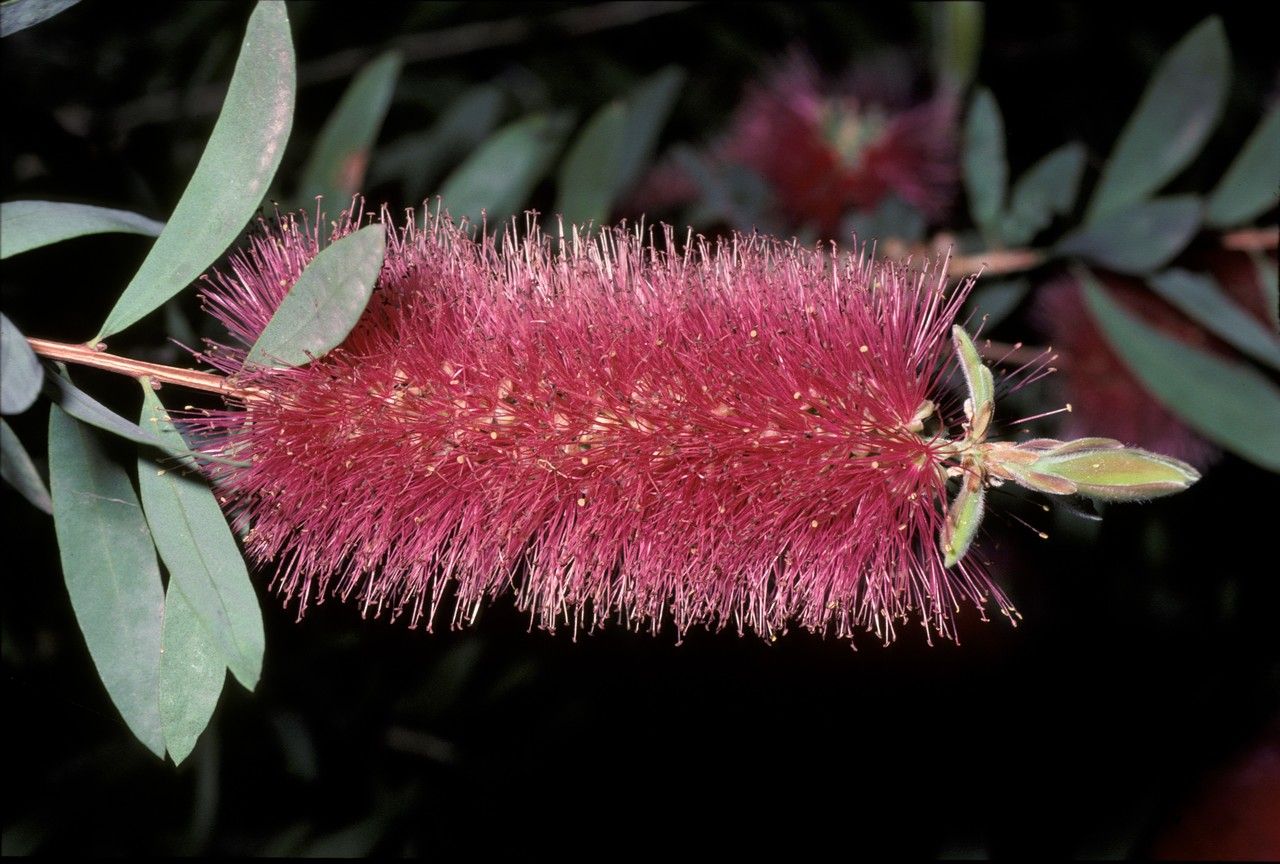
Melaleuca flammea, also known as the Crimson Bottlebrush, is a captivating Australian native shrub prized for its vibrant, crimson bottlebrush-like flowers that bloom prolifically in summer. Its striking appearance and relative hardiness have made it a popular choice among gardeners, demanding exploration of effective propagation methods. However, propagating this species presents unique challenges that require specific techniques and patience. This article explores different propagation methods for Melaleuca flammea, weighing their successes and difficulties.
Seed Germination:
Currently, there are no known reliable methods for seed germination propagation of Melaleuca flammea. While seeds are produced, their germination rate is reportedly extremely low, even under optimal conditions. The reasons behind this low success rate are not fully understood, but may be related to seed dormancy mechanisms or the necessity for specific mycorrhizal associations for successful seedling establishment. Further research is needed to develop effective germination techniques.
Cuttings:
Cuttings represent a more viable propagation method for Melaleuca flammea than seed germination. However, it does present challenges:
Challenges: The success rate can be variable, and rooting hormones are often necessary to stimulate root development. Use of semi-hardwood cuttings from actively growing stems is recommended. Bacterial and fungal infections can also be problematic.
Practical Tips: Take cuttings in late spring or early summer from healthy, non-flowering shoots. Use a sharp, sterilized blade to make clean cuts, ideally about 10-15cm long, removing lower leaves to prevent rotting. Dip the cut ends in rooting hormone powder. Plant cuttings in a well-draining propagation mix (e.g., perlite and peat moss), maintaining humidity using a propagator or plastic bag. Regular misting is crucial until rooting occurs (typically 4-6 weeks).
- Rewards: Cuttings enable the propagation of desirable genetic characteristics reliably, ensuring that the offspring retain the parent plant’s desirable traits. This method is relatively straightforward compared to other techniques like tissue culture.
Division:
Division is another option, but limited to mature, established plants.
Challenges: Dividing the root system can be stressful for the plant, potentially leading to reduced vigor or death if not done carefully. The success rate is also dependent on the size and health of the parent plant. It is best suited to smaller, less woody plants.
Practical Tips: The best time to divide is during the dormant season (winter), when the plant is less stressed. Dig up the entire plant carefully and gently separate the root ball into smaller sections, each with its own established roots and stems. Replant the divisions immediately in well-prepared soil.
- Rewards: Division offers a quick way to increase the number of plants, provided the parent plant is suitable for this method. It avoids the challenges of seed germination and, compared to cuttings, offers a greater chance of propagation for larger plants.
Tissue Culture:
Tissue culture offers the potential for large-scale propagation of Melaleuca flammea, overcoming limitations of other methods. However, it requires specialized equipment, expertise, and sterile conditions.
Challenges: Establishing a sterile environment and mastering tissue culture techniques can be complex and resource intensive. Specific growth media and hormone combinations need to be optimized for Melaleuca flammea, which can necessitate trial and error.
Practical Tips: This method is best left to those with experience in plant tissue culture. Specialized laboratories and knowledge of plant sterilisation and inoculation are vital.
- Rewards: Tissue culture offers exceptionally high propagation rates and allows for the production of disease-free plants whilst scaling production to large volumes for commercial application.
Conclusion:
Propagating Melaleuca flammea presents a range of challenges. While seed germination currently remains unreliable, cuttings offer a reasonably successful approach. Division is limited to certain plant stages, and tissue culture represents a highly efficient but technically demanding option. Successful cultivation of this stunning plant, however, is immensely rewarding. The effort invested brings a unique satisfaction, especially when confronted by the initial hurdles. For aspiring propagators, patience, careful attention to detail, and persistence are key to achieving success with this attractive and challenging species. Don’t be discouraged by initial setbacks. Every attempt brings valuable knowledge that improves future success.