
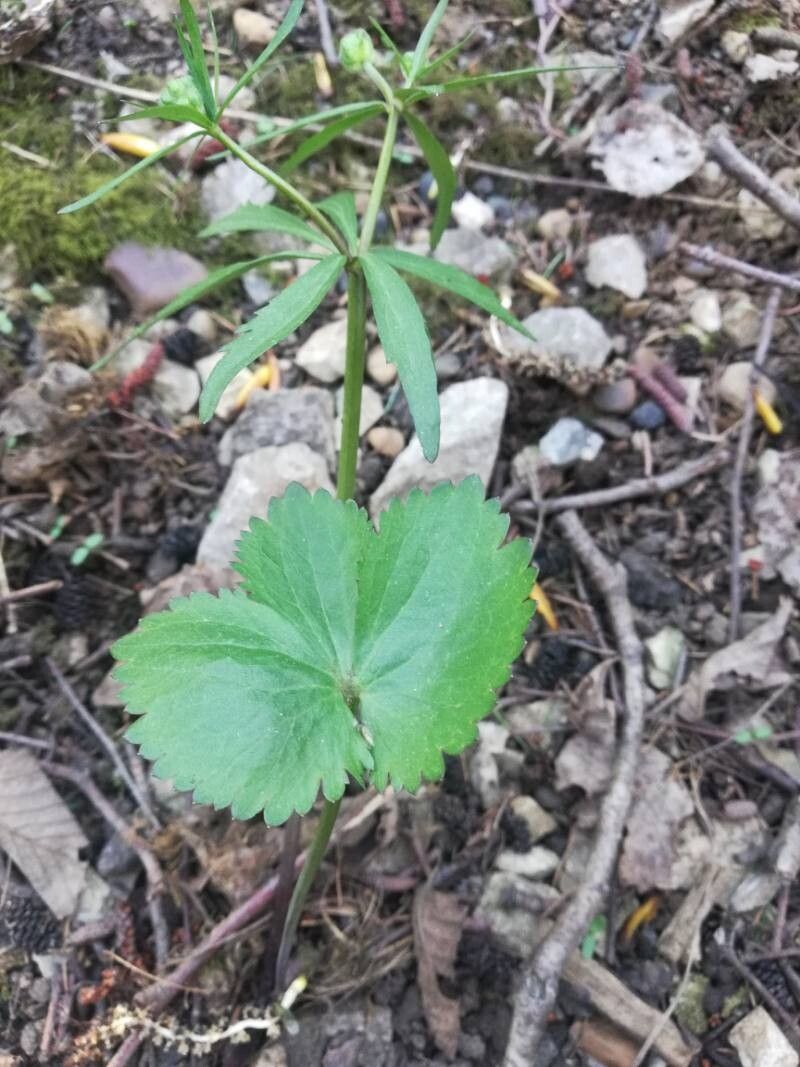
Propagating the Goldilocks Buttercup: A Guide to Ranunculus cassubicus
Introduction
Ranunculus cassubicus, commonly known as the Goldilocks buttercup or marsh buttercup, is a charming perennial boasting bright yellow, bowl-shaped flowers. Its delicate foliage and vibrant blooms make it a desirable addition to damp garden borders and bog gardens. While relatively easy to maintain once established, propagating Ranunculus cassubicus presents unique challenges compared to other garden plants. Its popularity among gardeners stems from its hardiness, its ability to thrive in moist conditions, and its cheerful, long-lasting flowers. Understanding the nuances of its propagation is key to successfully increasing your stock.
Seed Germination:
Currently, there are no known reliable methods for seed germination propagation of Ranunculus cassubicus. While the plant does produce seeds, their germination rate is notoriously low, and further research is needed to determine optimal conditions for successful germination.
Cuttings:
Propagating Ranunculus cassubicus from cuttings is also unreliable. Attempts at softwood or hardwood cuttings have generally yielded poor results. The plant’s physiology appears to hinder the development of roots from stem cuttings, even under ideal humidity and rooting hormone application.
Division:
Division is the most commonly practiced and most successful method for propagating Ranunculus cassubicus. This involves carefully separating the plant’s rhizomes (underground stems) into smaller sections, each containing several buds or growth points.
- Challenges: Dividing rhizomes requires careful handling to avoid damaging the fragile roots and buds. Overly aggressive division can weaken the plants, reducing their vigor and flowering potential. The best time for division is in late spring or early autumn, after flowering but before the onset of harsh weather.
- Practical Tips: Use a sharp, clean knife or spade to divide the rhizomes. Ensure each section has established roots and at least one healthy bud. Plant the divisions immediately in moist, well-drained soil at the original planting depth. Water thoroughly after planting.
- Rewards: Division offers a relatively high success rate, and allows for quick propagation of established plants generating near-exact genetic copies. It’s an excellent method for increasing plant numbers in a relatively short period.
Tissue Culture:
Tissue culture, while a potentially viable method for large-scale propagation of Ranunculus cassubicus, is complex and requires specialized equipment and expertise.
- Challenges: Establishing sterile conditions, selecting appropriate growth media, and optimizing hormone concentrations are critical aspects that require specific knowledge and skill. This method is not suitable for home propagation.
- Practical Tips: This method should be left to professionals with experience in plant tissue culture techniques.
- Rewards: Tissue culture offers the potential for large-scale production of genetically identical plants, disease elimination, and the preservation of rare or endangered genotypes.
Conclusion:
Propagating Ranunculus cassubicus presents a unique set of challenges. While seed germination and cuttings prove unreliable, division offers a successful and comparatively simple approach for the home gardener. Tissue culture provides a potential path for large-scale propagation but necessitates specialized expertise. The rewards of successfully growing this charming plant from a division, however, outweigh the difficulties. The satisfaction of nurturing a small piece of rhizome into a flowering plant, knowing its vibrant yellow blooms are a direct result of your effort, is deeply rewarding. Don’t be disheartened by the challenges; embrace the journey, and the beauty of the Goldilocks buttercup will be your well-earned prize.