
Cracking the Code: Propagating the Enigmatic Holigarna arnottiana
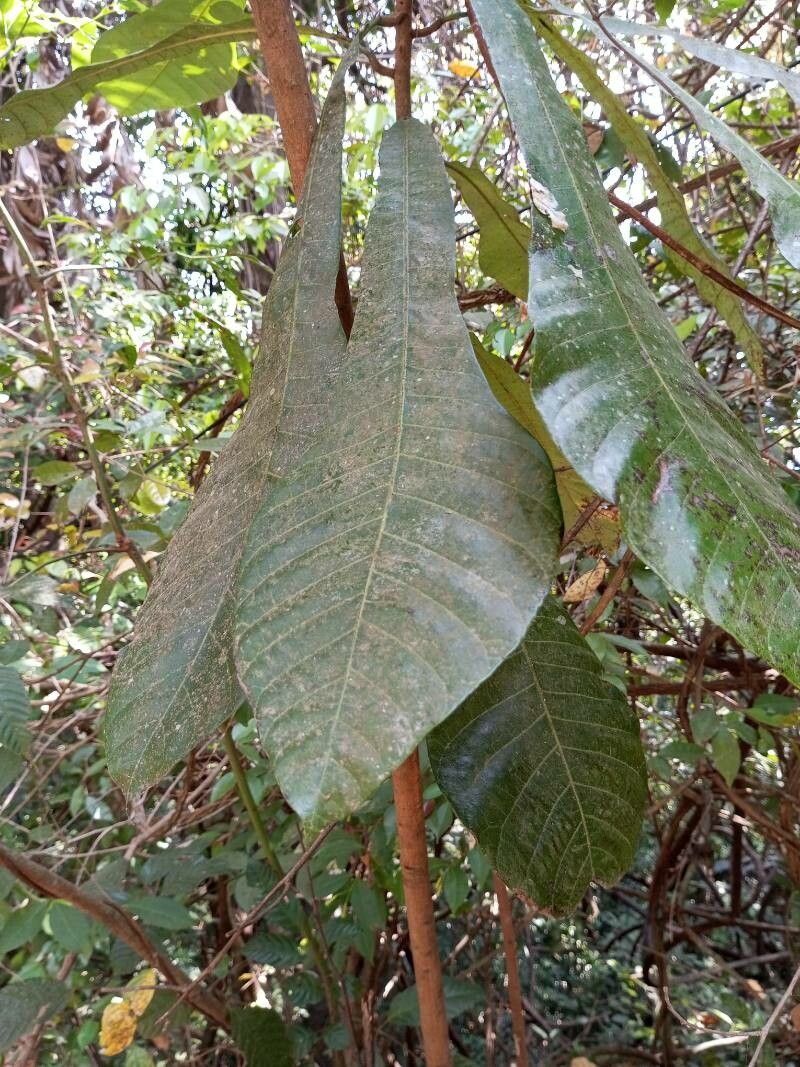
The Holigarna arnottiana, also known as the Black Varnish Tree, is a fascinating species native to the Western Ghats of India. Its striking appearance, with glossy, dark green leaves and clusters of reddish-brown fruits, makes it a sought-after ornamental plant. However, propagating this intriguing tree can be quite challenging, often proving difficult even for seasoned gardeners.
While information on Holigarna arnottiana propagation remains relatively scarce, this article aims to shed light on the methods that have shown potential for success.
Understanding the Challenges:
One of the main reasons for the propagation difficulties lies in the tree’s biology. Holigarna arnottiana seeds have a notoriously low germination rate. This is because the seeds possess a hard outer shell and often exhibit seed dormancy, requiring specific conditions to trigger germination.
Methods of Propagation:
1. Seed Propagation:
- Seed Collection & Handling: Collect mature fruits directly from the tree and extract the seeds. It is crucial to clean the seeds thoroughly, removing any fruit pulp, as it can inhibit germination.
- Breaking Dormancy: Due to the hard seed coat, scarification is recommended. This involves gently nicking or sanding the seed coat to allow water absorption. Soaking the seeds in warm water for 24 hours can further aid in breaking dormancy.
- Sowing: Utilizing a well-draining seed starting mix is essential. Sow the seeds at a depth of about 1 cm and keep the soil consistently moist.
- Patience is Key: Germination can be erratic and may take anywhere from a few weeks to several months.
2. Vegetative Propagation:
While seed propagation can be challenging, vegetative methods like cuttings offer a potentially more reliable alternative. However, even with cuttings, success is not guaranteed.
- Cutting Selection & Preparation: Select healthy, semi-hardwood cuttings from the current year’s growth. The ideal time for taking cuttings is during the early morning hours when the plant’s moisture content is high. Cuttings should be around 15-20 cm long and treated with a rooting hormone to encourage root development.
- Planting & Care: Plant the cuttings in a well-draining potting mix and provide them with a warm, humid environment. A propagator or a makeshift humidity dome can be beneficial.
Factors Influencing Success:
- Environmental Conditions: Maintain a warm and humid environment throughout the propagation process.
- Soil Conditions: A well-draining soil mix, rich in organic matter, is crucial for both seed germination and cutting success.
- Pest and Disease Control: Seedlings and cuttings are susceptible to fungal diseases, so maintaining good hygiene and providing adequate ventilation are important.
Final Thoughts:
Propagating Holigarna arnottiana is undeniably challenging but not impossible. By understanding the plant’s biology and implementing the techniques outlined above, you can increase your chances of success. Remember, patience and persistence are key!
Note: This article is intended as a general guide. Due to the limited information available on Holigarna arnottiana propagation, further research and experimentation are encouraged.