
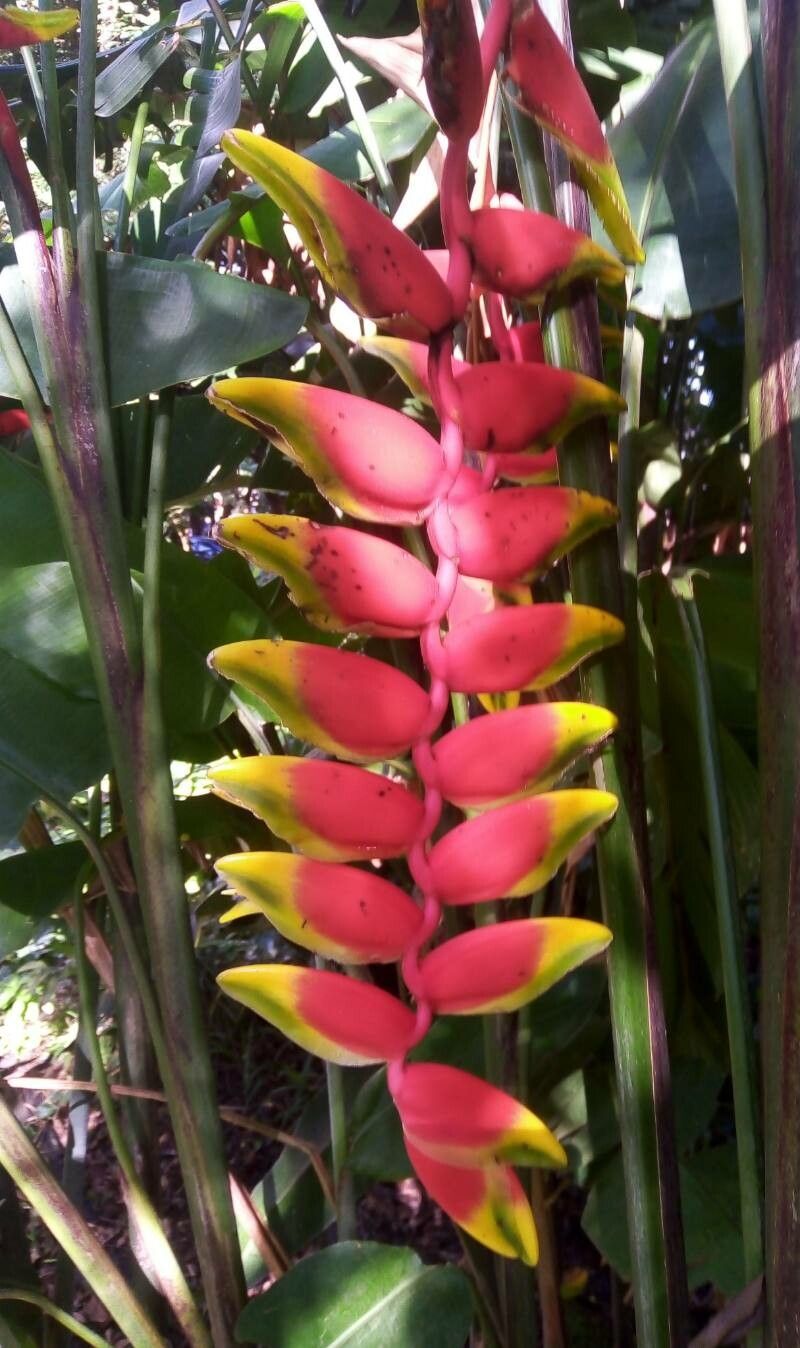
Propagating the Hanging Lobster Claw: A Guide to Heliconia rostrata
Introduction:
Heliconia rostrata, commonly known as the Hanging Lobster Claw, is a striking tropical plant prized for its pendulous, vibrant red bracts tipped with yellow-green. These bracts, resembling the claws of a lobster, dangle gracefully from the plant’s stems, creating a spectacular display in gardens and landscapes. Its popularity stems from its unique appearance, adaptability to warm climates, and ease of cultivation once established. However, propagating Heliconia rostrata presents some unique challenges, particularly compared to some other heliconia varieties. While achieving success requires patience and attention to detail, the rewards of cultivating these beauties are significant.
Seed Germination:
Currently, there are no known reliable methods for seed germination propagation of Heliconia rostrata. While the plant does produce seeds, their germination rate is exceptionally low, and reliable germination protocols have not been widely established. Many factors, including the need for specific environmental conditions and potential seed dormancy, contribute to this difficulty.
Cuttings:
Challenges: Propagating Heliconia rostrata from cuttings is arguably the most common and successful method, but it’s not without its difficulties. The cuttings are susceptible to rot if not properly managed, and rooting can be slow. The success rate is significantly influenced by the quality of the cutting material and the environmental conditions.
Practical Tips: Use stem cuttings of approximately 15-20cm length, taken from healthy, actively growing stems. Remove the lower leaves to prevent rotting. Dip the cut end in a rooting hormone to encourage root development. Plant the cutting in a well-draining, moist potting mix, ideally one with perlite or vermiculite to ensure good aeration. Maintain high humidity (e.g., using a propagator or humidity dome) and warm temperatures (24-28°C). Regular misting helps maintain moisture.
Rewards: This method is relatively straightforward once mastered, providing a quicker route to new plants than division. It also allows for clonal propagation, ensuring the new plants retain the exact characteristics of the parent plant.
Division:
Challenges: Division is another viable method, but it’s best performed during the plant’s dormant or less active period (often influenced by seasonal changes and local climate). Care must be taken to ensure each division has a healthy portion of rhizome and roots attached to avoid stressing the plant or leading to the death of the divisions. It’s also a more disruptive method than cuttings.
Practical Tips: Carefully dig up the mature Heliconia rostrata clump. Using a sharp, clean knife or spade, separate the rhizome into sections, each with several healthy shoots and a good root system. Plant the divisions immediately in well-prepared soil ensuring they are spaced adequately. Water thoroughly and provide protection from direct sunlight until they are established.
Rewards: Division offers a relatively fast and efficient method for multiplying established plants. It is generally less complicated than tissue culture and provides plants that have already started developing root systems, improving the chances of successful establishment compared to cuttings.
Tissue Culture:
Challenges: Tissue culture requires specialized equipment and laboratory facilities, making it a more complex and expensive method than cuttings or division. Sterilization techniques are critical to prevent contamination, and developing optimal growth media formulas can be challenging.
Practical Tips: This method requires highly specialized knowledge and equipment. It involves sterilizing plant tissues (e.g., meristem tips or shoot apices) and culturing them in a nutrient-rich agar medium under sterile conditions. This method is generally undertaken in specialized labs or nurseries.
Rewards: Tissue culture offers the potential for mass propagation, producing large numbers of genetically identical plants quickly and efficiently. It also reduces the risk of pathogen transmission.
Conclusion:
Propagating Heliconia rostrata presents varying levels of challenge depending on the chosen method. While seed germination is currently unreliable, cuttings and division offer accessible and effective approaches for home gardeners. Tissue culture provides a powerful but resource-intensive option for large-scale production. The satisfaction derived from successfully propagating this beautiful plant, particularly when overcoming the initial hurdles, is immense. Remember patience is key; monitor your plants closely, and don’t be discouraged by initial setbacks. With careful attention to detail and appropriate techniques, you can enjoy the vibrant beauty of the Hanging Lobster Claw in your garden for years to come.