
Propagating Geranium meridense: A Gardener’s Guide to the Andean Geranium
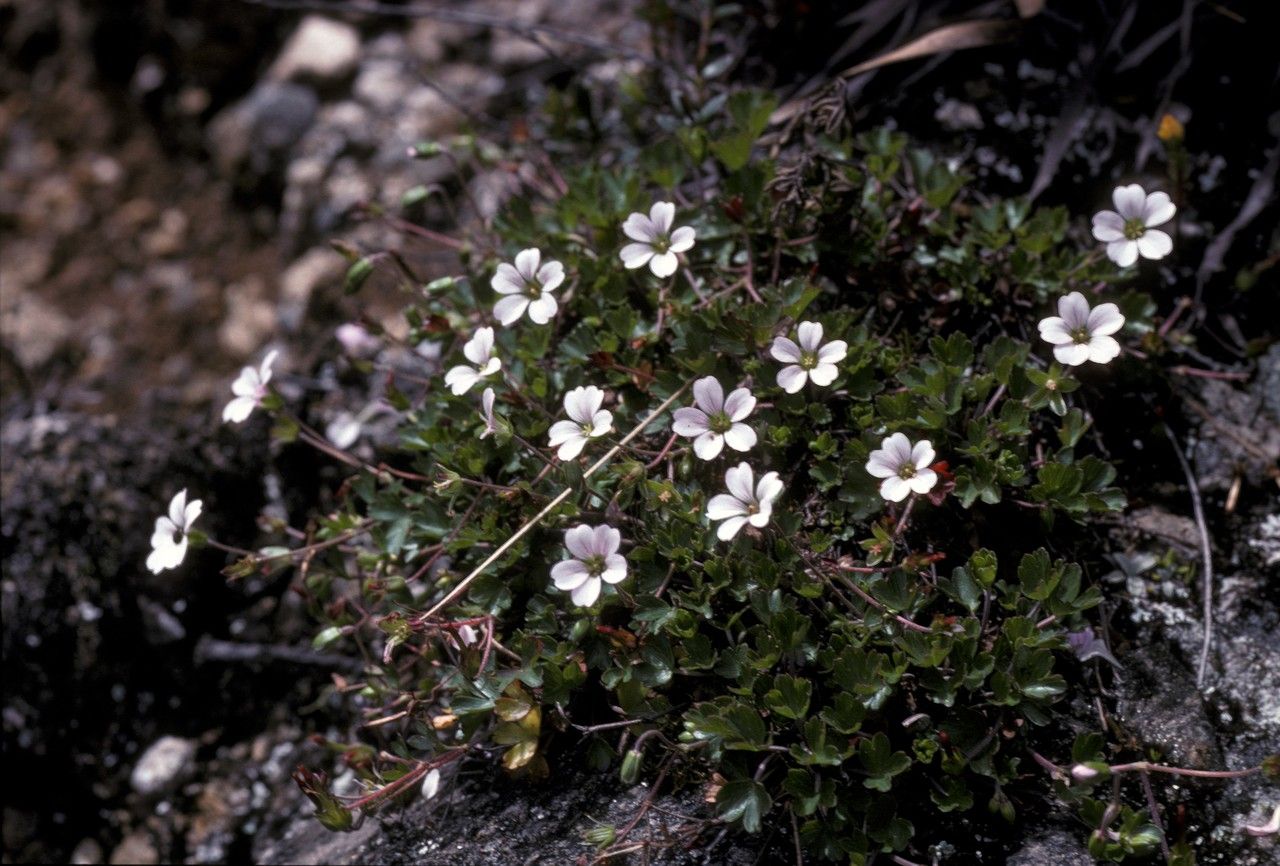
Geranium meridense, commonly known as the Andean Geranium, is a captivating flowering plant native to the high Andes mountains of Venezuela and Colombia. Its delicate, vibrant flowers, often boasting shades of pink, purple, or white, and its attractive, deeply lobed foliage make it a prized possession among gardeners seeking unusual and hardy additions to their collections. The plant’s adaptability to cooler climates and its relatively compact growth habit add to its appeal. However, propagating Geranium meridense presents unique challenges, making successful reproduction a rewarding experience.
Seed Germination:
Currently, there are no known reliable methods for seed germination propagation of Geranium meridense. While the plant does produce seeds, their viability and germination rate are reportedly very low, even under optimal conditions. Further research is needed to determine if specific pretreatment techniques, such as scarification or stratification, could improve germination success.
Cuttings:
Cuttings represent the most reliable method for propagating Geranium meridense. The challenges lie primarily in achieving successful rooting.
Challenges: The cuttings are prone to rotting if not handled carefully, particularly in excessively moist conditions. The relatively slow rooting process requires patience and consistent care.
Practical Tips: Take semi-hardwood cuttings in late spring or early summer. Use a sharp, sterile knife or shears to avoid damaging the plant tissue. Remove lower leaves to prevent rot. Dip the cut ends in rooting hormone for enhanced success. Plant the cuttings in a well-draining, moist potting mix of perlite and peat moss. Maintain high humidity (e.g., using a propagation dome or plastic bag) and consistently moist (but not soggy) conditions. Bottom heat can accelerate rooting.
- Rewards: Cuttings offer a reliable method for creating genetically identical copies of a desirable mother plant, preserving its unique characteristics. This simplifies propagation for large-scale gardening projects or sharing with fellow plant enthusiasts.
Division:
Division is another viable propagation method for Geranium meridense, particularly for established plants.
Challenges: Care must be taken to avoid damaging the delicate roots during the process. Severely damaging the root system can significantly reduce the chances of the divided portions surviving.
Practical Tips: Divide the plant in spring or fall, when it is actively growing but not flowering intensely. Carefully lift the plant from its pot or the ground, gently separating it into multiple sections, each with its own healthy root system and several shoots. Replant immediately into well-draining potting mix, ensuring that the soil is moist and well-compacted around the roots.
- Rewards: Division is a relatively straightforward method and offers a quick way to increase the number of plants. It allows for easy expansion of an already established plant, making it well-suited for gardeners working with limited propagation space.
Tissue Culture:
Tissue culture techniques could potentially offer a highly efficient method for propagating Geranium meridense, although this method is typically more complex and resource-intensive.
Challenges: Establishing sterile conditions and mastering the specific nutrient and hormonal requirements for Geranium meridense tissue culture would require specialized knowledge and equipment. This method is not easily accessible to home gardeners.
Practical Tips: This would require specialized laboratory settings and considerable horticultural expertise. Finding a suitable protocol for this specific species would need research and experimentation.
- Rewards: Tissue culture could lead to mass propagation of genetically uniform plants, ideal for commercial production or conservation efforts. It would also overcome many of the challenges associated with seed or cutting propagation.
Conclusion:
Propagating Geranium meridense presents various challenges across different methods. While seed germination is currently unreliable, cuttings and division offer viable options for home gardeners, with cuttings presenting the most dependable route to success. Tissue culture presents a potentially high-yield alternative, but requires advanced resources and expertise. The rewards of successfully nurturing these Andean beauties, however, far outweigh the effort. The unique satisfaction of cultivating this fascinating plant, especially after overcoming the propagation hurdles, is a testament to the patience and perseverance of the dedicated gardener. Don’t be discouraged by the challenges; the journey and the resulting flowering plant are truly rewarding experiences. Remember to choose the propagation technique that best suits your skills and resources, and always maintain careful observation and attention to detail for optimal success.