
Propagating Tillandsia araujei: A Guide for the Determined Cultivator
Introduction
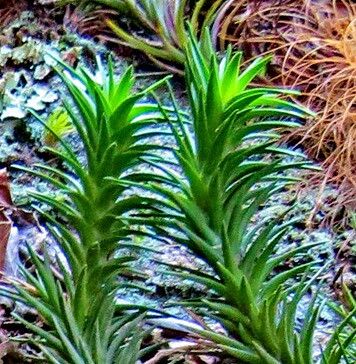
Tillandsia araujei, also known as the "Giant Air Plant" or "Araujei Tillandsia," is a captivating species within the Bromeliad family. This impressive air plant boasts large, robust leaves that often display a striking silvery-grey hue, punctuated by subtle reddish tinges, particularly under bright light. Its size, compared to other Tillandsias, and unique aesthetic appeal have earned it considerable popularity among air plant enthusiasts. Propagating T. araujei, however, presents unique challenges, demanding patience and a degree of horticultural expertise. Its slow growth rate adds to the complexity, making successful propagation a rewarding accomplishment.
Seed Germination
Currently, there are no known reliable methods for seed germination propagation of Tillandsia araujei. While Tillandsia species generally reproduce via seeds, the specific requirements for T. araujei seed germination remain largely undocumented and likely challenging due to factors such as specific pollination needs and possibly stringent germination conditions. Further research is needed to establish a successful protocol.
Cuttings
Currently, there are no known reliable methods for propagation of Tillandsia araujei via cuttings. Unlike some other plants, Tillandsias do not readily propagate from stem or leaf cuttings. The plant’s growth structure doesn’t lend itself to this method.
Division
Division offers the most viable method for propagating Tillandsia araujei. Mature, well-established plants may occasionally produce offsets or "pups" – miniature versions of the mother plant – at the base.
Challenges: Offset production is infrequent and slow. A large, mature T. araujei might only produce one or two pups per year. Patiently waiting for pups to develop sufficiently before separation is crucial to their survival.
Practical Tips: Use a sharp, sterile knife or scissors to carefully separate the pups from the mother plant. Ensure each pup has its own root system, or at least a good amount of healthy base tissue. Allow the cut surfaces to callous over for a few days before planting. Plant the pups in a well-draining medium, such as a blend of sphagnum moss and perlite.
Rewards: Division offers a relatively straightforward method to increase your T. araujei collection, preserving the genetic characteristics of the parent plant.
Tissue Culture
Tissue culture presents a potential, albeit technically demanding, method for propagating T. araujei.
Challenges: This method requires specialized equipment, a sterile environment, and a thorough understanding of plant tissue culture techniques. Establishing aseptic conditions and finding the optimal media composition for T. araujei may require significant experimentation.
Practical Tips: Consult reputable sources for detailed protocols on Tillandsia tissue culture. Use a well-equipped laboratory or clean room to minimize contamination. Begin with small samples of healthy plant tissue.
Rewards: Tissue culture offers the potential for large-scale propagation, generating numerous genetically identical plants from a single parent plant. This technique is also exceptionally effective for preserving rare or endangered Tillandsia varieties.
Conclusion
Propagating Tillandsia araujei presents unique challenges, primarily due to the plant’s slow growth and limited reproductive strategies. Division, though slow, is the most readily achievable method for the home cultivator. Tissue culture offers a more advanced technique for large-scale propagation but demands specialized knowledge and resources. Seed germination and cutting propagation are currently not viable options. Despite these obstacles, the reward of successfully cultivating this magnificent air plant far outweighs the effort. The satisfaction of nurturing a tiny pup into a majestic T. araujei is unmatched, serving as a testament to patience, dedication, and a deep appreciation for the intricacies of the plant world. To aspiring propagators, we encourage perseverance. Even small successes pave the way towards mastering the cultivation of this remarkable species.