
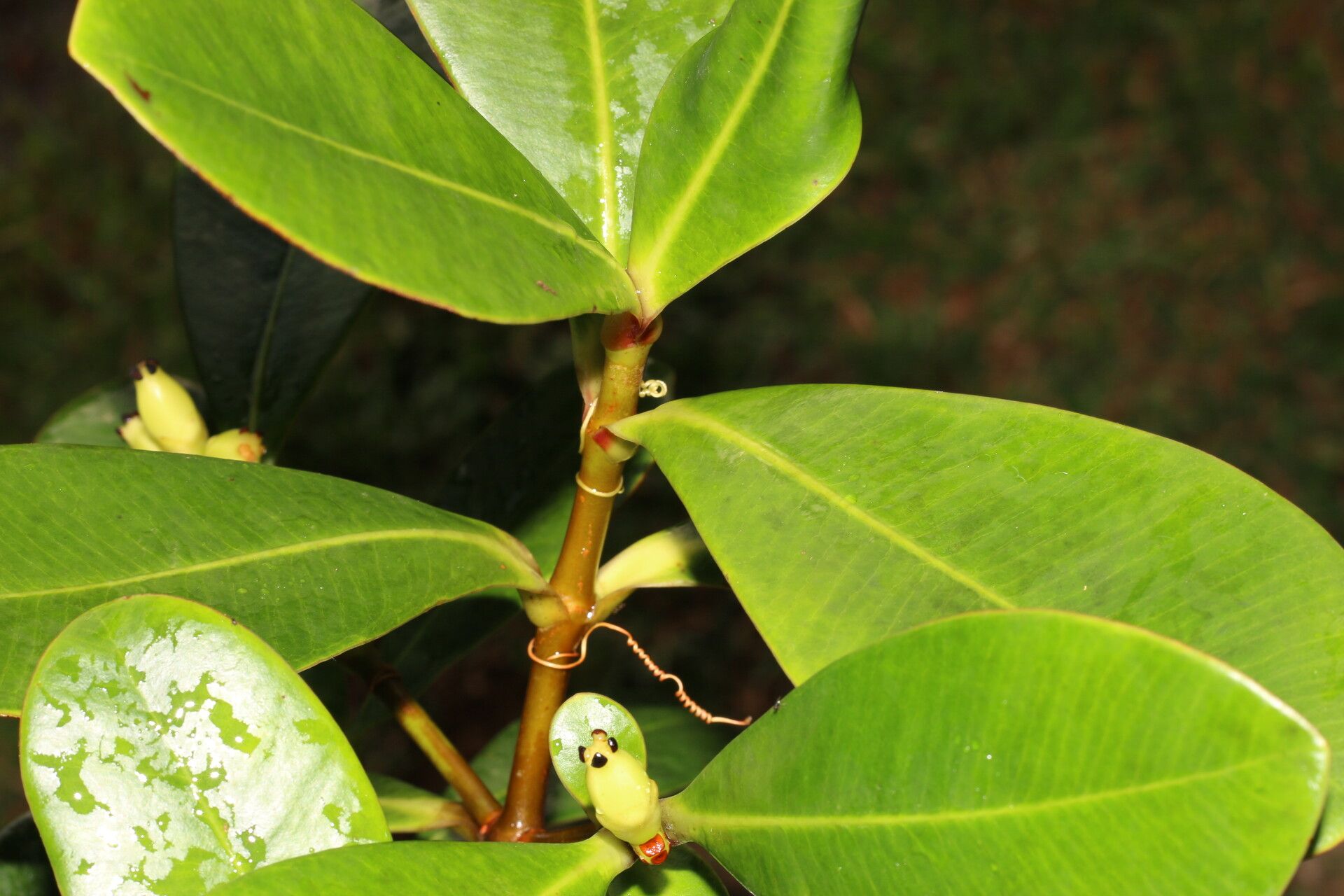
Propagating Clusia palmana: A Gardener’s Guide
Clusia palmana, also known as the Panama Rose, is a captivating evergreen shrub or small tree prized for its glossy, leathery leaves and striking, sometimes fragrant, flowers. Its popularity stems from its adaptability to various conditions, its relative ease of care (once established), and its potential for use as a bonsai or in container gardens. While relatively easy to maintain, successfully propagating Clusia palmana presents a unique set of challenges and rewards for the ambitious gardener. This guide explores different propagation methods, detailing their viability and providing practical advice for success.
Seed Germination:
Currently, there are no known reliable methods for seed germination propagation of Clusia palmana. While the plant does produce seeds, their germination rate is notoriously low, and consistent success has not been documented in the horticultural literature. Further research into specific germination requirements (e.g., temperature stratification, light intensity) might be needed to unlock the potential of this propagation method.
Cuttings:
Cuttings offer a far more reliable method for propagating Clusia palmana. This technique leverages the plant’s ability to readily root from stem sections.
Challenges: The main challenge lies in preventing rot before rooting occurs. Clusia cuttings are susceptible to fungal infections, especially in humid environments.
Practical Tips: Take semi-hardwood cuttings (partially mature stems) in late spring or early summer. Use a sharp, clean blade to prevent the spread of disease. Dip the cut end in rooting hormone to stimulate root development. Plant the cuttings in a well-draining rooting medium (e.g., a perlite and peat moss mix) and maintain a consistently moist but not waterlogged environment. Providing bottom heat can significantly improve success rates. Misting regularly helps maintain humidity without overwatering.
Rewards: Cuttings offer a relatively quick route to new plants, preserving the genetic characteristics of the parent plant. This method is ideal for producing multiple plants from a single mother plant.
Division:
Division is generally not a practical method for propagating Clusia palmana. The plant doesn’t naturally form easily separable crowns or rhizomes, making division difficult and potentially damaging to the parent plant.
Tissue Culture:
Tissue culture presents a potential avenue for large-scale propagation of Clusia palmana. This advanced technique allows for the rapid multiplication of plants from small tissue samples, under sterile conditions.
Challenges: Tissue culture is a highly specialized technique requiring specialized equipment, a sterile laboratory environment, and expert knowledge of plant tissue culture protocols. The cost and technical expertise required make it unsuitable for most home gardeners.
Practical Tips: This method is best left to professional nurseries or research institutions.
Rewards: Tissue culture offers the potential for mass production of genetically uniform plants, ideal for commercial propagation. It also allows for the preservation of rare or endangered Clusia palmana cultivars.
Conclusion:
Propagating Clusia palmana presents distinct challenges, with cuttings proving the most reliable method for the home gardener. While seed germination remains largely unexplored, and division is impractical, tissue culture offers a pathway for commercial-scale production. The rewards of successfully cultivating this stunning plant from a cutting, however, are undeniably satisfying. The patience, attention to detail, and eventual success in nurturing a new Panama Rose from a small cutting provide a unique sense of accomplishment that goes beyond the beauty of the plant itself. For aspiring propagators, don’t be discouraged by potential setbacks. The journey, even with its challenges, is a rewarding testament to the connection between gardener and plant. Embrace the learning process, experiment with different techniques, and be persistent – your efforts will ultimately be rewarded with the flourishing beauty of your propagated Clusia palmana.