
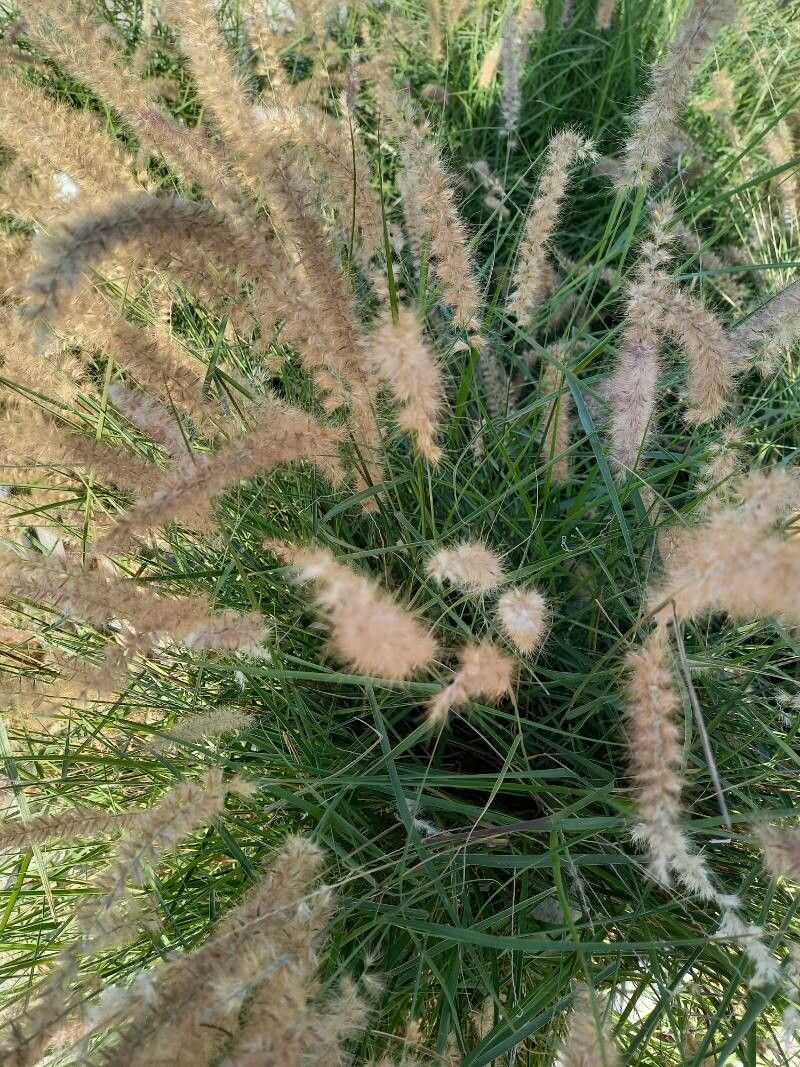
Propagating Cenchrus petiolaris: Challenges and Rewards of Cultivating Alkali Sacaton
Introduction:
Cenchrus petiolaris, commonly known as alkali sacaton, is a remarkable bunchgrass prized for its drought tolerance, deep root system, and ability to thrive in harsh alkaline conditions. Its adaptability makes it a valuable species for erosion control, revegetation projects, and even ornamental landscaping, particularly in arid and semi-arid regions. While its resilience in the wild is evident, propagating alkali sacaton can present unique challenges. Its popularity among gardeners specializing in native or drought-tolerant plants makes understanding its propagation methods crucial.
Seed Germination:
Seed germination for Cenchrus petiolaris is viable, but presents significant challenges. The hard seed coat often inhibits water uptake, leading to low germination rates. Pre-treatment is crucial to overcome this dormancy.
- Challenges: Low germination rates, hard seed coat, inconsistent germination.
- Practical Tips: Scarification (mechanically breaking or weakening the seed coat) by nicking the seed coat with a file or sandpaper is recommended. Soaking seeds in concentrated sulfuric acid for a short duration (carefully follow specific instructions as it is a corrosive substance) can also improve germination. Warm stratification (keeping seeds in moist conditions at temperatures around 20-25°C for several weeks) may further enhance germination success. Sowing should be done in a well-draining seed-starting mix, kept consistently moist but not waterlogged.
- Rewards: Seed propagation offers the potential for high genetic diversity, allowing for a wider range of adaptability within a population. It’s also a cost-effective method for large-scale propagation projects.
Cuttings:
Currently, there are no known reliable methods for propagating Cenchrus petiolaris from cuttings. The plant’s physiology doesn’t readily lend itself to vegetative propagation through stem or root cuttings.
Division:
Division is a viable propagation method for Cenchrus petiolaris, particularly for established clumps.
- Challenges: Requires mature, well-established plants; disrupting the root system can stress the plant; division must be done carefully to ensure each section retains sufficient root mass.
- Practical Tips: Division is best performed in early spring or fall when the plant is actively growing but temperatures are mild. Dig up the entire clump carefully and divide it into sections, each with numerous crowns and a good root system. Replant immediately in well-prepared soil, ensuring adequate watering initially.
- Rewards: Relatively high success rate compared to other methods; quicker establishment than from seed. This method preserves the existing genetic characteristics of the mother plant.
Tissue Culture:
Tissue culture techniques for Cenchrus petiolaris are not widely established or readily available for home propagators. This method requires specialized equipment, a sterile environment, and expertise. While theoretically possible, it is not a practical method for the average gardener.
Conclusion:
Propagating Cenchrus petiolaris presents unique challenges, with seed germination requiring pre-treatment to overcome dormancy, and division being the most reliable method for home gardeners. Cuttings and tissue culture are currently not viable options. However, the rewards are significant. Successfully propagating this hardy and beautiful bunchgrass offers immense satisfaction, especially when considering the difficulties involved. The achievement of a thriving alkali sacaton from seed, defying the odds of low germination, is especially rewarding. For aspiring propagators, patience, careful technique, and attention to detail are key to success – and the journey itself becomes a valuable learning experience. Remember to prioritize sourcing seeds or plants from reputable sources to ensure genetic integrity and adaptability to your specific climate.