
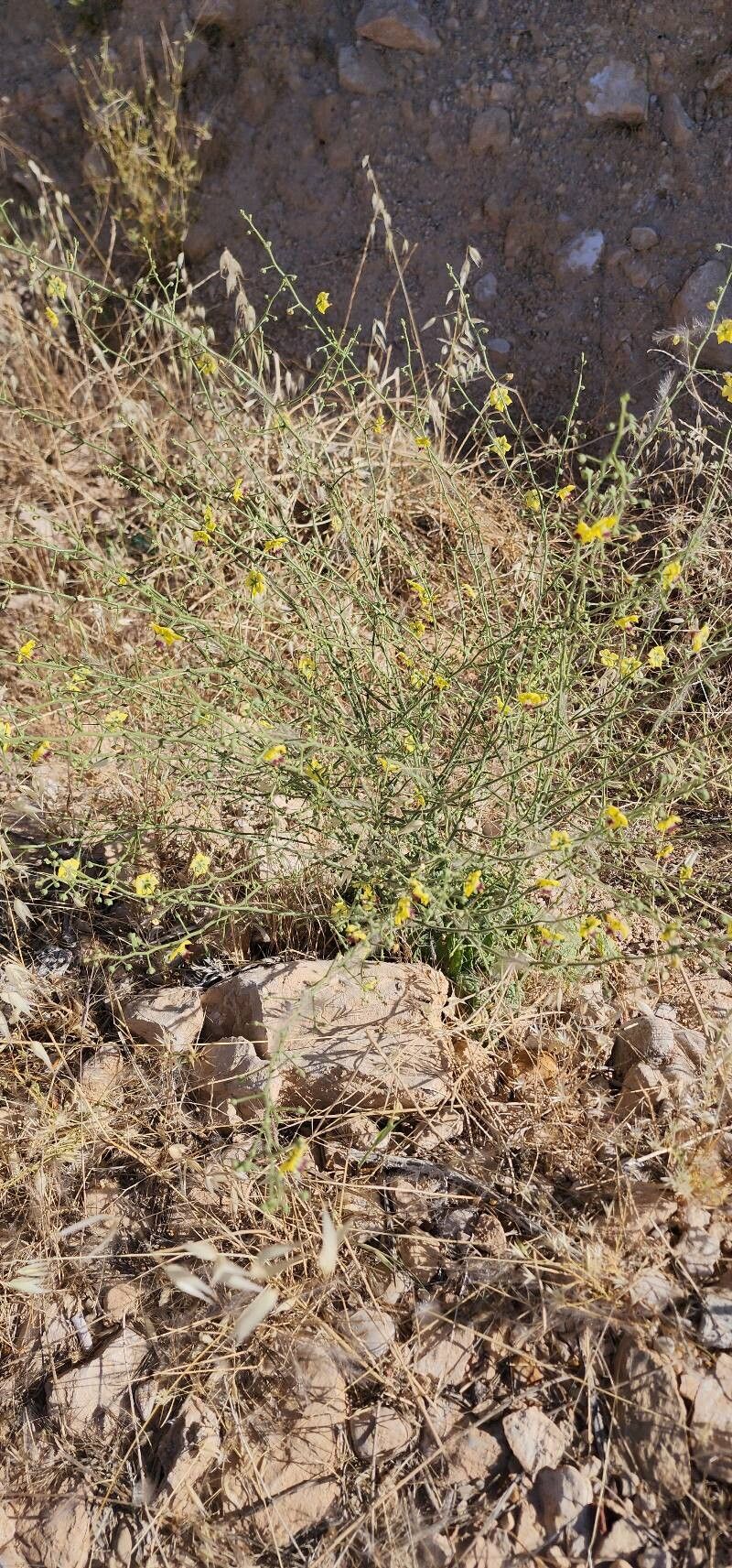
Propagating Verbascum farsistanicum: A Gardener’s Guide
Introduction:
Verbascum farsistanicum, also known as Persian mullein, is a striking biennial or short-lived perennial prized for its tall, stately flower spikes adorned with vibrant, often yellow, flowers. Its architectural form and relatively low maintenance requirements have made it a popular choice among gardeners who appreciate bold statements in their borders. While relatively easy to grow from seed, the specific propagation of Verbascum farsistanicum presents some unique challenges that will be explored in this article. Its relatively short lifespan contributes to the need for effective propagation techniques to maintain this beautiful plant in the garden.
Seed Germination:
Seed germination is a viable method for propagating Verbascum farsistanicum. However, it presents challenges. The seeds are very fine and require light for germination, meaning they shouldn’t be sown too deeply. Furthermore, germination rates can be inconsistent.
Challenges: Low germination rate, need for consistent moisture without overwatering (leading to damping off), competition from weeds.
Practical Tips: Sow seeds directly outdoors in a well-drained seedbed in spring or autumn. Lightly cover the seeds with fine compost or vermiculite. Maintain consistent moisture until germination. Consider using a seed tray with germination mix indoors before transplanting seedlings once they have a few true leaves. No stratification is generally required.
Rewards: High genetic diversity amongst seedlings, potential for large-scale propagation, relatively inexpensive method.
Cuttings:
Currently, there are no known reliable methods for propagation of Verbascum farsistanicum from cuttings. Mullein plants generally do not root easily from cuttings.
Division:
Division is a viable, though somewhat limited, method for propagating Verbascum farsistanicum. This is best attempted in spring or autumn when the plant is actively growing or dormant, respectively.
Challenges: Mature plants may not readily divide, limited number of propagules per parent plant, risk of damage to the parent plant.
Practical Tips: Carefully dig up the established plant and gently separate it into smaller sections, maintaining a good root system on each division. Replant immediately in well-prepared soil, ensuring adequate watering.
Rewards: Relatively simple technique, preserves the genetic characteristics of the parent plant.
Tissue Culture:
Tissue culture is a potential, but generally not a practical method for home gardeners propagating Verbascum farsistanicum. It requires specialized equipment and sterile laboratory conditions.
Challenges: High technical skill and specialized equipment needed, potentially high cost.
Practical Tips: This method is better suited for large-scale commercial propagation.
Rewards: Potential for rapid and large-scale propagation, disease-free stock.
Conclusion:
Propagating Verbascum farsistanicum presents a range of challenges and rewards depending upon the chosen method. Seed germination offers the greatest potential for large-scale propagation but demands patience and attention to detail. Division is a simpler, though less efficient method suitable for smaller-scale propagation of specific, desired plants. Cuttings and tissue culture are generally not viable methods for the home gardener. Successfully propagating this plant, however, brings a unique satisfaction. Overcoming the relative difficulties involved only enhances the pleasure derived from seeing these majestic spikes bloom, a testament to the gardener’s skill and dedication. For aspiring propagators, starting with seeds and supplementing with division of preferred plant variations is the most realistic approach to long-term cultivation of Persian mullein. Remember patience and persistence are key to success!