
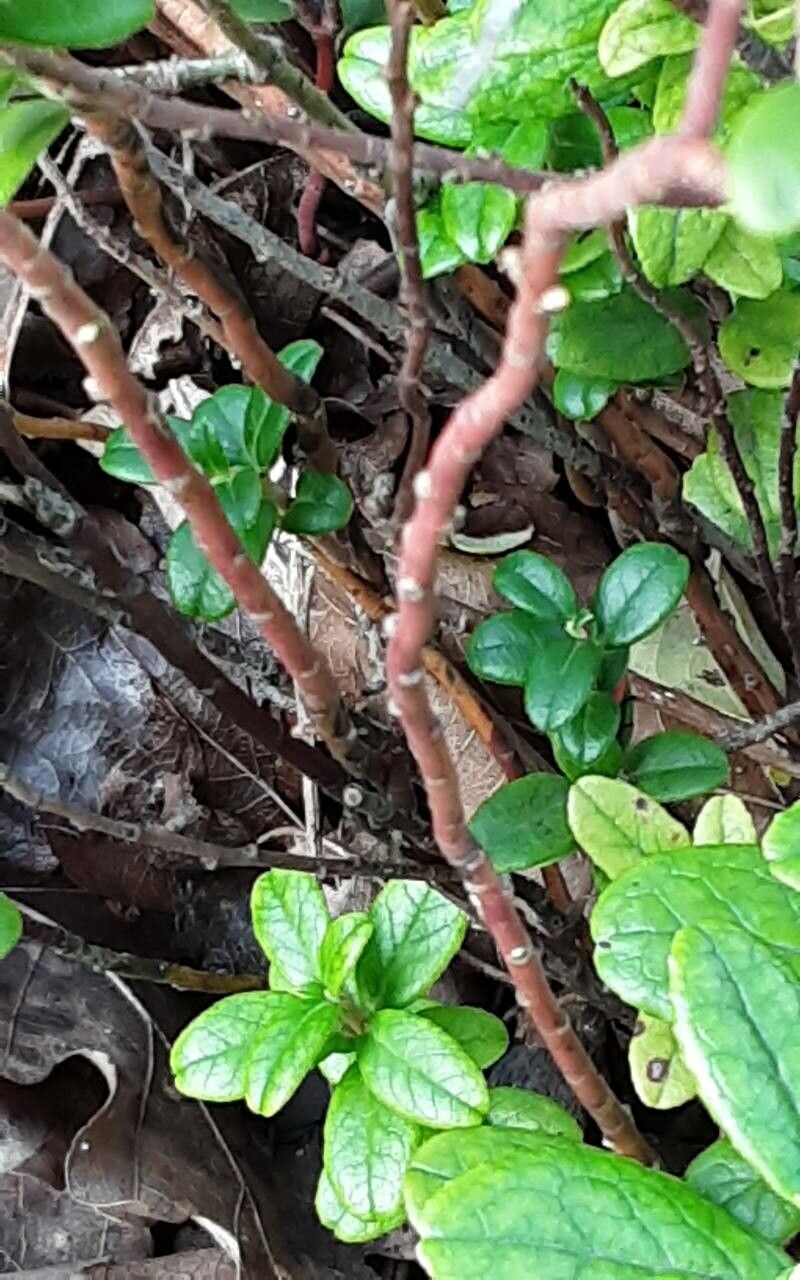
Propagating Cranberries: A Gardener’s Guide to Vaccinium macrocarpon
Introduction:
Vaccinium macrocarpon, commonly known as the cranberry, is a fascinating and commercially significant low-growing, evergreen shrub renowned for its tart, ruby-red berries. Beyond its culinary uses in sauces, juices, and even bread, cranberries hold a special place in the hearts of many gardeners, prized for their unique foliage and the satisfying harvest they offer. However, propagating cranberries presents unique challenges compared to many other garden plants. Their specific environmental needs and propagation difficulties make successful cultivation all the more rewarding.
Seed Germination:
Currently, there are no known reliable methods for seed germination propagation of Vaccinium macrocarpon. While cranberries do produce seeds, germination rates are exceptionally low and unpredictable, even under ideal laboratory conditions. The seeds require specific stratification periods and very precise control of conditions which are very challenging to duplicate outside of a controlled lab environment. Therefore, seed propagation is not a practical method for home gardeners.
Cuttings:
Cuttings are a more viable, albeit still challenging, method for cranberry propagation.
- Challenges: Cranberry cuttings are notoriously slow to root, often requiring specialized hormonal treatments and high humidity. The success rate is variable and depends heavily on the timing (preferably after the growing season) and the quality of the cutting material (semi-hardwood cuttings usually offer the best results). Fungal diseases can easily affect the cuttings if hygiene isn’t maintained.
- Practical Tips: Take 4-6 inch semi-hardwood cuttings in late summer or early fall. Dip the base in a rooting hormone solution, and plant them in a well drained, moist propagation mix maintained under high humidity (a propagation dome or plastic bag is beneficial). Consistent moisture and mild temperatures are key. Mist frequently to maintain humidity levels.
- Rewards: Successful rooting via cuttings allows for the preservation of desirable traits of the parent plant. Propagating multiple plants from a single mother plant is more efficient than other methods.
Division:
Division is a relatively successful method, especially for established cranberry plants.
- Challenges: Cranberries have a creeping, trailing growth habit. Carefully separating the plant into manageable sections requires some skill to avoid damaging the fragile roots. Each division needs to include sufficient root material and healthy growing points to thrive.
- Practical Tips: The best time for division is in early spring or late fall. Dig up the plant carefully, gently separating the root system into portions with several stems and plenty of roots. Replant immediately in well-prepared, acidic soil (pH 4.5-5.5).
- Rewards: Division offers a relatively quick and simple way to increase the number of cranberry plants, and it maintains the genetic characteristics of the parent plant.
Tissue Culture:
Tissue culture is the most reliable method for large-scale cranberry propagation and is primarily used by commercial growers.
- Challenges: This technique requires specialized equipment, a sterile environment, and a deep understanding of plant tissue culture techniques. It’s expensive and not feasible for the average home gardener.
- Practical Tips: This method is best left to professional nurseries and laboratories.
- Rewards: Tissue culture allows for rapid multiplication of desirable cranberry cultivars and the production of disease-free plants. It offers a high success rate and efficient propagation for large-scale commercial production.
Conclusion:
Propagating Vaccinium macrocarpon presents unique difficulties, largely due to its specific environmental and rooting requirements. While seed propagation is not practical, cuttings and division offer viable options for the dedicated home gardener, with division providing the most accessible route to success. Tissue culture remains the domain of commercial growers. The rewards, however—the satisfaction of nurturing these challenging plants and enjoying the fruits (or rather, berries!) of your labor—are undoubtedly worthwhile. Don’t be discouraged by the challenges; with patience, perseverance, and attention to detail, you can successfully propagate your own cranberry plants and experience the unique satisfaction of cultivating this remarkable plant. Remember to provide the right conditions – acidic soil, ample moisture, and good drainage – for optimal growth.