
Propagating Bredia hirsuta: A Gardener’s Guide to a Rare Beauty
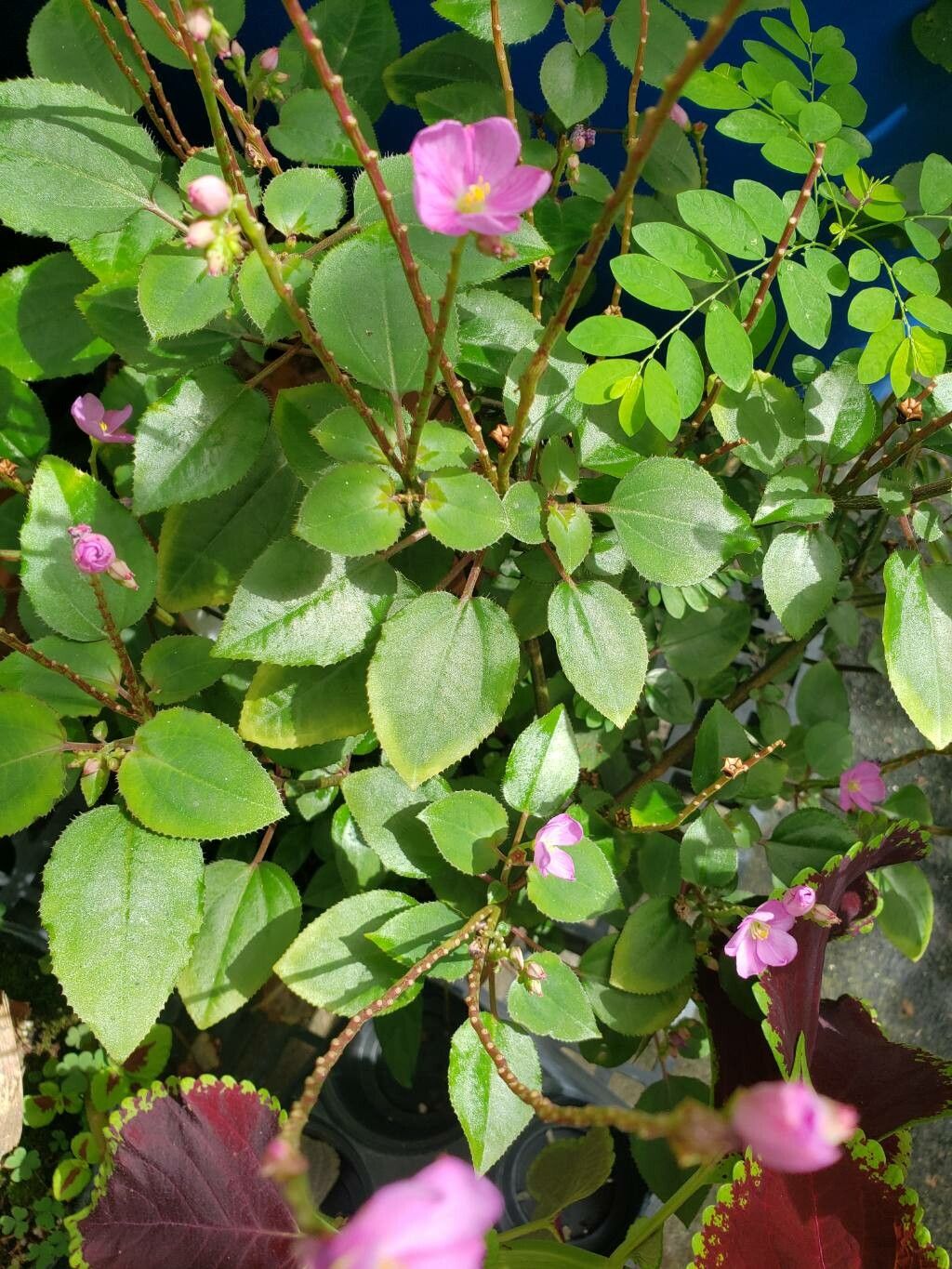
Bredia hirsuta, also known as the hairy Bredia, is a captivating shrub prized for its attractive, often reddish, stems and vibrant foliage. Its unique, often fuzzy texture and eye-catching flowers make it a sought-after addition to many gardens. However, its relative rarity contributes to its somewhat enigmatic nature, especially concerning its propagation. This article explores various methods for propagating Bredia hirsuta, outlining challenges and rewards for each.
Seed Germination:
Currently, there are no known reliable methods for seed germination propagation of Bredia hirsuta. Research on this species’ reproductive biology remains limited, and anecdotal evidence suggests that seed production might be inconsistent or the seeds may possess dormancy mechanisms that are yet to be understood. Further research is needed to determine if seed propagation is a viable option.
Cuttings:
Cuttings represent a potentially more successful method for propagating Bredia hirsuta.
Challenges: Successfully rooting cuttings can be challenging. The success rate may be impacted by factors like the age and health of the parent plant, the timing of cutting collection, and the environmental conditions provided during rooting. The hairy stems might also hinder the rooting process, potentially impeding water and nutrient uptake.
Practical Tips: Semi-hardwood cuttings taken in late summer or early autumn are recommended. Use a sharp, clean blade to take cuttings about 4-6 inches long, removing lower leaves to prevent rot. Dip the cut ends in a rooting hormone powder before planting them in a well-draining propagation mix (e.g., perlite and peat moss blend). Maintain consistently moist but not waterlogged conditions, and provide a humid environment (e.g., using a humidity dome or plastic bag). Bottom heat can significantly improve success rates.
Rewards: Cuttings offer a relatively straightforward method for producing genetically identical plants, ensuring consistency in characteristics. It also allows for rapid multiplication of desirable cultivars.
Division:
Division is feasible for Bredia hirsuta, specifically for larger, established plants.
Challenges: Care must be taken not to damage the root system during division. Improper separation can lead to plant stress and reduced survival rates. The success rate can also depend on the plant’s overall health and the time of year the division is undertaken.
Practical Tips: Ideally, division should be performed in spring or early summer, after the threat of frost has passed. Carefully dig up the plant and gently separate it into smaller portions, ensuring each section has healthy roots and shoots. Replant the divisions immediately and water thoroughly.
Rewards: Division is a relatively quick and efficient method, offering an immediate increase in plant numbers.
Tissue Culture:
Tissue culture offers the potential for large-scale propagation of Bredia hirsuta.
Challenges: Tissue culture requires specialized equipment, skill, and a sterile environment. Establishing a suitable protocol for Bredia hirsuta may require experimentation to determine optimal media formulations and growth regulators. The high initial investment might not be feasible for home propagators.
Practical Tips: Contact a professional tissue culture laboratory or research institution with experience in propagating similar species. They can assist in developing a propagation protocol specific to Bredia hirsuta.
Rewards: Tissue culture allows for rapid and large-scale propagation of disease-free plants, providing a potential pathway for expanding the availability of this relatively rare species.
Conclusion:
Propagating Bredia hirsuta presents unique challenges, primarily due to the limited existing knowledge on its reproductive biology and propagation techniques. While seed propagation remains unproven, cuttings offer a practical approach for home gardeners, demanding patience and careful attention to detail. Division is a viable method for established plants, while tissue culture represents a promising avenue for large-scale commercial propagation. The satisfaction of successfully cultivating this beautiful and somewhat elusive plant, however, is a reward in itself, making the effort worth the journey for passionate gardeners. Don’t be discouraged by initial setbacks – experimentation and persistence are key to mastering the propagation of Bredia hirsuta.