
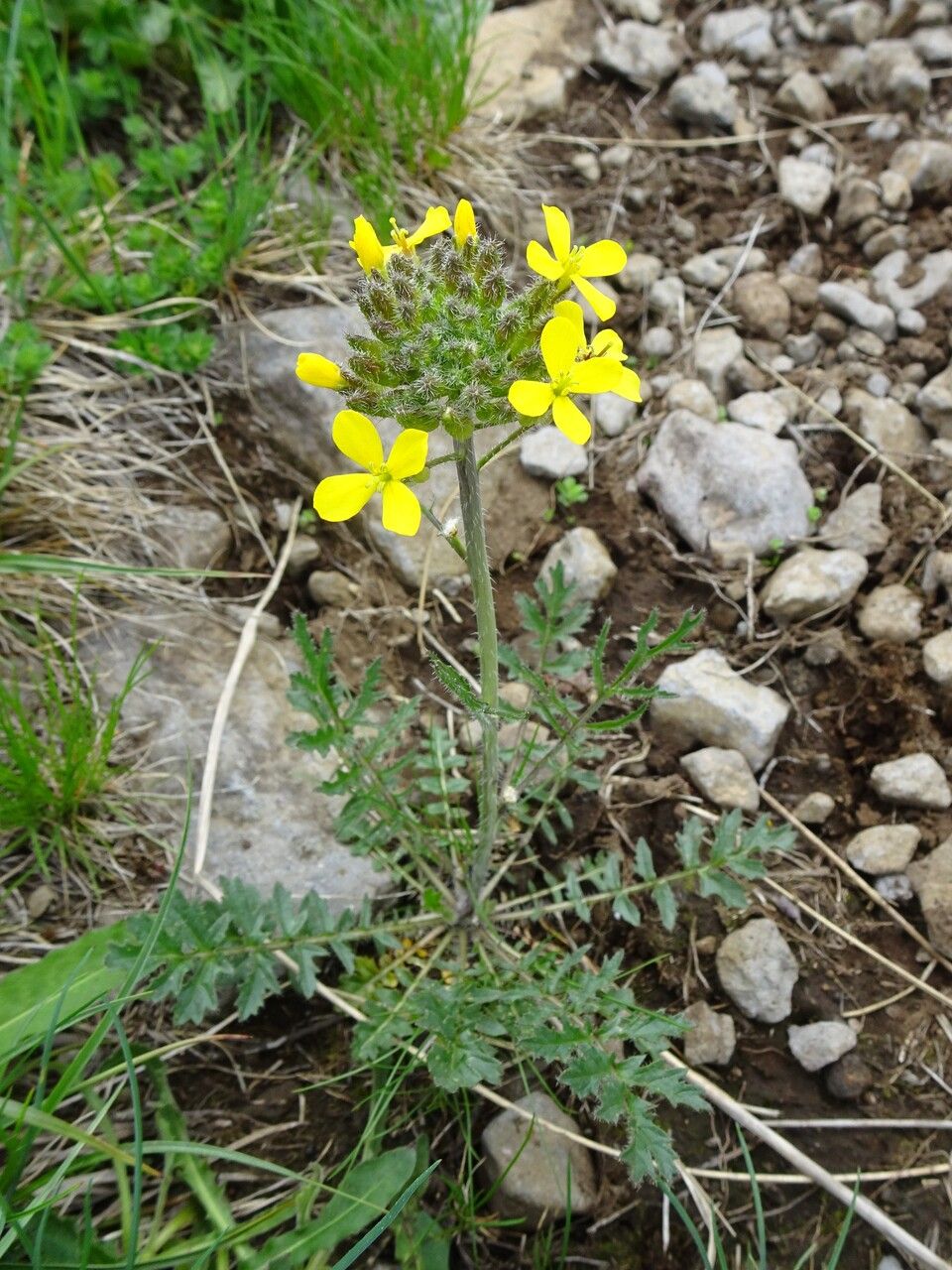
Propagating Austrian Rocket (Sisymbrium austriacum): A Gardener’s Challenge
Introduction:
Sisymbrium austriacum, commonly known as Austrian Rocket, is a charming, hardy biennial or short-lived perennial belonging to the Brassicaceae family. Characterized by its upright, branching habit, deeply lobed leaves, and small yellow flowers followed by long, slender seed pods, it possesses a certain rustic beauty that appeals to many gardeners. While not a widely cultivated ornamental, its tolerance to poor soils and ability to thrive in sunny, dry conditions makes it a valuable addition to naturalistic gardens or wildflower meadows. Its propagation, however, presents some unique challenges, making successful cultivation a rewarding endeavor.
Seed Germination:
Seed germination is a viable method for propagating Sisymbrium austriacum, although it can be unpredictable.
Challenges: Seeds of Sisymbrium austriacum exhibit dormancy. Germination rates are often low, and the process can be slow and inconsistent.
Practical Tips: Scarification (lightly nicking the seed coat) may improve germination rates. Stratification (a period of cold, moist storage) for several weeks prior to sowing is beneficial in mimicking natural winter conditions and breaking dormancy. Sowing directly outdoors in autumn, allowing for natural stratification, is often more successful than spring sowing. Use a well-draining seed-starting mix and keep the soil consistently moist, but not waterlogged.
Rewards: Seed propagation offers the greatest potential for genetic diversity, resulting in a wider range of plants, and allows for large-scale propagation if germination is successful.
Cuttings:
Currently, there are no known reliable methods for propagation of Sisymbrium austriacum from cuttings. The plant’s physiological characteristics likely hinder successful rooting from stem or leaf cuttings.
Division:
Division is not a practical method for propagating Sisymbrium austriacum. As a relatively short-lived plant with a taproot system, dividing the root ball is unlikely to yield viable offspring. It would likely damage the plant severely, resulting in the death of both the parent plant and the would-be divisions.
Tissue Culture:
Tissue culture propagation of Sisymbrium austriacum is largely unexplored. While theoretically possible, this method requires specialized equipment, aseptic techniques, and expertise in plant tissue culture, making it impractical for the average gardener.
Conclusion:
Propagating Sisymbrium austriacum presents a unique set of challenges. While seed germination offers the best chance of success, it requires patience, careful attention to detail, and a bit of luck. Other methods, including cuttings and division, appear unviable. The rewards, however, are well worth the effort. Successfully cultivating this charming plant from seed offers a deep sense of accomplishment, a testament to the gardener’s perseverance and understanding of the plant’s specific needs. The successful germination of even a few seeds will richly reward the patient gardener with a display of delicate yellow flowers and a valuable contribution to a wildflower meadow or naturalistic garden. To aspiring propagators, we encourage experimentation with different seed stratification methods and direct autumn sowing for the greatest chances of success. Don’t be discouraged by initial setbacks – the joy of nurturing this resilient plant from seed to maturity is an experience worth striving for.