
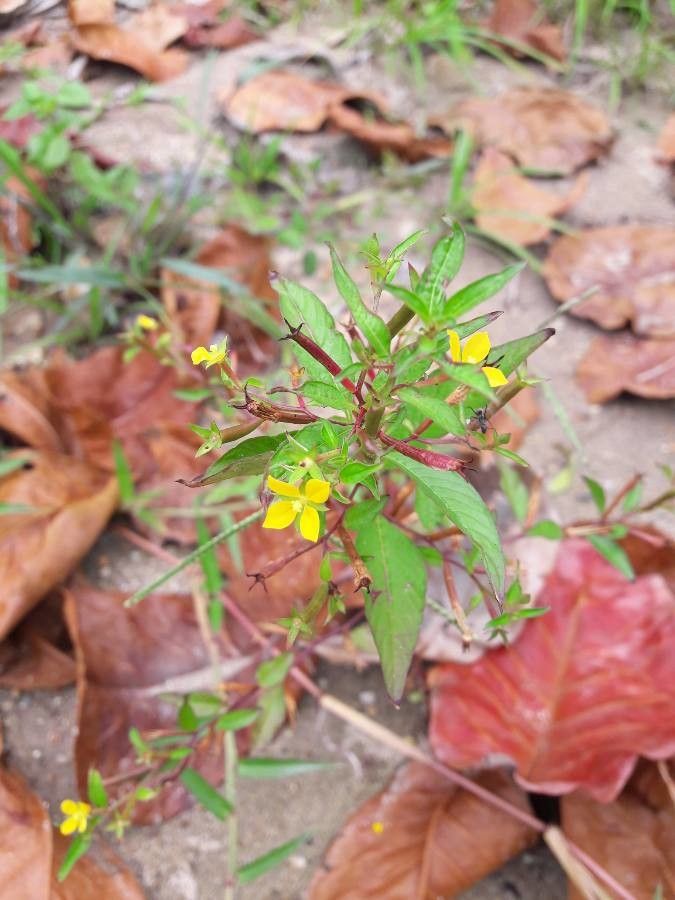
Propagating Ludwigia suffruticosa: A Guide to Growing the Primrose Willow
Ludwigia suffruticosa, commonly known as Primrose Willow, is a captivating aquatic and semi-aquatic plant prized for its vibrant, often reddish-orange stems and lanceolate leaves. Its adaptability and striking appearance make it a popular choice for aquariums, ponds, and even bog gardens. Its relative ease of propagation, despite some challenges, contributes to its widespread appeal among hobbyists and professional horticulturists alike. This article explores various propagation methods for Ludwigia suffruticosa, detailing the challenges and rewards associated with each.
Seed Germination:
Currently, there are no known reliable methods for seed germination propagation of Ludwigia suffruticosa. While the plant does produce seeds, their germination rate is reportedly very low, and achieving successful germination under controlled conditions remains elusive. Further research into specific germination requirements is necessary before this method can be considered viable for widespread use.
Cuttings:
Cuttings represent the most readily successful method for propagating Ludwigia suffruticosa.
Challenges: While relatively straightforward, success depends on factors like the age and health of the parent plant, the timing of the cutting, and the provision of suitable conditions. Rotting can be a concern if the cutting isn’t properly treated.
Practical Tips: Take stem cuttings of approximately 5-10cm in length, removing lower leaves to prevent rot. Plant directly into moist substrate (e.g., a mix of peat and perlite, or directly into aquatic soil) or submerge the base in water. Ensure bright, indirect light. Rooting hormones can increase success rates. Regular misting or maintaining consistently high humidity can improve survival.
- Rewards: Cuttings offer a quick and efficient way to multiply existing plants, preserving the genetic characteristics of the parent. This method is easily scalable for both small-scale home propagation and larger-scale cultivation.
Division:
Division is also a viable method, particularly for established, larger plants.
Challenges: This method requires a mature plant with sufficient rhizomes or runners. Care must be taken to avoid damaging the root system during the division process.
Practical Tips: Gently remove the plant from its container or substrate. Carefully separate the plant into several smaller divisions, ensuring each section has a healthy root system and several stems. Replant each division into its own container or location, ensuring appropriate substrate and watering.
- Rewards: Division is relatively quick and increases the number of plants efficiently. It’s a gentler method compared to taking cuttings, minimizing stress on the parent plant.
Tissue Culture:
Tissue culture offers a potential method for large-scale, highly controlled propagation of Ludwigia suffruticosa.
Challenges: This is the most technically demanding method, requiring specialized equipment, sterile conditions, and a significant understanding of plant tissue culture techniques. Developing the optimal nutrient and hormone media is crucial for successful propagation.
Practical Tips: Sterile techniques are paramount. Explant selection is important (young, healthy shoots are ideal). The process requires careful handling and precise control of environmental factors such as temperature, light, and humidity.
- Rewards: Tissue culture enables rapid, mass propagation of genetically uniform plants, free from diseases. This method is particularly valuable for preserving rare or desirable cultivars and for commercial applications.
Conclusion:
Propagating Ludwigia suffruticosa presents unique challenges and rewards depending on the chosen method. Cuttings offer the most readily accessible and successful approach for hobbyists. Division is a viable alternative for larger, established plants. While seed propagation and tissue culture remain less explored avenues, they present exciting possibilities for future research and large-scale production. The satisfaction of successfully cultivating this beautiful plant, despite the hurdles encountered, is a testament to the persistence and dedication of the gardener. For aspiring propagators, patience, attention to detail, and careful observation are key to achieving success. Don’t be discouraged by setbacks; the vibrant reward of a thriving Primrose Willow is well worth the effort.