
Propagating Echinocereus rayonesensis: A Gardener’s Guide
Introduction:
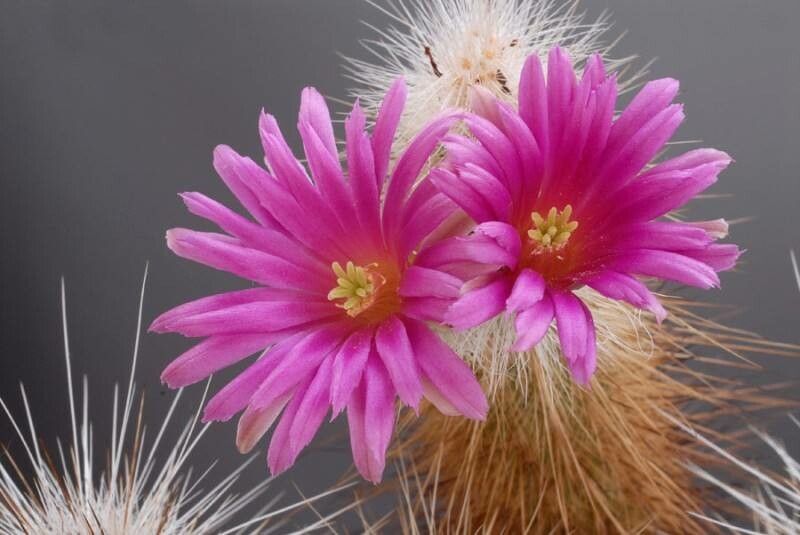
Echinocereus rayonesensis, sometimes called the Rayones Hedgehog Cactus, is a captivating species prized for its striking beauty and relatively compact size. This Mexican native boasts vibrant, often reddish-pink flowers in contrast to its spiny, cylindrical stems. Its popularity among cactus enthusiasts stems from its attractive appearance and, despite its challenging propagation, the sense of accomplishment that comes with successful cultivation. The relatively rare nature of this species makes its propagation particularly rewarding, contributing to the preservation of its genetic diversity. However, unlike some easily propagated cacti, Echinocereus rayonesensis presents unique hurdles for propagation through various methods.
Seed Germination:
Seed germination is a viable, albeit challenging, method for propagating Echinocereus rayonesensis. The primary challenge lies in the notoriously low germination rate observed in many Echinocereus species, including this one. Seeds often require specific conditions to break dormancy.
Challenges: Low germination rates, susceptibility to fungal diseases in damp conditions, and the need for precise temperature and humidity control.
Practical Tips:
- Stratification: While not strictly required, a brief period of cold stratification (4-6 weeks at 3-5°C/37-41°F) may improve germination rates by mimicking natural winter conditions.
- Sowing Technique: Sow seeds on a well-draining seed-starting mix, barely covering them with fine grit. Maintain consistent, yet moderate, moisture using a bottom watering technique to avoid damping-off.
- Temperature and Light: A warm (20-25°C/68-77°F) and brightly lit (but not direct sunlight) environment is crucial. A propagator with humidity control is beneficial.
Rewards: High genetic diversity in the resulting seedlings, potential for large-scale propagation for conservation or distribution, and the satisfaction of nurturing these plants from seed.
Cuttings:
Propagating Echinocereus rayonesensis from cuttings is generally considered unreliable. This species doesn’t readily produce successful rooted offsets or stem cuttings like some other cactus genera.
Challenges: High failure rate due to rot and difficulty in rooting.
Practical Tips: There are no reliably successful tips for propagating this plant from cuttings. Even with the use of rooting hormones and carefully prepared substrates, the success rate remains exceptionally low.
Rewards: Minimal, given the low success rate.
Division:
Division, the separation of established clumps into individual plants, is also not a practical propagation method for Echinocereus rayonesensis. This species typically does not clump readily and attempts to divide the main stem often lead to plant death.
Challenges: High risk of damage to the parent plant and low survival rate of divided portions.
Practical Tips: Not applicable; division propagation is not recommended.
Rewards: Insignificant, due to the high likelihood of failure.
Tissue Culture:
Tissue culture offers the most promising, albeit technically demanding, approach to propagating Echinocereus rayonesensis. This method allows for the clonal multiplication of plants in a sterile environment, largely circumventing the challenges of seed germination and vegetative propagation.
Challenges: Requires specialized equipment, sterile techniques, and expertise in plant tissue culture methodologies. Developing the optimal growth media and sterilization protocols specifically for this species requires experimentation.
Practical Tips: Consult literature on cactus tissue culture, obtain sterile equipment such as a laminar flow hood, and practice aseptic techniques. Success will rely on meticulous attention to detail and repeated experimentation.
Rewards: High multiplication rate, rapid propagation of desirable genotypes, and preservation of disease-free plants.
Conclusion:
Propagating Echinocereus rayonesensis presents significant challenges across all methods. Seed germination, while feasible, boasts a low success rate that requires patience and precise technique. Cuttings and division are largely ineffective, while tissue culture presents a technologically advanced but potentially highly rewarding route. The rewards, however, are substantial: the successful propagation of this beautiful cactus contributes to its conservation, offers the satisfaction of overcoming significant horticultural challenges, and ultimately provides more opportunities to appreciate its unique beauty. For aspiring propagators, the journey may be demanding, but the triumphant bloom of a successfully cultivated Echinocereus rayonesensis, born of your efforts, is an immensely fulfilling experience. Therefore, perseverance and a willingness to experiment are key to achieving success with this fascinating plant.